
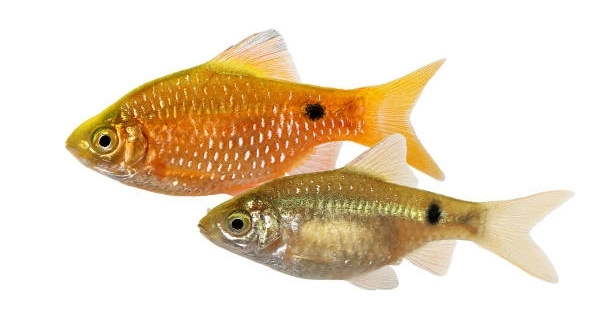
Caring for Rosy Barbs after they spawn requires attention to their health and environment. Proper steps help ensure both the parents and the fry remain healthy and stress-free during this delicate time. This article covers the best practices to follow after spawning.
After Rosy Barb spawning, it is essential to separate the parents from the eggs or fry to prevent predation. Maintaining clean water with stable parameters supports fry development. Providing appropriate nutrition and gentle handling minimizes stress and encourages healthy growth.
Following these guidelines will improve your success in raising strong and vibrant Rosy Barb fry.
Separating Parents from Fry
After your Rosy Barbs have spawned, the first important step is to separate the parents from the eggs or fry. Rosy Barbs are known to eat their own eggs if given the chance, so removing the adults helps protect the young. Use a separate breeding tank or carefully move the eggs to a different container. This prevents the eggs from being disturbed and increases their chances of survival.
Keeping the eggs in a quiet, calm environment is essential. Avoid sudden movements or loud noises around the tank to reduce stress. Proper lighting also helps maintain a natural day-night cycle, which supports healthy development.
By creating a safe space for the eggs or fry, you encourage a higher hatch rate and healthier fish. It also gives you more control over the water quality and feeding routine, which are crucial in these early stages.
Maintaining Water Quality
Maintaining clean and stable water conditions is crucial for the survival of Rosy Barb fry. Frequent water changes help remove waste and prevent the buildup of harmful substances like ammonia and nitrites. Use a gentle water flow to avoid disturbing the fragile fry, and always test water parameters regularly. Consistent temperature, pH, and hardness create an ideal environment for growth and reduce the risk of disease.
Avoid overcrowding the tank, as too many fry can lead to stress and competition for food. A filter with a sponge attachment works well to keep the water clean without harming the fry. Keeping the tank well-aerated ensures enough oxygen for all the young fish.
Maintaining optimal water conditions is a continuous task but is key to raising healthy Rosy Barb fry that thrive beyond their early days.
Feeding the Fry
Feeding Rosy Barb fry requires small, frequent meals with easy-to-digest food. Start with specialized fry food or finely crushed flakes.
At first, newly hatched fry rely on their yolk sac, so feeding can begin a few days after hatching. Use powdered fry food or infusoria, tiny aquatic organisms, to provide the necessary nutrients. Gradually introduce baby brine shrimp or microworms as the fry grow. Feed small amounts multiple times daily to avoid leftover food, which can pollute the water. Watch their eating habits closely to ensure all fry get enough nutrition without overfeeding.
Providing a balanced diet in these early days supports steady growth and strengthens the fry’s immune system. Patience and attention during feeding improve the chances of raising healthy, active fish.
Monitoring Fry Health
Monitor the fry daily for signs of illness or stress. Healthy fry swim actively and show normal coloration.
Look for any changes in behavior, such as lethargy, clamped fins, or rapid breathing. These can be early signs of poor water quality or disease. Remove any dead fry immediately to prevent contamination. Keeping the tank clean and stable minimizes health risks. Maintain proper water parameters and avoid sudden changes to reduce stress. If you notice persistent problems, consider consulting a specialist or adjusting care routines to improve conditions. Early detection and quick response are essential to keeping the fry healthy and growing strong.
Gradual Tank Introduction
Introduce the fry gradually to the main tank to prevent shock. Sudden changes can stress young fish.
Start by acclimating them slowly to the water temperature and chemistry of the new environment. This reduces the risk of illness and helps them adapt smoothly.
Increasing Tank Size
As the fry grow, they need more space to swim and develop properly. A larger tank reduces overcrowding and helps maintain water quality.
Moving the fry to a bigger tank allows for better growth and reduces competition for food. It also provides room for hiding spots, which helps reduce stress and aggression among the young fish.
Providing Hiding Spots
Hiding places are important for fry to feel safe. Use plants, small caves, or decorations.
These spots help reduce stress and give the fry a chance to rest away from stronger fish or bright lights.
FAQ
How soon can I feed Rosy Barb fry after they hatch?
Rosy Barb fry rely on their yolk sac for the first two to three days after hatching. Once the yolk sac is absorbed, you can start feeding them small amounts of powdered fry food or infusoria. This timing ensures they get enough nutrients without stressing their still-developing digestive system.
What is the best food for Rosy Barb fry?
The best food for fry includes finely crushed flakes, powdered fry food, and live foods like baby brine shrimp or microworms. These foods are small enough for the fry to eat and provide the necessary nutrients for healthy growth. Feeding multiple small meals per day helps keep their energy levels stable.
How often should I change the water after spawning?
Frequent water changes are important. Changing about 10-20% of the water every day or every other day helps keep water clean without stressing the fry. Always use dechlorinated water at the same temperature to avoid shock.
Can I keep the parents with the fry?
It’s not recommended. Rosy Barbs may eat their eggs or fry if left together. Separating the parents right after spawning prevents predation and improves fry survival rates.
What water temperature is best for Rosy Barb fry?
A stable temperature around 75-78°F (24-26°C) is ideal. Avoid sudden temperature changes, as fry are sensitive and can become stressed or sick if conditions fluctuate.
How do I know if the fry are healthy?
Healthy fry swim actively, have clear eyes, and show normal coloration. Watch for signs like lethargy, abnormal swimming, or faded colors, which can indicate stress or illness. Regular observation helps catch problems early.
What tank size is suitable for raising fry?
Start with a small breeding tank, about 10 gallons, for easy monitoring and care. As fry grow, move them to larger tanks (20 gallons or more) to prevent overcrowding and ensure enough swimming space.
Do I need a filter in the fry tank?
Yes, but it should be gentle. Use a sponge filter or a filter with a pre-filter sponge to avoid sucking in fry. Good filtration maintains water quality without harming the young fish.
How long does it take for Rosy Barb fry to become free-swimming?
Rosy Barb fry usually become free-swimming about three days after hatching, once they absorb the yolk sac. At this stage, you can start feeding them small, nutritious food.
Can I use tap water for water changes?
Tap water must be treated to remove chlorine and chloramines before use. Use a water conditioner to make it safe for fry. Also, make sure the temperature matches the tank water to avoid shock.
Is it necessary to add plants in the fry tank?
Live plants provide hiding spots and improve water quality by absorbing nitrates. They also reduce stress for fry by giving them places to hide from light and movement.
What should I do if some fry die?
Remove dead fry quickly to prevent water contamination. Losses can happen, especially in the early days, but good care reduces deaths. Focus on maintaining clean water and proper feeding.
When can I start feeding adult food to the fry?
After about 4 to 6 weeks, fry can gradually be introduced to crushed adult flakes or pellets. Continue offering smaller foods alongside until they fully adjust to adult diet.
How important is lighting for fry development?
Moderate lighting helps maintain a natural day-night cycle. Too much light can stress fry, while too little may affect plant growth and fish activity. Aim for around 10-12 hours of light per day.
Can overcrowding cause problems for Rosy Barb fry?
Yes, overcrowding increases stress, competition for food, and waste buildup, leading to poor health and slower growth. Keep fry numbers appropriate for tank size and increase tank space as they grow.
Final Thoughts
Taking care of Rosy Barb fry after spawning takes patience and attention to detail. Separating the parents from the eggs or fry is one of the most important steps to ensure the young fish have a chance to survive. Clean water and stable conditions also play a major role in their healthy growth. By maintaining proper water quality and avoiding sudden changes, you reduce stress and the risk of disease. It may feel like a lot to manage at first, but following these steps carefully makes a big difference in the health of the fry.
Feeding the fry well is another key factor. Starting with small, easy-to-digest foods like powdered fry food or infusoria helps the young fish get the nutrition they need. As they grow, you can introduce live foods like baby brine shrimp to boost their development. Feeding often in small amounts prevents leftover food from polluting the water, which can harm the fry. Watching how the fry eat and grow helps you adjust feeding as needed, making sure none of them go hungry.
Finally, giving the fry enough space and a safe environment helps them thrive. Gradually moving them to larger tanks prevents overcrowding and gives them room to swim freely. Providing hiding spots like plants or small caves reduces stress and helps the fry feel secure. Regularly monitoring their health and behavior lets you catch any problems early. With careful care and patience, your Rosy Barb fry can grow strong and healthy, becoming vibrant adult fish. This process takes time, but the reward of seeing healthy fry develop is worth every effort.

Hello,
If you enjoy the content that we create, please consider saying a "Thank You!" by leaving a tip.
Every little bit helps us continue crafting quality advice that supports the health, happiness, and well-being of pets around the world, for pets of all shapes, sizes, and species.
We really appreciate the kindness and support that you show us!