
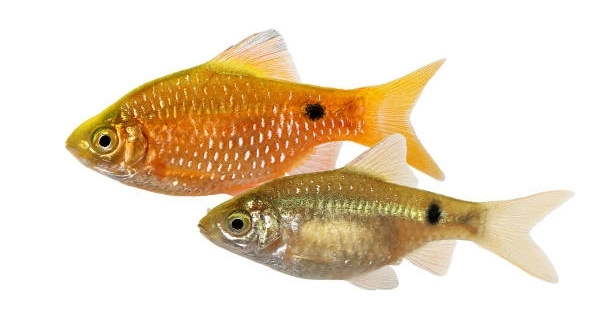
Rosy barbs are colorful freshwater fish that many enjoy keeping in home aquariums. Their behavior after eating is subtle but interesting, showing how they manage energy and digestion. Understanding these habits can help keep them healthy and thriving.
After eating, rosy barbs typically reduce their activity and seek calm areas within the tank. This behavior supports digestion by conserving energy and minimizing stress, which is crucial for their overall well-being and proper nutrient absorption.
Observing these post-meal habits can reveal more about their natural instincts and improve how you care for them in captivity.
How Rosy Barbs Digest Their Food
After eating, rosy barbs focus on digesting their food efficiently. Their digestive system breaks down nutrients slowly, which requires them to stay calm and avoid excessive swimming. You might notice they hover near plants or decorations, which offers a peaceful spot to rest. This quiet period allows their bodies to convert food into energy effectively. It also helps reduce stress, which is important because stress can slow digestion or cause health problems. In an aquarium setting, maintaining stable water conditions supports this digestion process. Keeping the tank clean and at the right temperature ensures rosy barbs feel comfortable during their rest. Overfeeding can disrupt digestion, so feeding small amounts several times a day is better than one large meal. Observing these behaviors can guide better care practices and promote longer, healthier lives for your rosy barbs.
Proper digestion is key to their growth and vibrant colors.
Post-meal calmness reduces the chance of illness by supporting digestion and overall health in rosy barbs, making feeding times essential moments to observe their well-being.
Activity Levels After Eating
Rosy barbs generally slow down their activity after eating to conserve energy. This reduced movement allows their digestive system to work without interruption. You may see them resting or swimming slowly for a while, which is completely normal. This behavior is a natural part of their routine.
Slower activity helps them use energy for digestion rather than unnecessary movement. During this time, they avoid chasing other fish or exploring too much, which protects their health. After a rest period, their activity gradually returns to normal as digestion completes. It is important not to disturb them during this time by sudden changes or loud noises. Feeding in a quiet, calm environment encourages better digestion and less stress. Watching how they behave after eating helps you understand their needs and adjust care accordingly. Consistent feeding habits paired with a peaceful tank environment support healthy digestion and natural activity cycles in rosy barbs.
Signs of Healthy Digestion in Rosy Barbs
Healthy digestion in rosy barbs shows through steady behavior and clear eyes. They swim calmly and do not appear bloated or overly lethargic. Their colors remain bright, which indicates good nutrient absorption and overall health.
When digestion is going well, rosy barbs will have regular feeding habits. They eat their food promptly without spitting it out. Their waste should be firm and consistent, not loose or stringy. These signs indicate the digestive tract is functioning properly. If you notice any changes in behavior or appearance, it could be a sign of digestive distress or illness. Keeping water quality high and feeding balanced diets helps maintain these healthy digestion signs.
Consistent observation of these behaviors allows you to catch potential health issues early. Adjusting diet or tank conditions can prevent long-term problems.
Impact of Tank Environment on Post-Meal Behavior
The tank environment plays a key role in how rosy barbs behave after eating. Clean, well-maintained tanks with stable temperatures reduce stress, allowing fish to rest and digest properly. Poor conditions can cause agitation or illness, disrupting digestion.
Water temperature affects metabolic rate, which influences how quickly food is processed. Ideal temperatures for rosy barbs range between 22°C and 26°C (72°F–79°F). Sudden temperature shifts can shock them, causing stress and affecting digestion negatively. Proper filtration and regular water changes remove waste and toxins, creating a healthier space for resting after meals. Providing hiding spots like plants or decorations gives rosy barbs comfortable areas to settle during digestion. Overall, maintaining optimal tank conditions supports better post-meal behavior and long-term health in rosy barbs.
Common Post-Feeding Behaviors
Rosy barbs often swim slowly or hover near the bottom after eating. This resting behavior helps them focus energy on digestion.
They may also seek shelter among plants or decorations, creating a calm environment needed for proper nutrient processing.
Effects of Overfeeding
Overfeeding can cause sluggish behavior and bloating in rosy barbs. Excess food overwhelms their digestive system, leading to discomfort and potential health issues.
It may also reduce water quality as leftover food decomposes, stressing the fish further and increasing the risk of illness.
Best Feeding Practices
Feeding small amounts two to three times daily promotes healthy digestion. This mimics their natural eating habits and prevents overeating.
Use high-quality food that meets their nutritional needs, avoiding fillers that are hard to digest.
Monitoring Behavior
Regularly watch how your rosy barbs behave after meals. Changes can signal health or tank condition issues that need attention.
FAQ
Why do rosy barbs swim slowly after eating?
Swimming slowly after eating helps rosy barbs conserve energy and focus on digestion. Their bodies need rest to break down food properly. Excessive movement can interfere with this process, so they naturally reduce activity to support nutrient absorption and overall health.
Is it normal for rosy barbs to hide after eating?
Yes, hiding or staying close to plants and decorations after meals is common. These quiet spots reduce stress and create a calm environment, which aids digestion. It’s a natural behavior that helps them feel safe while their bodies process food.
How long do rosy barbs rest after eating?
Rest periods usually last between 30 minutes to a few hours, depending on the amount and type of food consumed. After digestion is mostly complete, they return to normal swimming activity. This rest time supports efficient energy use and prevents stress.
What signs show my rosy barb is not digesting well?
Signs of poor digestion include bloating, loss of appetite, lethargy, and unusual swimming patterns. You might also see stringy or loose waste. These symptoms can signal overfeeding, illness, or water quality issues. Prompt attention is important to avoid worsening health.
Can water temperature affect digestion in rosy barbs?
Yes, water temperature directly affects their metabolism and digestion speed. Ideal temperatures between 22°C and 26°C (72°F–79°F) promote healthy digestion. Too cold or too warm water can slow digestion or cause stress, leading to health problems.
How does overfeeding impact rosy barbs?
Overfeeding overwhelms the digestive system, causing bloating and discomfort. Excess food can also pollute the water, leading to poor tank conditions that stress fish and increase disease risk. Feeding small, measured amounts helps prevent these issues.
What is the best feeding schedule for rosy barbs?
Feeding two to three times daily with small portions is best. This mimics their natural eating habits and allows their digestive systems to process food efficiently. Avoid large meals that can cause digestive strain or water pollution.
Should I change the tank environment to help digestion?
Maintaining stable, clean tank conditions supports healthy digestion. Proper filtration, regular water changes, and a consistent temperature help reduce stress and create an ideal environment for post-meal rest. Adding plants or decorations offers secure resting places.
What foods are easiest for rosy barbs to digest?
High-quality flakes, pellets, and occasional live or frozen foods like brine shrimp or bloodworms are easily digested. Avoid foods with fillers or high starch content, which can be harder to break down and may cause digestive issues.
How can I tell if my rosy barb is stressed?
Signs of stress include erratic swimming, hiding excessively, faded colors, and loss of appetite. Stress often affects digestion negatively, so managing tank conditions and feeding routines can help reduce it.
Can digestion issues lead to serious health problems?
Yes, poor digestion can cause swim bladder problems, infections, and long-term weakness. Prompt care by adjusting diet, water quality, and monitoring behavior is essential to prevent serious illness.
Is it normal for rosy barbs to ignore food sometimes?
Occasional disinterest in food can happen due to stress, illness, or environmental changes. Consistent feeding times and a calm tank environment encourage regular eating habits and healthy digestion.
How important is observing behavior after feeding?
Observing post-feeding behavior helps detect early signs of health or tank issues. Regular monitoring allows timely intervention, ensuring your rosy barbs stay healthy and active.
What should I do if I notice digestion problems?
First, check water quality and temperature. Reduce feeding amounts and switch to easily digestible foods. If symptoms persist, consider consulting a vet or fish specialist for further advice. Early action improves recovery chances.
Do rosy barbs need resting spots for digestion?
Yes, resting spots like plants or decorations provide a safe, quiet space that supports calm behavior during digestion. These areas reduce stress and promote better nutrient absorption.
Can stress affect how rosy barbs digest food?
Stress slows digestion and can lead to illness. Minimizing sudden changes, overcrowding, or poor water conditions helps maintain a calm environment, improving digestion and overall health.
Final thoughts about rosy barbs and their behavior after eating focus on the importance of understanding their natural habits. These fish slow down and rest to allow their bodies to digest food properly. This calm behavior helps them convert nutrients into energy, which keeps them healthy and active over time. Knowing this can help fish owners provide the right environment and care. Feeding should be done carefully, with small amounts given several times a day. Overfeeding can cause health problems and affect the water quality, so it’s important to avoid this common mistake.
Creating a peaceful tank environment supports digestion in rosy barbs. They prefer calm areas with plenty of plants or decorations where they can rest after meals. Stable water temperature and clean water also play a big role in their well-being. When tank conditions are good, rosy barbs feel safe and stress levels are low, which helps their digestion process run smoothly. Watching their post-feeding behavior is a good way to monitor their health. Changes in activity or appetite can signal problems that need attention. Early care and proper feeding routines can prevent many common health issues in these fish.
Caring for rosy barbs means paying attention to both their eating habits and their behavior afterward. Providing balanced food and a stable environment allows them to thrive. Resting after eating is a natural part of their routine and should be respected. By understanding these simple but important details, owners can improve the quality of life for their fish. This knowledge makes it easier to spot any concerns early on and take action. Overall, focusing on digestion and post-meal behavior leads to healthier, happier rosy barbs in any aquarium setting.

Hello,
If you enjoy the content that we create, please consider saying a "Thank You!" by leaving a tip.
Every little bit helps us continue crafting quality advice that supports the health, happiness, and well-being of pets around the world, for pets of all shapes, sizes, and species.
We really appreciate the kindness and support that you show us!