
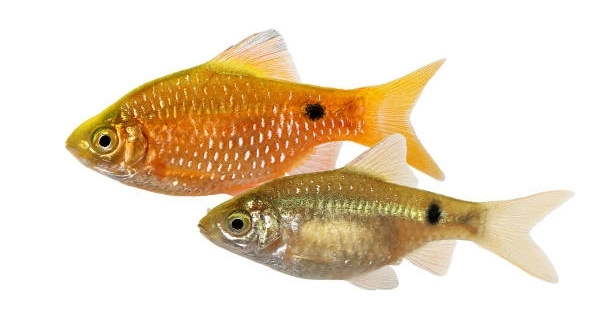
Many fish owners enjoy watching their Rosy Barb swim actively in the aquarium. However, overfeeding this vibrant fish can lead to health problems and water quality issues. Recognizing the signs of overfeeding is important for maintaining a balanced tank environment.
Overfeeding Rosy Barbs often results in visible signs such as excess weight, bloating, sluggish behavior, and uneaten food accumulating in the tank. These indicators reflect dietary imbalance and can negatively affect the fish’s health and water conditions.
Knowing how to spot these signs early will help keep your Rosy Barb healthy and your aquarium clean. The following points explain the common ways to tell if your fish is overfed.
Excess Weight and Bloated Appearance
When a Rosy Barb is overfed, it often gains excess weight quickly. The fish’s body looks rounder than usual, and the belly appears swollen or bloated. This is because too much food causes fat buildup and may lead to internal problems. You might notice that the fish’s scales seem to stick out more, making the body look puffier. Overfed fish tend to lose their usual slim and sleek shape, which can affect their swimming and energy levels. It’s important to monitor your Rosy Barb’s body shape regularly to spot these changes early. If the fish looks consistently larger or bloated, it is a clear sign that the feeding amount should be adjusted.
Overfeeding leads to fat accumulation inside the fish, causing a visibly rounder belly and less agility. This physical change signals a dietary imbalance.
Being aware of your fish’s body condition can help prevent long-term health problems. Adjust feeding habits and improve water quality to support recovery. Overfeeding not only harms the fish but also encourages the growth of harmful bacteria and algae in the tank. Removing leftover food and feeding smaller portions help maintain better tank conditions. Balancing diet and environment is key to keeping Rosy Barbs healthy and active.
Uneaten Food and Water Quality Decline
Leftover food is a common sign of overfeeding. When fish receive more food than they can eat, it settles at the bottom of the tank. This uneaten food quickly decomposes, releasing harmful substances into the water. These substances can reduce oxygen levels and increase toxins like ammonia and nitrites, which stress the fish and can cause illness.
Poor water quality from excess food harms the entire aquarium ecosystem. Maintaining clean water by removing uneaten food and limiting feedings improves fish health. Regular tank maintenance and careful feeding schedules prevent these issues and support a balanced aquatic environment.
Sluggish Behavior and Reduced Activity
Overfed Rosy Barbs often become sluggish and less active. They may swim slowly or rest at the bottom more than usual, showing signs of discomfort or fatigue caused by excess food.
This sluggishness happens because the fish’s digestive system is overloaded. When they eat too much, their body uses more energy to digest food, leaving less energy for movement. Excess fat also slows them down, making swimming harder. Overfed fish are more vulnerable to stress and infections due to weakened immune systems. Watching your fish’s activity levels closely can help you catch this early and adjust feeding to improve their health.
Sluggish behavior can also result from poor water quality caused by leftover food. Both factors combined increase health risks, making proper feeding and tank maintenance essential for your Rosy Barb’s wellbeing.
Changes in Feces and Digestive Issues
Overfeeding often leads to changes in the fish’s feces, which may appear larger, stringy, or discolored. These signs indicate digestive problems caused by excess food and poor diet balance.
When a Rosy Barb consumes too much, its digestive tract can become overwhelmed. Uneaten food and excessive fat may cause constipation or other digestive discomfort. These issues may result in poor nutrient absorption, affecting the fish’s overall health. You might also notice a buildup of waste in the tank, which further impacts water quality and fish wellbeing. Adjusting the amount and type of food can help restore healthy digestion and prevent future problems.
Monitoring your fish’s waste is an important part of caring for them. Healthy feces usually appear small and firm, so any changes should prompt a review of feeding habits.
Gasping at the Surface
Overfed Rosy Barbs may gasp for air at the water surface more often. This behavior usually means oxygen levels in the tank are low, often caused by decomposing leftover food.
Decomposing food consumes oxygen, reducing its availability for fish. Overfeeding increases waste and promotes algae growth, both of which lower oxygen levels. This forces fish to seek air near the surface to breathe, which is a clear sign that water quality is declining and feeding habits need adjustment.
Loss of Color Vibrancy
When overfed, Rosy Barbs can lose their bright colors. Excess food and poor water quality stress the fish, dulling their natural hues and reducing their overall appearance.
Increased Algae Growth
Excess nutrients from overfeeding feed algae growth in the tank. This creates a green film on surfaces and can harm water balance, requiring more frequent cleaning and water changes.
FAQ
How much should I feed my Rosy Barb each day?
Feeding your Rosy Barb small portions two to three times a day is best. Only give what they can eat in about two minutes. This prevents leftover food from building up in the tank and keeps your fish healthy. Overfeeding can cause health issues and poor water quality. It’s better to feed less frequently with controlled amounts than to overfeed.
What types of food are best for Rosy Barbs?
Rosy Barbs thrive on a varied diet. High-quality flake food made for tropical fish is a good base. Supplement their diet with frozen or live foods like brine shrimp, bloodworms, or daphnia to provide essential nutrients. Adding some vegetable matter, such as blanched spinach or peas, can support digestion. Feeding a balanced diet helps prevent overfeeding because the fish feel full and get proper nutrition.
Can I tell if my Rosy Barb is overweight just by looking?
Yes, an overweight Rosy Barb will look rounder, especially around the belly. The scales might appear stretched, and the fish loses its usual streamlined shape. Overweight fish often swim slower and show less energy. Regularly observing your fish’s body shape will help you notice these changes early and adjust feeding habits before problems worsen.
What are the risks of overfeeding Rosy Barbs?
Overfeeding can cause several problems. First, it leads to obesity and digestive issues in the fish, affecting their overall health. Second, uneaten food decomposes in the tank, reducing water quality by increasing harmful chemicals like ammonia. Poor water quality stresses fish, making them more prone to diseases. Overfeeding can also encourage algae growth, which further harms the aquarium’s balance.
How can I reduce overfeeding if my fish seem hungry all the time?
Fish often appear hungry even when well-fed, especially if they associate movement or light with feeding. To reduce overfeeding, offer smaller portions and stick to a consistent feeding schedule. Try feeding in multiple small amounts instead of one large meal. Adding more plants or tank decorations can also distract fish from constant begging behavior. Monitoring their health is more important than responding to perceived hunger.
Is it necessary to fast my Rosy Barb occasionally?
Yes, giving your Rosy Barb one day without food each week can help prevent overfeeding. Fasting allows their digestive system to clear and reduces waste buildup. This practice supports better health and water quality. Make sure to feed normally on other days but avoid overcompensating after fasting.
How do I clean leftover food from the tank effectively?
Use a siphon or gravel vacuum during water changes to remove uneaten food and waste from the substrate. Regularly check the tank bottom after feeding and remove visible food pieces with a net if necessary. Avoid disturbing plants and decorations too much. Keeping the tank clean supports fish health and reduces harmful bacteria growth.
What signs show my Rosy Barb is suffering from poor water quality due to overfeeding?
Signs include gasping at the surface, sluggish swimming, faded colors, and visible waste accumulation. The water may look cloudy or have a foul smell. Algae growth often increases. Testing water parameters regularly can confirm problems. High ammonia, nitrite, or nitrate levels indicate that overfeeding and poor cleaning are stressing the tank’s ecosystem.
Can overfeeding cause diseases in Rosy Barbs?
Yes, overfeeding weakens the immune system and can cause internal infections and swim bladder disorders. Excess waste promotes harmful bacteria and parasites that increase the risk of diseases. Keeping feeding balanced and maintaining clean water are crucial to disease prevention.
What adjustments should I make if I notice my Rosy Barb is overfed?
Immediately reduce the amount of food given and clean leftover food from the tank. Increase the frequency of partial water changes to improve water quality. Consider fasting the fish for a day or two to help their digestive system recover. Observe your fish closely for any changes in behavior or appearance and adjust feeding accordingly to prevent further issues.
Overfeeding Rosy Barbs is a common issue that many aquarium owners face, but it is avoidable with careful attention. Recognizing the signs of overfeeding early can make a big difference in the health of your fish and the quality of your tank environment. By watching for changes such as excess weight, sluggish behavior, leftover food, and poor water quality, you can take the necessary steps to correct feeding habits before serious problems develop. Maintaining a balanced diet and feeding schedule is key to keeping your Rosy Barbs healthy and active.
Proper feeding is not just about how much food you give but also about the type of food and how often you feed your fish. Offering small portions multiple times a day helps prevent waste buildup and supports digestion. Including a variety of foods, such as flakes, frozen items, and vegetables, ensures your fish receive all the nutrients they need without overeating. It is also helpful to occasionally fast your fish to give their digestive systems a break. Keeping your aquarium clean by regularly removing uneaten food and performing water changes will further reduce stress and health risks.
In summary, the wellbeing of your Rosy Barbs depends greatly on mindful feeding and good tank maintenance. Overfeeding can lead to several issues, including digestive problems, poor water quality, and increased risk of disease. By following simple guidelines, such as monitoring your fish’s behavior and appearance, adjusting food portions, and maintaining clean water, you can provide a safe and healthy environment for your fish. Taking these steps ensures your Rosy Barbs will remain vibrant and lively for years to come.

Hello,
If you enjoy the content that we create, please consider saying a "Thank You!" by leaving a tip.
Every little bit helps us continue crafting quality advice that supports the health, happiness, and well-being of pets around the world, for pets of all shapes, sizes, and species.
We really appreciate the kindness and support that you show us!