
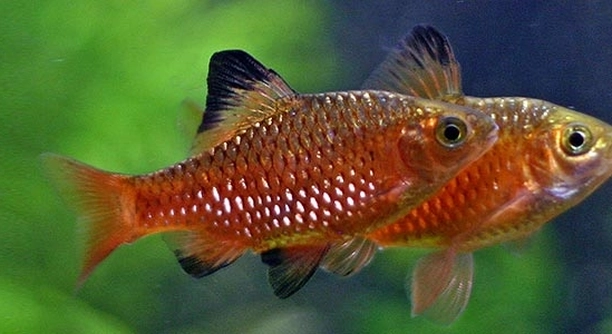
Rosy Barbs are lively and colorful fish often kept in home aquariums. Many aquarists notice their behavior and wonder if these fish develop specific areas in the tank they prefer. Understanding their preferences can help create a better environment for them.
Rosy Barbs do develop preferred zones within their tank based on factors like water flow, hiding spots, and light levels. These zones provide comfort and security, promoting natural behaviors and reducing stress in captivity.
Knowing how Rosy Barbs choose their favorite spots can improve tank setup and care. This article explores the factors influencing their behavior and how to support their well-being.
How Rosy Barbs Choose Their Favorite Zones
Rosy Barbs tend to select areas in the tank where conditions suit them best. They prefer spots with moderate water flow, which helps them swim comfortably without too much effort. These fish also seek shelter among plants or decorations where they feel safe from potential threats. Light levels affect their choices too; they often avoid very bright areas and opt for softer lighting. Temperature and water quality are also important, but since these factors are usually uniform in a well-maintained tank, they influence zone preference less directly. Understanding these factors helps explain why Rosy Barbs cluster in certain spots. This behavior is natural and reflects their instinct to find a balance between safety, comfort, and activity.
By observing their movement and preferred resting areas, aquarists can adjust tank features to enhance fish well-being. Providing varied environments allows Rosy Barbs to select zones that match their needs.
Creating zones with plants, decorations, and varied flow can improve the tank’s livability for Rosy Barbs.
Factors Affecting Zone Preference
Tank size and layout greatly affect where Rosy Barbs gather.
The size of the aquarium impacts how much space the Rosy Barbs have to explore and claim zones. Larger tanks allow for multiple distinct areas, while smaller tanks limit their choices, possibly causing crowding. The arrangement of plants, rocks, and other decorations shapes how zones form, creating hiding places or open swimming areas. Water flow is influenced by filter placement, which can either encourage fish to swim actively or seek calmer corners. Lighting conditions also change with tank size and setup, affecting where the fish feel comfortable. The number of fish in the tank impacts social dynamics, with larger groups tending to spread out more evenly. All these factors combine to shape the zones that Rosy Barbs prefer.
Providing a varied environment supports natural behaviors and helps reduce stress. A balanced tank layout enhances their health and happiness over time. Adjusting decorations and equipment placement allows fish to find the zones they need. Creating spaces for rest, play, and shelter encourages natural activity patterns. It also allows owners to observe different behaviors depending on the chosen zones. In sum, the physical environment is key to supporting the Rosy Barbs’ zone preferences and overall well-being.
Creating Ideal Zones for Rosy Barbs
Providing a variety of plants and decorations helps Rosy Barbs find comfortable zones. Different textures and hiding places cater to their natural instincts for safety and exploration.
Soft plants like java fern and floating plants create shaded spots. Rocks and driftwood offer shelter and resting places. Open swimming areas with moderate water flow encourage activity. Varying light intensity in different sections allows the fish to choose based on preference. Ensuring clean water and stable temperature throughout the tank supports all zones equally. This setup mimics their natural habitat and encourages healthy behavior.
Adjusting equipment placement can improve water flow patterns and create calm or active zones. Filters positioned to avoid strong currents near plants prevent stress. Aeration bubbles placed away from resting areas keep water oxygenated without disturbing the fish. By fine-tuning these factors, aquarists help Rosy Barbs select and enjoy their preferred zones, promoting well-being and reducing territorial conflicts.
Monitoring Rosy Barbs’ Behavior in Zones
Watching how Rosy Barbs interact with their environment reveals zone preferences clearly. Fish that spend most time in one area indicate a favored zone. Changes in behavior, like hiding more or swimming actively, may suggest discomfort or adjustment needs. Social behavior, such as schooling in specific zones, reflects group preferences. Noticing stress signs near certain decorations or lights signals the need for changes. Regular observation helps detect tank issues early. Keeping a tank journal or notes on behavior patterns aids in tracking changes over time. Understanding their habits allows for timely adjustments to the tank setup, improving comfort and health.
Careful monitoring supports long-term tank success and happy Rosy Barbs. This approach encourages natural behavior and enhances the fish’s quality of life. It also allows owners to respond promptly to environmental changes or health concerns. Consistent observation helps maintain a balanced, thriving aquarium community.
Signs That Rosy Barbs Have Settled in Their Zones
When Rosy Barbs choose a zone, they often appear calm and relaxed. They swim smoothly and rest near plants or decorations without signs of stress.
Frequent return to the same spots shows comfort and a sense of security. Fish seem confident and interact peacefully with tank mates in these areas.
Adjusting Zones When Needed
If Rosy Barbs avoid certain zones, changes may be necessary. Removing sharp decorations or reducing strong light can help. Improving water flow or adding plants often encourages fish to explore.
Impact of Tank Mates on Zone Preference
Other fish influence where Rosy Barbs feel safe. Aggressive tank mates can push them into hiding spots. Peaceful species allow Rosy Barbs to swim freely and select zones confidently.
Maintaining Zones Over Time
Regular cleaning and monitoring keep zones healthy. Stable water conditions prevent stress and preserve fish comfort.
FAQ
Can Rosy Barbs live without developing preferred tank zones?
While Rosy Barbs may appear to swim randomly in smaller or very simple tanks, they naturally seek out preferred zones for comfort and safety. Without these zones, they might experience more stress, which can affect their health and behavior. Providing varied environments encourages natural habits and reduces tension.
How do tank decorations influence zone preference?
Decorations create hiding spots and resting areas that Rosy Barbs use to feel secure. Plants offer shade and shelter, while rocks and driftwood serve as landmarks and refuge. Lack of decorations can lead to increased stress or aggression, as fish have nowhere to retreat or establish personal space.
What water flow do Rosy Barbs prefer in their zones?
Rosy Barbs favor moderate water flow. Too strong a current may tire them or cause them to avoid certain tank areas. Gentle flow near plants and decorations helps mimic their natural habitat and keeps them active without stress.
Do lighting conditions affect where Rosy Barbs spend their time?
Yes, lighting plays a key role in zone preference. Bright, direct light may drive them to shaded or dimmer areas created by plants or floating decorations. Balanced lighting ensures the fish can regulate their exposure, helping maintain comfort and reducing stress.
Can tank size change how many zones Rosy Barbs develop?
Larger tanks allow Rosy Barbs to establish multiple distinct zones, supporting various behaviors like schooling, resting, and exploring. Smaller tanks limit these options, often concentrating activity into fewer areas, which can sometimes increase competition or stress.
How do tank mates affect Rosy Barbs’ choice of zones?
Peaceful tank mates encourage Rosy Barbs to swim freely and occupy preferred zones openly. Aggressive or territorial fish may force Rosy Barbs into hiding spots or less desirable areas. Compatibility with other species helps maintain balanced zone use and reduces conflict.
Is it necessary to rearrange tank zones regularly?
Rearranging zones can be helpful if Rosy Barbs avoid certain areas or show stress signs. However, frequent changes might confuse the fish. Moderate adjustments based on behavior observations support comfort without causing disruption.
What signs show that Rosy Barbs dislike a certain zone?
Avoidance of an area, hiding excessively, or signs of stress like erratic swimming and loss of color suggest discomfort with that zone. These behaviors indicate that environmental factors such as flow, light, or decorations need adjustment.
How can I encourage Rosy Barbs to explore less favored zones?
Adding plants, reducing light intensity, or adjusting water flow can make less used zones more attractive. Feeding near these spots may also encourage exploration and gradual acceptance, promoting balanced use of the tank space.
Does temperature vary within tank zones?
In most home aquariums, temperature is fairly uniform. However, areas near heaters or filters may be slightly warmer or cooler, influencing fish location preferences. Monitoring and maintaining stable temperature ensures all zones remain comfortable.
Can Rosy Barbs change their preferred zones over time?
Yes, changes in growth, social dynamics, or tank conditions can cause Rosy Barbs to shift preferred areas. Regular observation helps identify these changes so tank setups can be adjusted accordingly.
Are there health risks if Rosy Barbs cannot find a comfortable zone?
Stress from lack of suitable zones can weaken the immune system, increasing susceptibility to disease. Providing a well-structured environment with varied zones supports health and reduces stress-related risks.
What role does social behavior play in zone selection?
Rosy Barbs are schooling fish, so they often choose zones where they can stay close to others. Social interactions influence their zone preference, with group safety encouraging use of open or sheltered areas depending on tank dynamics.
How often should I check and adjust tank zones?
Regular weekly observation is sufficient to understand Rosy Barbs’ zone preferences. Adjustments should be made only when behavioral signs suggest discomfort or changes in tank setup occur. Stability is important to avoid unnecessary stress.
Are floating plants better for creating zones than rooted plants?
Both have benefits. Floating plants provide shade and cover at the surface, creating calm zones. Rooted plants add structure and hiding spots throughout the tank. Using a mix offers diverse environments for Rosy Barbs to choose from.
Can poor water quality affect zone preferences?
Yes, poor water quality causes stress and may force Rosy Barbs to avoid some zones or become less active. Maintaining clean water supports normal behavior and comfortable zone use.
What equipment helps maintain ideal zones?
Filters, heaters, and lighting that are appropriately sized and placed help create stable zones. Equipment that avoids strong currents in resting areas or excessive heat ensures fish comfort.
Is it normal for Rosy Barbs to fight over zones?
Minor territorial behavior can occur, especially during feeding or breeding. Providing multiple similar zones reduces competition and helps maintain peace within the tank.
Can Rosy Barbs adapt to zones created by artificial decorations?
Yes, they can adapt well if the decorations meet their needs for shelter, swimming space, and comfort. Natural-looking setups tend to be preferred, but well-planned artificial decorations also work effectively.
How important is substrate in zone development?
Substrate type affects zone comfort. Soft, smooth substrates near resting areas reduce injury risk, while varied textures provide sensory stimulation. Clean substrate supports overall tank health.
These answers cover common questions about how Rosy Barbs develop and use zones in their tanks, helping aquarists provide better care and environments for their fish.
Rosy Barbs naturally develop zones within their tanks that meet their needs for comfort, safety, and activity. These zones are influenced by factors like water flow, lighting, decorations, and tank mates. When provided with a well-structured environment, Rosy Barbs tend to select areas where they feel secure and can display normal behaviors. Understanding these preferences helps aquarists create a better habitat, which supports the fish’s health and reduces stress. Paying attention to how the fish use different areas of the tank is an important part of responsible fishkeeping.
Creating varied zones with plants, hiding spots, and open swimming areas allows Rosy Barbs to express natural instincts. Soft lighting and moderate water flow also contribute to their comfort. Tank size and layout affect how many zones can form, but even small tanks benefit from thoughtful arrangement. Observing the fish’s behavior over time reveals their favorite spots and helps identify any issues. Changes to the tank setup can be made gradually to improve conditions without causing stress. This careful balance is key to maintaining a healthy and lively aquarium.
Regular monitoring and maintenance of the tank environment ensure that preferred zones remain suitable for Rosy Barbs. Stable water quality, temperature, and social conditions all play a role in how these fish choose where to spend their time. Providing a range of options within the tank encourages exploration and reduces territorial conflicts. Overall, creating and maintaining tank zones that meet the needs of Rosy Barbs leads to happier fish and a more enjoyable aquarium experience. This attention to detail benefits both the fish and their caretakers.

Hello,
If you enjoy the content that we create, please consider saying a "Thank You!" by leaving a tip.
Every little bit helps us continue crafting quality advice that supports the health, happiness, and well-being of pets around the world, for pets of all shapes, sizes, and species.
We really appreciate the kindness and support that you show us!