
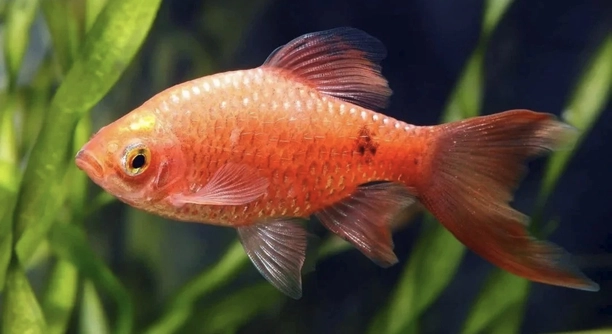
Rosy barbs are popular freshwater fish known for their bright colors and active behavior. Many aquarium owners spend time observing how these fish react to their environment. One interesting question is whether rosy barbs respond to human voices.
Research indicates that rosy barbs can detect sounds and vibrations in the water, including human voices, but their response is usually limited. They may show mild reactions such as swimming closer or increased activity, though these responses are not consistent or strong.
Understanding how rosy barbs interact with sounds can improve how we care for them. Learning about their behavior helps create a more engaging and comfortable environment for these fish.
How Rosy Barbs Hear and React to Sound
Rosy barbs have a sensory system adapted to detect vibrations and sounds in water. Their inner ear and lateral line system help them sense changes in their environment. When humans speak near the tank, the sound waves travel through the water, but these waves differ from how barbs naturally experience sounds. This means their reaction to human voices can be subtle. Sometimes, rosy barbs may swim closer or become more active when they detect noise, but this is not a guaranteed response. They rely more on visual cues and movement than on sound alone. Sudden noises might startle them, but regular speaking tends to blend into the background. Overall, their hearing is functional but not highly tuned to human vocal tones or language.
Most of the time, rosy barbs respond better to movement or feeding signals than to voices. Their hearing helps them survive rather than interact with humans.
Understanding this helps aquarium owners adjust noise levels and create a calm environment, reducing stress for their fish.
Creating a Calm Environment for Rosy Barbs
Keeping the tank environment stable and quiet benefits rosy barbs. Loud or frequent noises can cause stress. Consistent sound levels, like gentle background noise, usually do not bother them. Sudden loud sounds or tapping on the glass should be avoided. Light movements around the tank attract their attention more effectively than voice alone.
Rosy barbs prefer predictable conditions and gentle handling. When they feel safe, their colors brighten and they show more natural behaviors. Aquarium owners should focus on stable lighting, water quality, and minimal disturbances for the best care. This approach supports their well-being and encourages healthier, more active fish.
Signs That Rosy Barbs Notice Human Presence
Rosy barbs often notice movement near their tank before they respond to sound. They may swim toward the glass or follow a person’s hand. These fish show curiosity by increasing activity or flashing their colors briefly.
Movement draws their attention more than voices. When a hand approaches, rosy barbs may gather expecting food. They can also become more alert, swimming faster or schooling together. Their eyesight helps them detect changes around the tank clearly. However, this attention is not always consistent and depends on individual fish temperament. Some rosy barbs may ignore human presence altogether, especially if they are shy or stressed. Learning their subtle signs helps improve interaction and feeding routines, making care easier.
This visual awareness means gentle, calm movements near the tank encourage interaction better than speaking aloud. Rosy barbs respond more reliably to what they see than what they hear.
How to Use Your Voice Around Rosy Barbs
Speaking softly near the tank is unlikely to upset rosy barbs but rarely causes excitement. Their hearing works more for detecting danger than understanding sounds. Raising your voice or sudden loud noises can startle them, causing stress or hiding behavior.
Talking calmly while feeding or cleaning can create a predictable routine. Over time, rosy barbs may associate your presence and voice with positive experiences like feeding time. This helps build a gentle bond based on consistency rather than sound recognition. Quiet, steady tones are best. Avoid shouting or banging on the tank, which may frighten the fish.
Using a calm voice while moving slowly around the tank encourages rosy barbs to feel comfortable. This approach supports a peaceful environment and healthier fish behavior. Consistency in your actions is more important than the actual sounds you make.
Can Rosy Barbs Recognize Their Owners?
Rosy barbs do not recognize individual humans by voice or appearance. They respond to consistent actions like feeding times or movements near the tank. Over time, they may learn to associate certain patterns with positive experiences.
Their recognition is based on routine rather than personal identification. Fish rely mostly on environmental cues and habits to respond.
Effects of Loud Noises on Rosy Barbs
Loud noises can cause stress in rosy barbs. Sudden sounds may make them hide or swim erratically. Prolonged noise disturbances can affect their health by increasing anxiety and weakening their immune system.
Creating a quiet and stable environment is important for their well-being and helps maintain calm behavior.
Training Rosy Barbs with Sounds
While rosy barbs respond more to visual cues, some owners have success using sound patterns combined with feeding. Consistent tones or tapping may signal feeding time, helping the fish anticipate food.
This method requires patience and repetition, as rosy barbs do not naturally respond strongly to sounds alone.
Importance of a Calm Environment
Maintaining a calm environment supports rosy barbs’ health and natural behavior. Avoid sudden movements and loud noises to keep stress levels low. A peaceful tank encourages better activity and color vibrancy.
Do rosy barbs respond to human voices?
Rosy barbs can detect vibrations and sounds, including human voices, but their response is mild and inconsistent. They may react by swimming closer or increasing activity, but they do not truly understand or recognize human speech. Their hearing is adapted more for sensing changes and potential threats in the water than for interacting with humans.
Can rosy barbs hear their owners talking?
They can hear sounds transmitted through water but do not comprehend speech like mammals do. The vibrations caused by voices may catch their attention occasionally, but rosy barbs rely mostly on sight and movement rather than hearing. Soft talking generally has little effect on their behavior.
Why do rosy barbs sometimes swim closer when I talk?
If rosy barbs swim closer, it is likely due to association rather than recognition of your voice. They may connect your presence or voice with feeding or activity around the tank. This learned behavior means they respond to cues like movement, light changes, or regular feeding times, not the sound of speech itself.
Are rosy barbs startled by loud noises?
Yes, loud or sudden noises can startle rosy barbs and cause stress. They might dart around or hide when exposed to unexpected sounds. Repeated loud noises can affect their health negatively by increasing anxiety. Keeping noise levels low helps maintain a calm environment for them.
Can I train rosy barbs to respond to sounds?
Training rosy barbs to respond to sounds is possible but limited. They are more responsive to visual signals and routine behaviors. Some owners use gentle tapping or a specific tone before feeding to create an association. This requires patience, repetition, and consistency, as rosy barbs do not naturally respond strongly to sound cues.
How do rosy barbs react to movement near the tank?
Movement is a stronger trigger for rosy barbs than sound. They often notice hands or objects near the tank and may swim toward them out of curiosity or anticipation of food. Calm, predictable movement encourages interaction, while sudden movements might scare them.
Do rosy barbs recognize individual people?
Rosy barbs do not recognize people individually by face or voice. They respond to routine actions like feeding and tank maintenance. Over time, they learn to associate consistent behaviors and presence with positive experiences, which helps build familiarity but not personal recognition.
What is the best way to communicate with rosy barbs?
The best way to interact is through consistent routines and calm movements. Speaking softly during feeding can create a comforting environment, but actions matter more than sounds. Visual cues like hand movement or light changes are more effective in catching their attention.
Does talking to rosy barbs improve their well-being?
Talking softly may create a predictable atmosphere and reduce sudden noises that stress the fish. While they do not understand speech, gentle voices paired with care routines can help maintain a calm tank environment, indirectly benefiting their health and behavior.
How can I reduce stress for rosy barbs related to noise?
Avoid loud talking, banging on the tank, or sudden sounds near the aquarium. Keeping noise at a consistent, low level and minimizing disturbances helps reduce stress. A stable environment allows rosy barbs to behave naturally and remain healthy.
Do rosy barbs prefer quiet or noisy environments?
They prefer quiet or softly consistent noise levels. Loud or variable noises cause stress. Natural ambient sounds like soft water flow or background room noise are usually tolerated well, but sudden, loud interruptions should be minimized.
Will rosy barbs respond differently to male or female voices?
There is no scientific evidence that rosy barbs respond differently to male or female voices. Their hearing focuses on sound vibrations rather than voice tone or pitch. Their reactions depend more on sound intensity and consistency than the gender of the speaker.
Can rosy barbs distinguish between different sounds?
Rosy barbs can detect changes in sound intensity and vibrations but cannot distinguish complex sounds like humans do. They respond to loud noises or sudden sounds but do not differentiate between words, music, or speech.
What noises should I avoid near a rosy barb tank?
Avoid tapping on the glass, loud music, shouting, and sudden banging sounds. These noises can startle or stress the fish. Keeping the environment calm and quiet promotes better health and natural behavior.
Is it okay to talk to rosy barbs while feeding?
Yes, speaking softly while feeding can help create a calm routine. Over time, rosy barbs may associate your voice and presence with food, which encourages them to swim closer. Consistency is key to building this routine.
Do rosy barbs show affection when they respond to voices?
Their reactions are based on survival instincts and routine, not affection. When they respond by swimming closer or showing activity, it reflects curiosity or expectation rather than emotional bonding.
How can I tell if my rosy barbs are stressed by noise?
Signs include hiding, erratic swimming, loss of color, and reduced appetite. If your tank is noisy, observe changes in their behavior and adjust the environment accordingly to reduce noise and disturbances.
Can rosy barbs get used to human voices over time?
They can get used to regular sounds and routines, which reduces stress. While they don’t understand voices, familiarity with consistent sounds can help them feel safe in their environment.
Are there better ways to interact with rosy barbs than talking?
Yes, gentle hand movements, feeding schedules, and maintaining good tank conditions are more effective. Visual and tactile cues create stronger connections than voice alone.
Do rosy barbs react to music or other sounds?
There is no clear evidence that rosy barbs respond positively to music. Loud or irregular sounds may stress them. Calm, steady background noise is less likely to disturb them than sudden or loud sounds.
This FAQ covers common questions about how rosy barbs interact with human voices and sounds. Their responses are mainly based on vibrations and routine, with visual cues playing a larger role in their behavior.
Rosy barbs are interesting fish that show some awareness of their surroundings, including sounds and movements near their tanks. While they can detect vibrations caused by human voices, their responses tend to be mild and inconsistent. These fish rely more on their sense of sight and routine habits than on hearing to interact with their environment. Understanding this helps aquarium owners know what to expect and how to care for their rosy barbs more effectively.
Creating a calm and stable environment is important for rosy barbs’ health and happiness. Loud noises, sudden sounds, or quick movements can stress them and cause unwanted behavior like hiding or erratic swimming. Speaking softly and moving gently around the tank helps reduce stress. Over time, rosy barbs may learn to associate regular feeding times and quiet sounds with positive experiences, which can make them more active and responsive. This consistency is more meaningful to them than the actual sounds or voices.
Ultimately, caring for rosy barbs means focusing on their natural behavior and comfort. While they do not respond strongly to human voices, they benefit from a peaceful environment with stable routines. Watching their movements and reactions can provide clues about their well-being. Keeping noise levels low, avoiding sudden disturbances, and maintaining good tank conditions support their health. These small efforts help ensure rosy barbs remain vibrant, active, and healthy in their home aquarium.

Hello,
If you enjoy the content that we create, please consider saying a "Thank You!" by leaving a tip.
Every little bit helps us continue crafting quality advice that supports the health, happiness, and well-being of pets around the world, for pets of all shapes, sizes, and species.
We really appreciate the kindness and support that you show us!