
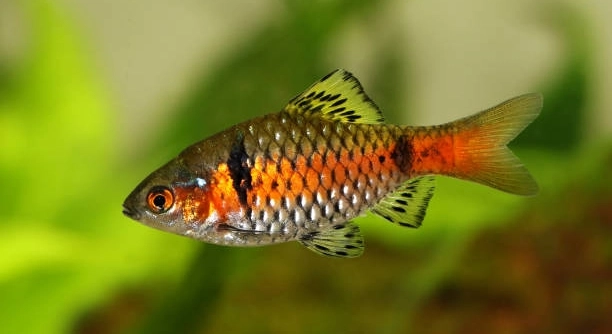
Have you ever noticed your rosy barb suddenly acting shy and hiding in the corner of the tank for long periods?
The most common reason a rosy barb suddenly starts hiding is stress, often caused by environmental changes, poor water quality, or aggressive tank mates. Identifying and correcting these stressors can help restore normal behavior.
Understanding what’s affecting your fish will help you provide a more stable and supportive environment for your rosy barb.
Common Reasons a Rosy Barb Begins Hiding
Rosy barbs are usually active fish, so hiding is often a sign that something is off in their environment. Changes in water parameters like pH, temperature, or ammonia levels can cause discomfort and make the fish retreat. Poor water quality, overcrowding, or loud noises near the tank may also lead to hiding behavior. Sometimes, a new tank setup or recent relocation can stress the fish and cause them to withdraw. Additionally, if the tank mates are aggressive or too active, your rosy barb may hide to feel safe. Illness is another possible factor, especially if hiding is paired with other symptoms like clamped fins or lack of appetite. Always observe closely and test the water to rule out these issues. Early detection makes it easier to correct the environment and help the fish feel secure again. Hiding should never be ignored if it becomes sudden or frequent.
Short periods of hiding are normal after sudden changes, but frequent hiding usually means something needs to be corrected quickly.
Creating a peaceful tank setup is essential. Make sure your fish has plenty of space, soft lighting, and hiding spots like plants or rocks. This helps lower stress and supports their natural behavior.
Behavioral Changes After Environmental Stress
If your rosy barb starts hiding more often, it may be reacting to sudden stress.
Fish are sensitive to shifts in their surroundings, even those that may seem small to us. A change in lighting, a sudden tank cleaning, or even a nearby television can disrupt their usual behavior. Rosy barbs may also react to poor water maintenance or inconsistent feeding. These changes build stress, which often leads to hiding. Over time, the fish can become more reclusive, eat less, and lose color. Some even develop weakened immune responses, making them prone to illness. It’s important to maintain a calm and predictable tank setting. Use a soft light, avoid tapping the glass, and keep feeding consistent. Always test your water weekly and clean the tank gradually rather than all at once. Catching these stress signs early helps your rosy barb recover quickly and stay healthy. Subtle shifts in their behavior are worth watching closely, especially if they begin avoiding open spaces.
Signs That Something Is Wrong
Frequent hiding, loss of appetite, or dull coloration are strong signs that something is wrong. Watch for rapid gill movement, clamped fins, or unusual swimming patterns, as these may point to stress, illness, or water quality problems.
When a rosy barb begins hiding, it’s usually paired with other behaviors that show discomfort. A healthy fish will swim confidently and eat regularly. If your fish is skipping meals, avoiding light, or sticking to one corner, it’s time to investigate. You might also see signs like faded color or frayed fins. Check if other fish in the tank are bullying your rosy barb or if the water has changed recently. Even subtle shifts can make a big difference. Use a reliable test kit to check ammonia, nitrite, nitrate, pH, and temperature. These clues often lead to quick fixes that restore balance and improve your fish’s comfort and behavior.
When illness is the cause, symptoms become more specific. Look for white spots, bloating, or unusual marks on the body. Some diseases like ich or fin rot cause visible changes that accompany hiding. If you notice these, isolate the fish and begin treatment based on the condition. Keeping a clean tank and avoiding sudden changes can help prevent illness.
Tank Setup and Environment
A peaceful and clean tank environment reduces stress and encourages normal behavior. Use soft lighting, add plants or rocks for hiding, and avoid overcrowding. Each rosy barb needs enough space to swim freely without feeling threatened by tank mates.
Rosy barbs thrive in stable, well-maintained tanks. Maintain the temperature between 74–79°F and keep the pH level close to neutral. Use live or silk plants to give your fish places to rest without feeling exposed. Ensure your filtration system is working properly, and avoid strong currents that might tire the fish. A quiet spot for the tank helps too—vibrations or loud noises from nearby TVs or appliances can stress fish. If you keep other fish, choose peaceful species that won’t nip at your barb’s fins. Lighting should mimic natural daylight but not be too intense. Keep a regular cleaning schedule and monitor water parameters weekly. A calm, predictable environment encourages healthy, active behavior and minimizes hiding.
How to Encourage Normal Behavior
Keep the environment calm and stable. Limit sudden movements around the tank, stick to a regular feeding schedule, and avoid placing the aquarium in high-traffic areas. Routine and quiet surroundings help reduce stress and build confidence in shy fish.
Add more hiding spots using live plants, driftwood, or caves. This gives your rosy barb a sense of safety, which often encourages them to explore more. A secure fish is more likely to return to normal swimming and social behavior over time.
When to Seek Help
If your rosy barb continues hiding after you’ve checked the water, adjusted the environment, and ruled out aggression, it’s time to look closer. Watch for signs of illness like white spots, fin damage, or labored breathing. A vet or aquatic specialist can help identify and treat the issue properly.
Final Checkpoints
Keep the tank clean, feed high-quality food, and avoid overcrowding. A stable, low-stress setup gives your rosy barb the best chance to stay active and healthy.
FAQ
Why is my rosy barb suddenly hiding all the time?
Sudden hiding is usually caused by stress, illness, or environmental changes. Check the water parameters first—ammonia, nitrite, nitrate, pH, and temperature. Also, look for signs of aggression from other fish. Loud noises, strong tank lights, or sudden changes in the room can also cause hiding. Even moving decorations or cleaning the tank too aggressively may lead to a stress reaction. If your fish has no visible signs of illness and the water is stable, monitor behavior for a few days while maintaining a calm environment. Often, your fish will return to normal once it feels secure again.
Can a rosy barb hide due to being sick?
Yes, sickness can cause a rosy barb to hide more than usual. Fish often retreat when they feel weak or unwell. Look for symptoms like faded color, white spots, clamped fins, bloating, or rapid gill movement. If these appear, your fish may have a condition like ich, fin rot, or internal parasites. Isolate the fish if possible and treat based on the diagnosis. You can find treatments at pet stores, but make sure to identify the illness correctly before starting anything. Hiding without eating or swimming normally is usually a strong sign of sickness.
Is it normal for a new rosy barb to hide?
Yes, it’s very common for a new rosy barb to hide for a few days after being introduced to a new tank. They need time to adjust to the water, surroundings, and other fish. Avoid disturbing the tank during this time and keep the lights low. Make sure the tank mates are peaceful and there are enough hiding spots to help the fish feel safe. Once the rosy barb feels comfortable, it will usually come out and swim around more confidently. Give it time and keep the tank stable to help ease the transition.
Do rosy barbs need hiding spots in their tank?
Yes, even though rosy barbs are active swimmers, they still need hiding spots. These areas offer security and help reduce stress. Use live or silk plants, driftwood, and smooth rocks to create shaded areas or small shelters. Hiding spots are especially important if you keep them with other fish or in community tanks. A well-decorated tank helps fish feel safe and promotes more natural, relaxed behavior. It also provides shelter if they feel overwhelmed or tired. Without hiding spaces, fish may become more anxious or aggressive over time.
How do I know if other fish are stressing my rosy barb?
Aggressive tank mates often chase or nip at other fish, which causes stress. Watch your tank carefully for signs of chasing, fin-nipping, or territorial behavior. Rosy barbs prefer being with their own kind in groups of five or more. If they’re kept with incompatible species—like slow, long-finned fish or very aggressive ones—they may hide to avoid conflict. Re-arranging the tank to break up territories or adding more plants can help. If aggression continues, you may need to rehome one of the species to protect your rosy barb’s health and behavior.
How long should I wait before getting concerned about hiding?
If your rosy barb is hiding for more than a few days and shows no improvement, it’s time to check everything closely. Start with water tests, then watch tank mate behavior. If all seems normal but hiding continues, monitor for signs of illness. Sometimes fish are just shy, especially in new environments, but sudden or prolonged hiding often points to stress or health issues. If you’re unsure, it’s better to act early. Simple changes like dimming the light, changing feeding times, or creating more shelter can make a big difference quickly.
Should I be worried if only one rosy barb is hiding while the others are active?
Yes, that can indicate something is wrong with that specific fish. It might be sick, bullied, or struggling with stress more than the others. Compare its behavior, appearance, and eating habits to the rest. One fish hiding alone while the others act normally should not be ignored. If you suspect illness or aggression, separate the fish to observe it more closely. Keep a close eye for any new signs that may help you pinpoint the problem. Catching it early improves the chances of a full recovery and keeps your tank healthy.
Final Thoughts
Rosy barbs are usually active, social fish, so sudden hiding often means something in their environment is not quite right. It can be caused by stress, poor water conditions, illness, or aggression from other fish. Understanding their normal behavior helps you notice problems early. When hiding becomes frequent or sudden, it’s important to check for issues right away. Simple steps like testing the water, observing tank mates, and adjusting the setup can often fix the problem quickly. Many times, a small change—like adding plants or reducing light—can make a big difference in how your fish feels.
Taking care of rosy barbs means creating a calm, stable tank that supports their natural behavior. They need clean water, enough space, and peaceful tank mates. Avoid loud noises and don’t make sudden changes to their routine. Provide hiding spots, but make sure they still have room to swim freely. Keep the tank at the right temperature and check water quality regularly. Feed them high-quality food on a consistent schedule. All of these things help reduce stress and encourage your rosy barb to stay active and healthy. The more you understand what affects your fish, the easier it becomes to notice when something is wrong.
It’s normal for rosy barbs to hide now and then, especially after changes in the tank. But if the behavior continues or worsens, it’s worth taking a closer look. Watch for other symptoms and be patient while making changes to help them feel safe again. If needed, reach out to an aquatic specialist who can guide you through treatment or tank adjustments. Hiding doesn’t always mean something serious, but it should not be ignored. A well-maintained tank and careful observation will help your rosy barb feel secure and act like its usual self again. Keeping your fish healthy is about consistency, attention, and understanding their needs every day.

Hello,
If you enjoy the content that we create, please consider saying a "Thank You!" by leaving a tip.
Every little bit helps us continue crafting quality advice that supports the health, happiness, and well-being of pets around the world, for pets of all shapes, sizes, and species.
We really appreciate the kindness and support that you show us!