
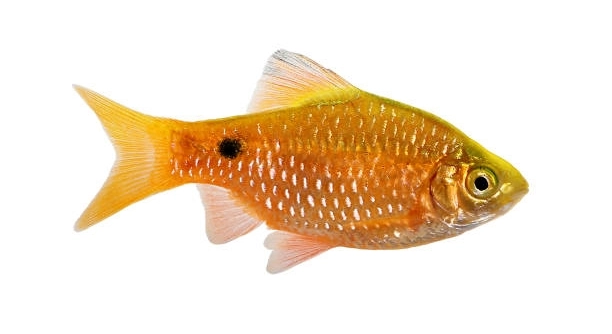
Rosy Barbs are popular aquarium fish known for their bright colors and active behavior. Sometimes, these fish seem to ignore each other despite being social by nature. This can be puzzling for many fish keepers trying to understand their tank dynamics.
Rosy Barbs may ignore each other due to factors such as sufficient space, lack of competition for food, or a peaceful environment where social interaction is less necessary. Stress, illness, or changes in the tank can also influence their behavior.
Knowing why your Rosy Barbs behave this way can help you maintain a healthy and balanced aquarium. There are important details to consider for their well-being and tank harmony.
Why Rosy Barbs Sometimes Keep to Themselves
Rosy Barbs are naturally social fish that enjoy swimming in groups. However, when they have plenty of space and food, they may not feel the need to interact as much. If the tank is large enough, each fish can establish its own area without much overlap. This reduces the chances of chasing or showing off, so they appear to ignore each other. Another reason can be the tank’s environment—if everything is calm and stable, the fish may simply be relaxed and less active in social behaviors. Sometimes, the fish may be resting or exploring different parts of the tank quietly, which can be mistaken for ignoring each other. It’s also normal for fish to spend some time alone. This doesn’t always mean something is wrong; it can just be part of their daily routine in a peaceful aquarium.
When Rosy Barbs have no stress or threats, they often show less group interaction. This is a sign of comfort rather than a problem.
Watching these subtle changes can help you understand their mood better. Over time, you’ll notice patterns that explain why they act the way they do in your tank.
How Tank Conditions Affect Interaction
The size and setup of your tank play a big role in Rosy Barb behavior. Smaller tanks may cause more interaction because fish compete for space and resources. In larger tanks, they have room to spread out, so they don’t need to swim close together all the time. The water quality, temperature, and hiding spots also influence their activity. Poor water conditions can make fish stressed or sick, reducing their desire to socialize. Adding plants and decorations gives them places to feel safe, which may decrease visible interaction but improve overall health. Feeding routines matter too—if food is always easy to find, there is less need to chase or compete, so fish might appear more independent.
Providing a balanced environment encourages natural behavior without forcing constant group activity. This helps Rosy Barbs stay healthy and comfortable in your aquarium.
Common Causes of Rosy Barbs Ignoring Each Other
Rosy Barbs may ignore each other because of changes in their environment or health. Stress, illness, or poor water quality can reduce their social behavior. Sometimes, new fish or tank rearrangements can also cause temporary quietness among them.
Stress can make Rosy Barbs hide or keep to themselves. If the water quality drops or the temperature changes suddenly, the fish may feel unsafe and less active. Illness weakens them, so they may avoid swimming in groups. Introducing new fish too quickly or changing the tank setup can disrupt their routine. During these times, they might focus on adjusting rather than interacting. Keeping the tank stable and clean helps them feel secure and more social again.
Behavior changes due to environment or health are usually temporary. With proper care, your Rosy Barbs will return to their usual active and social selves.
Effects of Tank Size and Population
A crowded tank often leads to more interaction among Rosy Barbs. When space is limited, they swim close and sometimes compete for food or territory. This can cause chasing or mild aggression, making their social behavior very noticeable.
In a larger tank with fewer fish, Rosy Barbs spread out and may not swim in tight groups. This can look like they are ignoring each other, but they are simply comfortable having personal space. Overstocking a tank can increase stress and fights, while understocking might reduce social activity. Finding the right balance between tank size and fish number supports natural behavior and health. Keeping about six or more Rosy Barbs encourages group swimming without overcrowding, which creates a peaceful and lively aquarium environment.
Rosy Barbs’ Natural Behavior
Rosy Barbs naturally form groups called schools, but this doesn’t mean they are always close together. They may swim apart and rest quietly without much interaction. This is normal and shows they feel safe.
At times, they prefer exploring different areas of the tank alone. This helps reduce stress and lets them find food or shelter. Their occasional separation is part of their natural rhythm.
Impact of Feeding on Social Interaction
Feeding time usually brings Rosy Barbs together. When food is scattered, they compete lightly but do not fight aggressively. If feeding is regular and adequate, fish are less likely to chase or compete, leading to calmer group behavior. Understanding their feeding patterns helps maintain harmony.
Signs of Illness Affecting Social Behavior
Illness can cause Rosy Barbs to isolate themselves or stay still. Watch for changes like clamped fins, discoloration, or sluggish swimming. Early detection and treatment help restore their health and social activity.
When to Adjust Your Tank Setup
If your Rosy Barbs seem inactive or overly distant, checking tank conditions and making small changes can improve their behavior quickly.
FAQ
Why are my Rosy Barbs ignoring each other all of a sudden?
Sudden changes in behavior often point to stress or environmental issues. This could be from poor water quality, a sudden temperature drop, or new tank mates. Rosy Barbs may also react this way if they are sick or recovering from an illness. Make sure to check the water parameters and observe your fish closely for any signs of distress.
Can Rosy Barbs be shy or quiet by nature?
Yes, Rosy Barbs are generally active but can have quiet moments. They sometimes prefer to explore separately or rest quietly. This is a natural behavior and doesn’t always mean something is wrong. However, if quietness is combined with other signs like lack of appetite or hiding, it may need attention.
How much space do Rosy Barbs need to stay social?
Rosy Barbs thrive best in groups of six or more with at least 20 gallons of water. When given enough room, they can swim freely and interact naturally. Too small a tank makes them compete for space, increasing stress, while too much space with too few fish might make them seem less social.
Will adding more Rosy Barbs encourage interaction?
Adding more fish can encourage schooling behavior but only if your tank can handle the extra population. Overcrowding causes stress and aggression, which is worse than having a few fish ignoring each other. Balance is key—adding fish gradually and observing their behavior helps.
Do Rosy Barbs need constant interaction with each other?
No, they don’t need to be together all the time. Even social fish take breaks to rest or explore alone. Their interactions tend to peak around feeding times or when they feel threatened. If they appear calm and healthy, some alone time is normal.
How does tank decoration affect their social behavior?
Plants, rocks, and hiding spots allow Rosy Barbs to feel safe. When fish feel secure, they may spread out more, which can look like ignoring each other. Good decoration reduces stress and supports natural behavior, so a peaceful tank may show less obvious social interaction.
What are common signs that Rosy Barbs are stressed?
Look for fast breathing, hiding, loss of appetite, or sudden aggression. Stress can also cause color fading or clamped fins. If you notice these signs, test water quality and review tank conditions immediately to fix any issues.
How often should I feed Rosy Barbs to keep them active and social?
Feed small amounts two to three times a day. Regular feeding keeps them healthy and encourages group activity during feeding. Avoid overfeeding, which can harm water quality and reduce their activity.
Can illness cause Rosy Barbs to ignore each other?
Yes, illness often leads fish to isolate themselves. Sick fish lose energy and interest in socializing. Watch for unusual swimming, spots, or changes in appearance. Prompt treatment improves their chances of recovery and returning to normal behavior.
Is it normal for Rosy Barbs to chase each other sometimes?
Mild chasing is normal and part of establishing hierarchy within the group. It usually stops quickly and does not harm the fish. However, constant aggressive chasing may need attention to prevent injury or stress.
How can I improve social interaction in my Rosy Barbs?
Maintain good water quality, provide enough space, and keep a proper group size. Adding decorations and plants encourages natural hiding and exploring. Feeding regularly and minimizing sudden changes also help Rosy Barbs feel comfortable and more social.
What water parameters are ideal for Rosy Barbs?
Rosy Barbs prefer water temperatures between 74-79°F (23-26°C), pH levels around 6.5-7.5, and moderate hardness. Stable conditions with clean, filtered water promote health and natural behavior. Regular testing helps avoid sudden changes that stress the fish.
Can Rosy Barbs ignore each other if they are full or not hungry?
Yes, when well-fed, Rosy Barbs are less likely to compete or chase for food, so they may spread out and ignore each other more. Hunger increases activity and social interaction during feeding times.
Should I separate Rosy Barbs if they keep ignoring each other?
Not necessarily. Ignoring behavior alone is usually harmless if the fish are healthy and active otherwise. Separation is only needed if aggression, illness, or stress is present. Monitoring their health and environment is more important.
How long does it take for Rosy Barbs to return to normal social behavior?
Recovery time varies but usually takes a few days to a week after stress or illness is resolved. Patience and steady tank conditions are key to helping them feel safe and social again.
Can lighting affect Rosy Barb behavior?
Yes, bright or harsh lighting can stress fish and reduce social activity. Moderate, natural lighting helps them feel secure. Providing shaded areas or plants lets Rosy Barbs control their exposure and behave more naturally.
Is it okay if Rosy Barbs ignore each other during breeding season?
During breeding, Rosy Barbs may show different behavior, including chasing or hiding. Sometimes ignoring each other happens when they focus on mating or preparing territory. This change is normal and usually temporary.
How can I tell if my Rosy Barbs are happy?
Happy Rosy Barbs swim actively, show bright colors, and eat well. They interact lightly, explore the tank, and rest calmly. A peaceful, balanced aquarium often reflects their good health and comfort.
What should I do if my Rosy Barbs’ ignoring behavior lasts for weeks?
If ignoring persists along with signs of stress or illness, test water quality, check tank conditions, and consider consulting a specialist. Long-term changes may indicate health problems or unsuitable environment needing correction.
Rosy Barbs are lively fish that usually enjoy swimming together and showing social behavior. However, it is perfectly normal for them to sometimes ignore each other or spread out in the tank. This behavior can happen when they feel safe, have enough space, or simply want some quiet time. Understanding that fish do not always need to be active with one another helps reduce worry about their well-being. When the environment is calm and comfortable, they may not feel the need to interact constantly, which is a natural part of their routine.
Maintaining good tank conditions is important for keeping Rosy Barbs healthy and social. Clean water, proper temperature, and a well-balanced group size all contribute to how they behave. Sometimes, changes in their surroundings, stress, or illness can cause them to become less active or more distant from each other. Observing your fish carefully can help you notice if anything is wrong early on. Small adjustments like regular feeding, stable water parameters, and adding hiding places can encourage your Rosy Barbs to feel secure and more social.
Remember, each Rosy Barb tank is unique, and fish behavior can vary based on many factors. If your fish are healthy, eating well, and not showing signs of stress, their occasional quiet or separate moments are not a cause for concern. With proper care and attention to their environment, your Rosy Barbs will continue to thrive and display their colorful, lively nature. Being patient and learning their habits over time will make your aquarium experience more enjoyable and rewarding.

Hello,
If you enjoy the content that we create, please consider saying a "Thank You!" by leaving a tip.
Every little bit helps us continue crafting quality advice that supports the health, happiness, and well-being of pets around the world, for pets of all shapes, sizes, and species.
We really appreciate the kindness and support that you show us!