
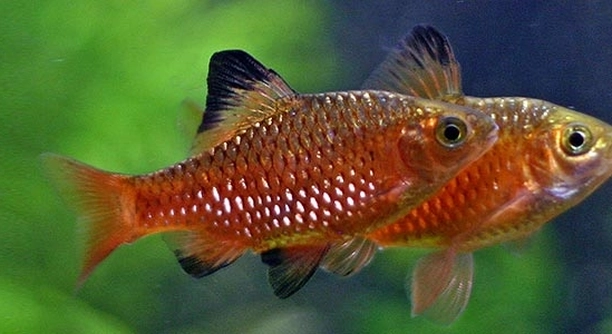
Have you ever noticed your Rosy Barbs acting differently when it’s time to clean their tank or change the water?
Rosy Barbs may associate routine tank maintenance with environmental changes, such as shifting light patterns, water flow, or human activity. These subtle cues can influence their behavior, making them appear unusually alert or responsive.
Understanding these behavioral patterns can help you maintain a stable and stress-free environment for your fish.
What Signals Do Rosy Barbs Pick Up On?
Rosy Barbs are active and observant fish. They often notice changes in their surroundings, especially when those changes happen regularly. If your tank maintenance follows a set schedule, your fish may begin to associate that routine with certain patterns—like the sound of the water siphon, the movement of your hand near the tank, or the brief disturbance of gravel and plants. Over time, they may react more quickly or even hide in response to these signs. This is not necessarily stress; it can also be recognition. Fish learn from repeated experiences, and Rosy Barbs are no exception. Their memory, while not as long as that of a dog or cat, still plays a role in how they respond to their environment. Tank maintenance becomes part of their rhythm, and they may show changes in swimming behavior, grouping, or alertness before or during cleaning sessions.
They rely mostly on visual cues and vibrations in the water, which alert them to changes quickly.
By learning these signals and how your fish respond, you can make tank maintenance less disruptive. Approach the tank slowly and avoid sudden movements when possible. This helps your Rosy Barbs stay calm and feel secure during cleaning routines.
How Routine Affects Behavior
Regular maintenance does more than keep the tank clean—it shapes how your Rosy Barbs behave from day to day.
If your cleaning routine is consistent, your fish may learn to expect certain actions. This can make them more sensitive to even minor changes in the tank environment. For example, they might retreat to the back of the tank or school together more tightly before water changes. While this may look like stress, it can also be a sign that they’ve learned to anticipate these events. Fish, including Rosy Barbs, respond to repeated patterns, and this includes the human presence around the tank. If you always clean on a Sunday afternoon, they may grow accustomed to those cues. This awareness isn’t a problem—in fact, it can help you manage their reactions better. Give them time to settle after maintenance and avoid back-to-back changes. The goal is to keep the environment as stable as possible while still handling your routine tasks. Recognizing these behavioral shifts helps build a quieter, more peaceful tank for both you and your fish.
Subtle Signs You Might Notice
Rosy Barbs may swim more quickly, stay closer to each other, or explore different parts of the tank when they sense changes. These small shifts often happen right before or during maintenance tasks, especially if those tasks follow a predictable routine.
Increased alertness is one of the more common signs. You might notice your Rosy Barbs watching your hand movements more closely or swimming in tighter circles. They may also pause near surfaces where they expect changes, like filter outlets or gravel areas. If you’ve moved slowly and carefully during past cleanings, they might not dart away but instead watch cautiously. These are learned behaviors. Fish can remember and adjust to patterns, and your Rosy Barbs are likely doing just that. When they feel safe, they become more curious than fearful, which helps create a more relaxed tank during maintenance.
Sometimes, your fish may appear more active after the tank is cleaned. This could be because of clearer water or fresher oxygen levels, but it may also be a behavioral response to routine. Since they know that maintenance doesn’t bring harm, their activity may reflect recognition or even mild anticipation. While these responses are subtle, paying attention helps build better care habits.
Making Maintenance Less Stressful
It helps to clean your tank in the same order every time. Start with familiar steps like gently removing debris, then move to partial water changes. This consistency helps the fish feel more secure during routine care.
Limit sudden motions around the tank. Rosy Barbs often respond to vibrations and quick shadows, so a slow, calm approach makes a big difference. If possible, use the same tools for each cleaning. Familiar equipment reduces the chance of startling the fish. Try to keep noise levels low during the process—loud talking or clattering tools can raise their alertness unnecessarily. Avoid rearranging decorations too often, as this can be stressful. If you do need to move items, try to return them to a similar place. Stick to partial water changes rather than full ones. These allow the tank to remain stable and avoid major shifts that can confuse or upset your fish. When you’re done, give them some quiet time to settle. Watching how they behave after cleaning can help you fine-tune your routine and make future maintenance easier on them.
Timing and Patterns Matter
Keeping your maintenance schedule consistent helps your Rosy Barbs feel more at ease. They respond better when they can predict what’s coming. Cleaning the tank around the same time each week builds routine and can reduce signs of stress or avoidance behaviors.
Too many changes at once can confuse them. Try not to mix up feeding, water changes, or decoration adjustments all in one session. Spacing out tasks helps your fish adjust and keeps their environment feeling stable. Predictable routines support healthier, more relaxed behavior in your tank.
When Behavior Becomes Concern
If your Rosy Barbs start hiding for long periods, stop eating, or swim erratically after maintenance, these may be signs of stress. It’s important to pay attention to how they act during and after cleaning. A few minutes of alert swimming is normal, but ongoing changes could mean the routine is too disruptive. Try breaking the task into smaller steps or adjusting how quickly you move. Observing their reactions helps you adapt your approach. Gentle, consistent care reduces the chance of stress-related illness and keeps your fish healthier in the long run.
Consistency Builds Trust
The more predictable your routine, the more your Rosy Barbs will settle into it. Over time, they learn what to expect, which helps reduce nervous behavior.
FAQ
Can Rosy Barbs really recognize when maintenance is happening?
Yes, Rosy Barbs can pick up on environmental changes tied to tank maintenance. They notice shifts in water flow, lighting, and human presence around the tank. Over time, they associate these cues with routine cleaning, which affects their behavior. While they don’t understand maintenance like humans do, their natural alertness and memory help them react to familiar signals. This is why you may see them swimming differently or gathering in certain areas before or during maintenance.
How often should I clean the tank without stressing my Rosy Barbs?
Cleaning frequency depends on your tank size, filtration, and fish load. Generally, a partial water change and light cleaning every one to two weeks works well. Keeping a regular schedule helps your fish adjust and lowers stress. Avoid cleaning too often or doing full water changes all at once, as sudden environmental changes can unsettle your Rosy Barbs. Sticking to smaller, consistent maintenance helps keep water quality steady and fish behavior stable.
What signs show that tank cleaning is stressing my Rosy Barbs?
Watch for prolonged hiding, loss of appetite, or erratic swimming after cleaning. Increased aggression or lethargy can also indicate stress. Short-term alertness during cleaning is normal, but if these signs last for hours or days, your routine may be too disruptive. Adjusting the speed of your maintenance, limiting noise, or breaking tasks into smaller parts can reduce stress and improve their comfort.
Does the type of maintenance tool affect Rosy Barbs’ reactions?
Yes, unfamiliar tools or noisy equipment can startle your fish. Using the same, quiet tools helps them become accustomed to the process. Tools that create strong vibrations or loud sounds may cause fear or hiding behavior. Selecting gentle equipment and moving slowly reduces sudden disturbances and helps your Rosy Barbs stay calm.
Can Rosy Barbs get used to maintenance over time?
They can become more tolerant of maintenance routines if you keep things consistent and gentle. Over time, fish recognize the signals and understand the process doesn’t harm them. This reduces their stress responses, making cleaning easier for both you and your fish. Patience and regular practice help build this comfort.
What should I avoid during maintenance to keep stress low?
Avoid sudden movements, loud noises, and rearranging decorations frequently. Changing too many things at once confuses your fish. Stick to partial water changes and keep the water parameters stable. Using harsh chemicals or cleaning the entire tank at once can disrupt the environment and cause stress. Keeping the tank environment as stable as possible during maintenance is key.
How can I help Rosy Barbs settle after tank cleaning?
Give them quiet time with minimal disturbance. Avoid feeding immediately after cleaning, as fish may be unsettled. Dim the lights if possible and move away from the tank for a short period. Observing from a distance lets your fish feel secure and return to normal behavior faster.
Do Rosy Barbs respond differently to manual versus automated maintenance?
Manual cleaning tends to produce more noticeable changes in behavior because it involves human presence, movement, and noise. Automated filters and systems run quietly and consistently, causing less disturbance. Combining gentle manual maintenance with reliable automated equipment can balance clean water with calm fish behavior.
Is it necessary to tell if my Rosy Barbs dislike tank cleaning?
Fish don’t communicate discomfort like humans, but behavior changes are clear signs. Watching how your Rosy Barbs act before, during, and after cleaning helps you understand their comfort level. Being mindful of their responses and adjusting your routine shows good care and improves their well-being.
Can stress from tank maintenance affect the health of Rosy Barbs?
Yes, prolonged or repeated stress weakens their immune system, making them more prone to illness. Stress can also affect feeding habits and growth. Keeping maintenance gentle and predictable supports their health and longevity. Monitoring behavior regularly helps catch early signs of stress or illness related to tank care.
Rosy Barbs are sensitive to changes in their environment, and routine tank maintenance can influence their behavior. They pick up on small signals like your presence, water movement, and lighting changes during cleaning. Because of this, they may react by swimming differently or grouping more closely. These behaviors are not necessarily signs of stress but often show that the fish are aware of what is happening. Keeping a regular maintenance schedule helps your Rosy Barbs become familiar with these signals and feel more comfortable during cleaning times. Consistency plays a big role in helping your fish stay calm and reduces sudden reactions.
Maintaining the tank with care means more than just cleaning—it involves thinking about how your actions affect the fish. Moving slowly, avoiding loud noises, and using the same tools during each cleaning helps the Rosy Barbs adjust better. Partial water changes and small adjustments keep the tank environment stable, which is less upsetting for the fish. Watching how your fish behave before, during, and after maintenance gives useful clues about their comfort level. If you notice signs of stress, such as hiding or loss of appetite, it may be necessary to change how you clean the tank. Making small changes like breaking up tasks or cleaning less often can improve your fish’s well-being.
Overall, understanding your Rosy Barbs’ responses to routine care makes you a better caretaker. By paying attention to their behavior and creating a calm environment, you help them thrive in the tank. Regular, gentle maintenance keeps the water healthy and supports their long-term health. The more you respect their needs and adjust your routine accordingly, the happier and healthier your Rosy Barbs will be. This approach benefits both you and your fish, creating a peaceful space where they can grow and live comfortably.

Hello,
If you enjoy the content that we create, please consider saying a "Thank You!" by leaving a tip.
Every little bit helps us continue crafting quality advice that supports the health, happiness, and well-being of pets around the world, for pets of all shapes, sizes, and species.
We really appreciate the kindness and support that you show us!