
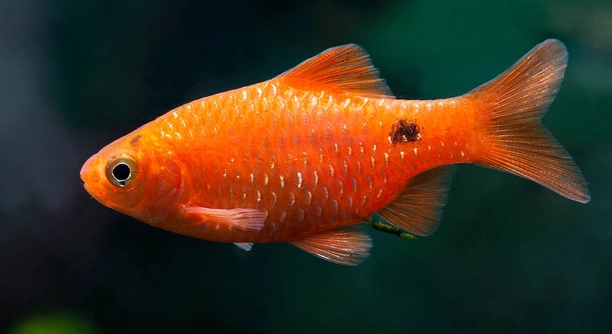
Rosy Barbs are lively fish often seen swimming close to the aquarium glass. Their bright colors and active behavior make them popular among fish enthusiasts. Understanding why they stay near the glass can help improve their care and environment.
Rosy Barbs swim close to the glass primarily due to environmental factors such as curiosity, seeking food, territorial behavior, or stress responses. These behaviors are influenced by tank conditions, social interactions, and the fish’s natural instincts to explore and react to stimuli.
Knowing these reasons will help you create a better habitat for your Rosy Barbs. Exploring their behavior can lead to a more enjoyable and healthier aquarium experience.
Curiosity and Exploration
Rosy Barbs often swim near the glass because they are naturally curious. They respond to movement and light outside the tank, which can capture their attention. When they see activity nearby, they tend to investigate by swimming close to the glass. This behavior is a form of exploration, helping them understand their surroundings. Sometimes, they might mistake their reflection for another fish and react accordingly. This curiosity can be a sign of healthy activity and engagement with their environment. However, if they stay too close to the glass all the time, it might also indicate that the tank needs more stimulation or rearrangement to keep them interested. Providing plants, hiding spots, or gentle current changes can encourage them to swim more freely throughout the tank.
Swimming close to the glass for exploration is common among many fish species, including Rosy Barbs. This behavior shows their interest in the environment beyond their tank.
Recognizing that curiosity motivates this behavior can help improve tank setup. Adding new decorations or varying feeding routines might keep your fish more active throughout the tank instead of just near the glass.
Food and Feeding Behavior
Rosy Barbs often associate the presence of people near the tank with feeding time. They learn quickly that movement near the glass might mean food is coming. As a result, they swim close to the glass, hoping to be fed. This behavior is not just about hunger; it also shows their ability to recognize patterns. When they spot someone approaching, they get excited and ready for mealtime. This can make them seem very interactive and lively, especially compared to other fish that hide or stay still. However, feeding your Rosy Barbs directly near the glass too often can encourage this behavior even more, making them overly dependent on this routine. It’s good to vary feeding locations and times to keep them well-adjusted and less focused on the glass.
Swimming near the glass is often linked to feeding habits. Fish quickly learn where and when food is likely to appear.
Feeding behavior near the glass develops from routine and expectation. To balance this, feeding your Rosy Barbs in different spots around the tank helps them explore more. This can reduce the constant glass-side waiting and encourage natural foraging behavior. Consider spreading flakes or pellets in various areas or introducing live or frozen foods to engage their hunting instincts. This keeps mealtime interesting and prevents boredom. By adjusting feeding habits, your fish will stay healthier and more active throughout the entire aquarium space.
Territorial Behavior
Rosy Barbs can be territorial, especially in smaller tanks. Swimming near the glass may be their way of marking space or watching for intruders.
Territorial instincts make them patrol boundaries. The glass acts as a visible barrier they guard from what they perceive as rivals or threats. This behavior helps maintain order among tank mates but can lead to occasional aggression. Keeping enough space and hiding spots reduces stress caused by territorial disputes.
When fish feel crowded, they often swim near the glass to keep control of their territory. This behavior can signal the need for a larger tank or rearranged decorations to break up lines of sight and reduce tension.
Stress and Comfort
Stress can cause Rosy Barbs to stay close to the glass as a coping mechanism. They seek familiar boundaries to feel safe and avoid open water.
Stressors like sudden changes in water temperature, poor water quality, or aggressive tank mates trigger this behavior. Being near the glass can make them feel more secure in an otherwise unsettling environment. It also limits exposure to other fish, reducing confrontations and giving them a place to retreat mentally.
To minimize stress, regular water tests and tank maintenance are essential. Providing a calm environment with plants and smooth tank décor can create safe zones. Observing your fish’s reactions and adjusting the environment quickly helps maintain their well-being and encourages more natural swimming patterns.
Reflection and Social Interaction
Rosy Barbs sometimes swim near the glass because they see their own reflection. They may mistake it for another fish.
This can lead to playful or aggressive behaviors as they respond to their “tank mate.” Over time, they might learn the reflection isn’t real, but some fish continue interacting with it regularly.
Tank Size and Space
A small or crowded tank limits swimming space, causing Rosy Barbs to stay near the glass more often. Limited space can restrict their natural movement, making them appear restless or stressed. Ensuring adequate tank size and fewer tank mates allows them to swim freely, reducing the need to stay near the boundaries.
Lighting Effects
Bright or uneven lighting can make Rosy Barbs uncomfortable. They may swim near the glass to find shaded or less intense light spots, helping them feel more secure. Adjusting tank lighting can encourage more balanced swimming behavior throughout the aquarium.
FAQ
Why do Rosy Barbs swim so close to the glass all the time?
Rosy Barbs often swim near the glass because they are curious and interested in what’s happening outside the tank. They may also associate movement near the glass with feeding time. Sometimes, this behavior is linked to territorial instincts or stress, especially if the tank is small or overcrowded. Reflections on the glass can attract their attention, causing them to interact with their own image. Adjusting tank conditions, adding hiding spots, and varying feeding locations can help reduce constant glass-side swimming.
Is it harmful for Rosy Barbs to stay close to the glass?
Staying near the glass is not harmful by itself, but if it happens too often, it might indicate underlying issues such as stress, lack of space, or boredom. Long-term stress can affect their health and behavior. Ensuring proper tank size, water quality, and enrichment can encourage healthier swimming patterns and reduce the need for close glass proximity.
How can I encourage Rosy Barbs to explore more of the tank?
Providing plants, rocks, and decorations creates a stimulating environment that encourages exploration. Feeding in different areas rather than only near the glass helps distribute their activity. Also, keeping the tank at the right temperature and maintaining water quality reduces stress, which can promote more natural swimming behavior throughout the aquarium.
Why do Rosy Barbs react to their reflection in the glass?
Rosy Barbs sometimes mistake their reflection for another fish. This causes them to show social or territorial behaviors like chasing or displaying colors. While some fish eventually ignore reflections, others keep reacting. Reducing light glare or adding background images can minimize reflections and decrease this behavior.
Can tank size affect Rosy Barbs’ behavior near the glass?
Yes, smaller tanks limit swimming space, so fish often stay near boundaries like the glass. Overcrowding can increase stress and cause territorial conflicts, making fish hover near the glass as they try to protect space. A larger tank with proper filtration and fewer fish helps them swim freely and reduces stress-related behaviors.
Do Rosy Barbs swim close to the glass when they are stressed?
Yes, stress from poor water quality, temperature changes, or aggressive tank mates can make Rosy Barbs seek the glass as a safe boundary. They feel more secure near the edges than in open water. Regular tank maintenance and peaceful community fish help reduce stress and encourage more confident swimming.
Is feeding behavior the main reason for glass-side swimming?
Feeding behavior is a strong reason Rosy Barbs swim near the glass. They learn to expect food when people approach the tank, so they wait close by. However, this behavior should be balanced with other tank activities. Feeding in different spots and providing variety can help prevent over-dependence on feeding near the glass.
Can lighting impact Rosy Barbs’ swimming habits?
Yes, lighting that is too bright or uneven can make Rosy Barbs uncomfortable. They may stay near the glass to find shaded or less intense areas. Adjusting light levels and positioning light sources properly helps distribute fish activity evenly and reduces hiding or clinging to the glass.
How does social behavior affect their swimming near the glass?
Rosy Barbs are social fish that interact with tank mates. When they feel threatened or want to establish dominance, they might patrol tank edges near the glass. Social dynamics influence where they swim, so providing enough space and compatible fish species helps reduce territorial behavior and encourages more natural movement.
What can I do if my Rosy Barbs keep bumping into the glass?
Bumping into the glass can happen when fish are startled or confused by reflections. Reducing light glare, adding background decorations, or rearranging tank items can help. Ensuring the tank is not overcrowded and that fish have enough space also reduces frantic movements near the glass.
Do Rosy Barbs prefer certain parts of the tank over others?
Rosy Barbs generally enjoy mid to upper levels of the tank but will swim near the glass if they feel curious, stressed, or hungry. Creating a varied environment with plants and open swimming areas gives them options and encourages movement throughout the tank rather than sticking to one spot.
How often should I clean the tank to keep Rosy Barbs comfortable?
Regular water changes, about 20-30% weekly, and cleaning filters help maintain good water quality. Clean water reduces stress, which can prevent Rosy Barbs from hiding near the glass. Monitoring water parameters like ammonia, nitrites, and nitrates ensures a healthy environment for your fish.
Can Rosy Barbs become bored in the aquarium?
Yes, like many fish, Rosy Barbs can get bored if their environment lacks stimulation. This can lead to repetitive behaviors like swimming only near the glass. Adding new decorations, changing tank layouts, and providing live or varied foods can keep them mentally and physically engaged.
Final Thoughts
Rosy Barbs swimming close to the glass is a behavior many fish owners notice. It happens for several reasons, such as curiosity, feeding habits, territorial instincts, or stress. Understanding these reasons helps create a better environment for the fish. When Rosy Barbs stay near the glass, it is often their way of interacting with their surroundings or reacting to conditions inside the tank. Recognizing this behavior can guide you in making simple changes to improve their comfort and well-being.
It is important to keep in mind that the tank setup plays a big role in how your Rosy Barbs behave. A tank that is too small, overcrowded, or lacking in hiding places can cause fish to act nervously and stick near the glass. Providing enough space, good water quality, and places to explore allows Rosy Barbs to feel safer and swim more naturally. Changing where you feed them or adding plants and decorations can also reduce their tendency to stay close to the glass. These small adjustments encourage more movement and help keep the fish active and healthy.
Finally, observing your Rosy Barbs closely is key to understanding their needs. Their behavior near the glass can be a helpful sign of how they feel in their environment. If you notice changes, such as constant glass-side swimming or signs of stress, take time to check water conditions, tank size, and social dynamics. By paying attention and making thoughtful changes, you can support your Rosy Barbs’ health and enjoy a lively, balanced aquarium. Creating the right environment not only benefits the fish but also makes watching them more rewarding.

Hello,
If you enjoy the content that we create, please consider saying a "Thank You!" by leaving a tip.
Every little bit helps us continue crafting quality advice that supports the health, happiness, and well-being of pets around the world, for pets of all shapes, sizes, and species.
We really appreciate the kindness and support that you show us!