
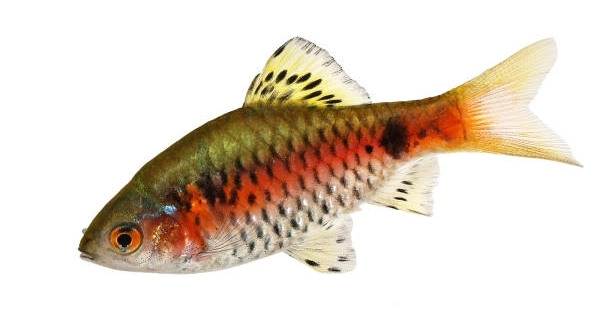
Have you ever noticed your rosy barbs acting differently as they grow, leaving you unsure if their tank still suits them?
When rosy barbs outgrow their tank, it often leads to stunted growth, aggression, and increased stress. These fish require ample space to swim and thrive. An undersized tank compromises their health, water quality, and overall well-being.
Recognizing these signs early helps protect your fish from long-term issues and creates a healthier, more spacious environment for them to thrive.
Why Tank Size Matters for Rosy Barbs
Rosy barbs are active swimmers and thrive best in spacious environments. When they’re kept in a tank that’s too small, their growth slows down and their behavior often changes. They may become territorial or start nipping at other fish. Over time, poor water quality and stress can also impact their immune system. These fish need enough space to swim freely and to interact with others of their kind. A tank that’s under 30 gallons is generally too small for a group. Adding plants and hiding spots is helpful, but space is still the key to their well-being.
Keeping rosy barbs in a small tank limits their movement, which leads to frustration and stress-related issues.
When rosy barbs don’t have enough room, you’ll notice changes in their behavior and appearance. Their colors may fade, they may eat less, or swim in odd patterns. These are signs of discomfort. A properly sized tank, ideally 30 gallons or more, lets them grow to their full size and behave naturally. Their energy and bright colors return when they’re in the right environment. Giving them proper space also keeps the tank’s water conditions more stable. A crowded tank builds up waste quickly and requires more frequent cleaning, which can become overwhelming over time.
Signs Your Rosy Barbs Are Outgrowing the Tank
Faded color, chasing other fish, and reduced appetite often mean your tank isn’t big enough anymore.
Outgrowing the tank doesn’t happen overnight. As rosy barbs mature, they grow larger and require more space than they did as juveniles. If the tank becomes too crowded, you may see them nipping fins, hiding more often, or showing signs of stress. You might also notice algae growing faster due to increased waste, or filters clogging more frequently. Their fins might appear frayed or damaged from constant swimming in limited space. These are small signs that point to a bigger problem. If their behavior seems off or they’re not as lively as before, it’s likely time to upgrade their tank. Moving them to a larger tank with better water flow and more swimming room improves both their physical health and overall behavior. Making this change early helps avoid long-term damage and allows your rosy barbs to live healthier, more natural lives.
How a Small Tank Impacts Their Health
A small tank creates constant stress, which weakens your rosy barbs’ immune system. Over time, this can lead to infections, fin rot, or swim bladder problems. Poor water quality also builds up faster in smaller tanks.
Stress from overcrowding makes them more aggressive and less active. You might see them hiding more often, chasing tank mates, or refusing food. These behaviors often show up before any physical symptoms appear. Dirty water from waste buildup causes ammonia spikes, which harm their gills and organs. Without enough space to swim, their muscles weaken and their overall fitness drops. In worst cases, they become lethargic and more prone to disease. You may also notice ragged fins or slow-healing wounds. A larger tank reduces stress by keeping water cleaner and giving each fish room to move naturally, which helps prevent these health issues before they take hold.
If your fish seem dull or sickly, the tank size is likely part of the problem. Even frequent water changes won’t solve the root cause if the tank is too small. Small tanks make it harder to maintain stable water conditions, which directly affects fish health. Once they’re moved to a larger setup, most fish show clear improvement in energy, appetite, and coloration. With more space to swim, they return to their usual patterns and even become more social. A bigger tank also means fewer ammonia spikes and easier filtration. The change may seem simple, but it plays a big role in your rosy barbs’ long-term health and behavior.
When and How to Upgrade Their Tank
Rosy barbs need more space as they grow. Once they reach about 2 inches long or start acting territorial, it’s time to upgrade. Moving them earlier rather than later prevents behavior changes and supports their full development.
Start by choosing a tank that’s at least 30 gallons if you have a small group. Go even bigger if your group is larger than four. Use a filter that can handle the increased bioload and add live plants to offer natural shelter. When upgrading, transfer their old filter media to the new tank to keep helpful bacteria. Match the temperature and pH of the water before moving the fish to avoid stress. Gradually introduce them to their new home using a drip acclimation method or slow netting. After the move, give them a day or two to settle in quietly with minimal light and feeding. You’ll notice improved activity and stronger colors quickly.
What to Avoid During the Upgrade
Avoid transferring all the old tank water into the new setup. It often carries built-up waste that can disturb the new tank’s balance. Use only a portion of it along with clean, dechlorinated water.
Don’t rush the fish into their new tank. A sudden change in water parameters can stress them. Take your time.
Choosing the Right Tank Mates
Rosy barbs are semi-aggressive, especially in smaller spaces, but they do well in peaceful communities when they have enough room. Avoid pairing them with slow-moving or long-finned fish like bettas or angelfish. Instead, go for other fast, active species such as danios, tetras, or loaches. Keep them in groups of five or more to reduce aggression within the group. Always research the specific needs of new tank mates and check for compatibility in terms of temperature, diet, and swimming habits. A well-matched tank encourages social behavior and keeps stress levels low for all the fish involved.
Maintenance Tips for a Larger Tank
Clean the tank weekly by removing debris and replacing 25% of the water. Regularly check the filter and monitor ammonia and nitrate levels.
FAQ
Can rosy barbs live in a 10-gallon tank?
A 10-gallon tank is too small for rosy barbs. These fish grow up to 6 inches and are very active swimmers. A small tank restricts their movement and causes stress. It also makes maintaining water quality harder. For a small group of rosy barbs, a minimum of 30 gallons is recommended. Larger tanks allow for better filtration, less aggression, and more stable conditions. While young rosy barbs may survive in a 10-gallon temporarily, they will quickly outgrow it. Long-term housing in a small tank leads to stunted growth and poor health outcomes.
How many rosy barbs should be kept together?
Rosy barbs are social and do best in groups of at least five. Keeping them in a group reduces stress and helps prevent aggressive behavior. When kept alone or in pairs, they may become territorial or act out. A small group encourages natural schooling behavior and creates a more peaceful tank environment. If the group is too small, they may become skittish or overly dominant. Make sure your tank size supports the number of fish—crowding will only cause more problems. For every two additional barbs, add about 5 extra gallons of tank space to keep things balanced.
Do rosy barbs get aggressive in small tanks?
Yes, rosy barbs often become more aggressive in cramped environments. When they lack space to swim or proper group dynamics, they may chase or nip at tank mates. This behavior usually eases once they have enough room and are placed with suitable companions. Adding hiding spots or plants doesn’t fix the issue if the tank is too small. Aggression in small tanks is often tied to frustration and stress, not personality. Moving them to a larger tank with more swimming space usually reduces this problem and helps restore calm behavior in the aquarium.
How fast do rosy barbs grow?
Rosy barbs grow quickly under the right conditions. With proper food, clean water, and enough space, they can reach about 2 inches within the first few months. Full adult size is around 5 to 6 inches and may take up to a year. Growth slows down if the tank is too small, if they’re overcrowded, or if water quality isn’t well maintained. Providing high-protein food and a low-stress environment helps them grow at a healthy rate. If your fish seem small for their age, check your tank size and review your feeding and cleaning routine.
What happens if I wait too long to upgrade the tank?
Waiting too long to upgrade your tank can lead to long-term health issues for your rosy barbs. They may stop growing properly, develop infections more easily, or act unusually aggressive. Water quality will also decline faster in a small tank, making it harder to manage. Over time, stress and ammonia exposure can shorten their lifespan. Once problems start, fixing them becomes more difficult. Upgrading earlier avoids these risks and helps your fish stay active and colorful. Making the switch before issues appear is better than reacting to stress-related symptoms after damage has already been done.
Is it hard to maintain a larger tank?
A larger tank may seem like more work, but it’s often easier to maintain than a small one. Bigger tanks provide more water volume, which means waste is more diluted and chemical changes happen more slowly. That gives you more time to catch and fix problems before they get serious. Filters work more efficiently in a larger space, and stable water parameters reduce stress on the fish. You’ll still need to do regular water changes and cleaning, but the tank will be more forgiving if you miss a day or two. Overall, large tanks create a healthier, more stable setup.
Do rosy barbs need plants or decorations?
Rosy barbs appreciate a well-decorated tank with live or artificial plants, rocks, and hiding spaces. While they’re active swimmers and like open areas, decorations help them feel secure and reduce stress. Plants also improve water quality by absorbing waste and offering shaded spots. Choose hardy plants like java fern or anubias, as rosy barbs can be rough with delicate ones. Just remember that decorations don’t replace the need for space. They’re a useful addition, but not a solution to overcrowding. A balanced layout with both open swimming areas and hiding spots works best for rosy barbs.
Final Thoughts
Rosy barbs are active, social fish that need enough space to grow, swim, and interact without stress. Keeping them in a tank that’s too small leads to behavior issues, poor health, and extra work for you. It’s easy to underestimate how much space they really need, especially when they’re young and small. But once they start to grow and show signs of stress, the problems can add up quickly. Giving them enough room from the start helps them stay healthy and makes caring for them easier in the long run. A spacious, well-maintained tank brings out their natural energy, bright colors, and peaceful behavior.
It’s not just about size—tank setup, water quality, and compatible tank mates all matter too. A larger tank supports better filtration and stable water conditions, which lowers the risk of illness. It also gives you more flexibility with planting and decoration, creating a more natural and comfortable space for your fish. Rosy barbs enjoy swimming in open areas but also need places to explore and rest. Adding live plants, rocks, or driftwood helps reduce stress and gives them a more enriching environment. When your tank setup matches their needs, they’re more likely to thrive and show their best behavior.
Taking the time to plan ahead and understand your rosy barbs’ space requirements can make a big difference. It prevents future issues and gives your fish a better quality of life. A larger tank may seem like more effort at first, but it actually saves time and trouble later by keeping your fish healthier and your water conditions more stable. Watching your rosy barbs swim confidently and interact calmly is a clear sign you’ve made the right choices. As long as you provide the right tank size, regular care, and a balanced setup, your rosy barbs can live long, active, and colorful lives.

Hello,
If you enjoy the content that we create, please consider saying a "Thank You!" by leaving a tip.
Every little bit helps us continue crafting quality advice that supports the health, happiness, and well-being of pets around the world, for pets of all shapes, sizes, and species.
We really appreciate the kindness and support that you show us!