
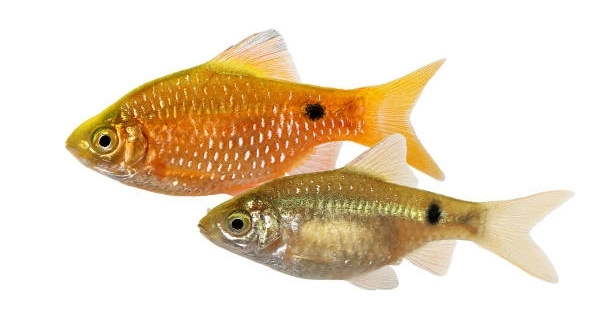
Rosy barb disease is a common issue affecting many aquarium owners who keep rosy barbs. It can cause stress and illness in these fish, often leading to poor tank conditions if left untreated. Understanding what invites this disease helps keep your fish healthy.
Seven specific tank conditions invite rosy barb disease, including poor water quality, overcrowding, sudden temperature changes, inadequate filtration, lack of regular maintenance, stressed fish from incompatible tank mates, and insufficient nutrition. These factors create an environment where the disease thrives and spreads quickly.
Knowing these key conditions helps you protect your rosy barbs and maintain a balanced, healthy aquarium environment for your aquatic pets.
Poor Water Quality
Poor water quality is one of the main reasons rosy barb disease appears in aquariums. When ammonia, nitrite, or nitrate levels rise, fish become stressed and more vulnerable to infections. Dirty water can also carry harmful bacteria and parasites that cause the disease. Without regular water changes, waste builds up quickly. This creates an unhealthy environment where pathogens thrive. It is important to test water regularly and keep it clean. Using a good filtration system helps remove toxins and maintain balance. Keeping the water within the right pH and temperature range also supports fish health. Many hobbyists overlook this simple step, but it’s essential for preventing disease.
Water quality directly impacts the health and immune system of rosy barbs, making it a top factor in disease prevention.
Maintaining clean water means regular partial water changes and monitoring tank parameters closely. A weekly change of 20-30% of the water keeps the tank stable. Using a quality water conditioner removes chlorine and chloramine, which are harmful to fish. Also, avoid overfeeding, as leftover food decomposes and pollutes the water. Cleaning the substrate and decorations helps reduce waste buildup. Keeping the tank environment clean reduces stress and keeps fish strong against disease. Regular water testing with kits designed for aquariums gives quick feedback. This way, you can take action before conditions worsen. Healthy water is the foundation for preventing rosy barb disease and keeping your fish lively and active.
Overcrowding
Overcrowding happens when too many fish live in a tank that is too small. This leads to more waste and stress. Stress weakens fish and makes it easier for diseases to spread. Overcrowded tanks also mean fish have less space to swim and hide, increasing aggression.
Having fewer fish in a properly sized tank reduces stress and lowers the chance of disease.
Overcrowding creates competition for oxygen and food, which can leave some fish weak and vulnerable. When fish are cramped, their natural behaviors are disrupted, causing more stress. Stress impacts the immune system, making it hard for rosy barbs to fight infections. In crowded tanks, parasites and bacteria pass between fish quickly. This allows rosy barb disease to spread fast, affecting the whole tank. To avoid this, follow guidelines for tank size and fish numbers. A 20-gallon tank is good for about 6 rosy barbs. Adding too many fish causes poor water quality and makes disease outbreaks more likely. Proper stocking and good care are key to a healthy tank.
Sudden Temperature Changes
Sudden temperature changes shock rosy barbs and weaken their immune system. These shifts can happen when tank heaters malfunction or when room temperature fluctuates a lot. Stable temperature is important to keep fish healthy and disease-free.
A constant temperature between 72°F and 78°F suits rosy barbs best. Rapid drops or spikes stress fish and make them more likely to catch diseases. When temperature changes, their metabolism struggles to adjust, leading to vulnerability. Using a reliable heater with a thermostat helps maintain steady warmth. Avoid placing tanks near windows, heaters, or air conditioners to reduce sudden changes. Monitoring temperature daily with a thermometer is a simple habit that protects your fish. Gradual adjustments in temperature, if needed, are safer than quick shifts.
Keeping temperature stable supports your fish’s natural defenses. It also prevents conditions that let rosy barb disease take hold.
Inadequate Filtration
Inadequate filtration allows waste and toxins to build up in the tank, harming fish health. Without proper filtration, harmful substances stay in the water, stressing rosy barbs and encouraging disease growth.
A good filter removes physical debris and breaks down ammonia and nitrites through biological filtration. This keeps water clear and safe. Filters also help maintain oxygen levels, which fish need to thrive. Choosing the right filter depends on tank size and fish population. Over-filtering can cause strong currents that stress fish, so balance is important. Regular cleaning of filter media prevents clogging and keeps it working efficiently. Neglecting filtration increases the risk of poor water quality and disease outbreaks. Proper filtration is key for a healthy and stable tank environment.
Lack of Regular Maintenance
Skipping regular tank maintenance allows waste and harmful bacteria to build up. This creates a perfect environment for rosy barb disease to develop. Consistent care is essential for keeping fish healthy.
Regular tasks include water changes, cleaning the substrate, and checking equipment. Ignoring these can quickly lead to poor water conditions and stressed fish.
Stressed Fish from Incompatible Tank Mates
Stress from aggressive or incompatible tank mates weakens rosy barbs’ immune systems. Constant bullying or competition for food causes ongoing tension. This stress makes them more prone to infections, including rosy barb disease.
Choosing peaceful companions that share similar water needs reduces stress and helps keep the tank peaceful.
Insufficient Nutrition
Poor diet weakens fish, making them less able to fight disease. Feeding only one type of food can cause nutrient deficiencies. Balanced meals with quality flakes, pellets, and occasional live or frozen food support their health and immune system.
Overfeeding
Overfeeding leads to leftover food that pollutes the tank. Excess waste increases toxins, stressing fish and encouraging disease growth. Feeding small amounts once or twice daily is enough for rosy barbs to stay healthy.
What causes rosy barb disease?
Rosy barb disease is caused mainly by poor tank conditions that weaken the fish’s immune system. Stress from dirty water, sudden temperature changes, overcrowding, or aggressive tank mates makes fish vulnerable. Parasites, bacteria, and fungal infections then take advantage of the weakened fish, causing the disease.
How can I tell if my rosy barbs have this disease?
Common signs include faded or dull coloring, clamped fins, slow swimming, and loss of appetite. You might see white spots, redness, or sores on their bodies. Infected fish often isolate themselves or stay at the bottom of the tank, showing signs of discomfort or lethargy.
Can rosy barb disease be treated?
Yes, with prompt action. Improving water quality and maintaining stable tank conditions are the first steps. Medication like anti-parasitic or antibacterial treatments may be necessary, depending on the infection. Quarantining sick fish helps prevent spread. Early treatment increases the chances of recovery.
How often should I change the water to prevent disease?
A weekly partial water change of 20-30% is ideal. This removes waste and toxins that build up naturally. Avoid changing all the water at once, as it can stress fish. Regular water changes keep the environment clean and healthy.
Is tank size important for rosy barb health?
Yes, tank size directly affects fish health. Rosy barbs need space to swim freely. A 20-gallon tank suits about six rosy barbs. Overcrowding stresses fish and worsens water quality, which can lead to disease outbreaks.
What is the best diet for rosy barbs to avoid disease?
A varied diet with high-quality flakes or pellets, supplemented by live or frozen foods like brine shrimp or bloodworms, supports strong immune systems. Avoid overfeeding; feed small portions once or twice a day. Good nutrition helps prevent disease.
How do temperature changes affect rosy barbs?
Sudden shifts in temperature shock fish and weaken their defenses. Keeping the tank between 72°F and 78°F with a stable heater reduces stress. Avoid placing the tank near drafts or heat sources that cause fluctuations.
Should I use a filter in my rosy barb tank?
Yes, a good filtration system is essential. It removes waste, toxins, and keeps water clear and oxygenated. Proper filtration helps maintain water quality, reducing the chance of disease. Clean the filter regularly to keep it working well.
Can incompatible tank mates cause rosy barb disease?
Indirectly, yes. Aggressive or territorial fish stress rosy barbs by constant harassment or competition for food. Stress weakens the immune system, making fish more vulnerable. Choose peaceful tank mates with similar care needs.
What regular maintenance tasks help prevent disease?
Weekly water changes, substrate vacuuming, filter cleaning, and equipment checks are crucial. Remove uneaten food promptly and test water parameters regularly. Keeping the tank clean reduces stress and lowers disease risk.
Is quarantine necessary for new fish?
Yes, quarantining new fish for two weeks prevents introducing diseases. This allows observation and treatment if needed before adding fish to the main tank. Quarantine protects your established fish population.
Can overfeeding cause rosy barb disease?
Indirectly, yes. Overfeeding leads to uneaten food decomposing in the tank, increasing waste and toxins. Poor water quality stresses fish, making them prone to disease. Feed only what fish can eat in a few minutes.
How can I reduce stress in my rosy barb tank?
Maintain stable water conditions, avoid overcrowding, choose compatible tank mates, and provide hiding places with plants or decorations. Stress-free fish are healthier and less likely to get sick.
What should I do if I see signs of disease?
Immediately test water quality and correct any issues. Remove sick fish to a quarantine tank if possible. Start appropriate treatment based on symptoms. Acting quickly helps prevent the disease from spreading and harming more fish.
Are there any natural ways to prevent rosy barb disease?
Maintaining excellent water quality and feeding a balanced diet are the best natural defenses. Avoid overcrowding and reduce stress by choosing peaceful tank mates. Healthy fish resist disease better without relying on chemicals.
Keeping these points in mind makes caring for rosy barbs easier and helps avoid the common problems that lead to disease. Regular attention and proper care create a safe, healthy home for your fish.
Taking care of rosy barbs requires attention to several important factors that help keep them healthy and free from disease. The conditions in the tank, like clean water, stable temperature, and proper tank size, play a big role in preventing rosy barb disease. When these basics are kept in check, fish are less stressed and their immune systems stay strong. Stress is often the main reason fish get sick, so creating a calm and balanced environment is essential. Small daily habits, like checking water quality and feeding the right amount, can make a big difference in the long run.
Disease prevention is easier than treatment, so staying ahead of problems is key. Regular maintenance, including water changes and cleaning the filter, helps remove waste and toxins that can harm fish. Choosing peaceful tank mates and avoiding overcrowding lowers stress, giving rosy barbs a better chance to thrive. Watching your fish closely for early signs of illness means you can act quickly if something goes wrong. Early detection and response often save fish from serious health issues. Even if disease appears, improving water quality and providing proper care supports recovery.
Overall, keeping rosy barbs healthy takes a steady routine and careful attention to tank conditions. There is no single fix for rosy barb disease, but managing the factors that invite it is the best defense. Understanding what your fish need and providing a stable home allows them to live longer, healthier lives. Simple steps like regular cleaning, balanced feeding, and stable temperature help protect against common diseases. With patience and care, you can enjoy a beautiful and lively aquarium full of happy rosy barbs.

Hello,
If you enjoy the content that we create, please consider saying a "Thank You!" by leaving a tip.
Every little bit helps us continue crafting quality advice that supports the health, happiness, and well-being of pets around the world, for pets of all shapes, sizes, and species.
We really appreciate the kindness and support that you show us!