
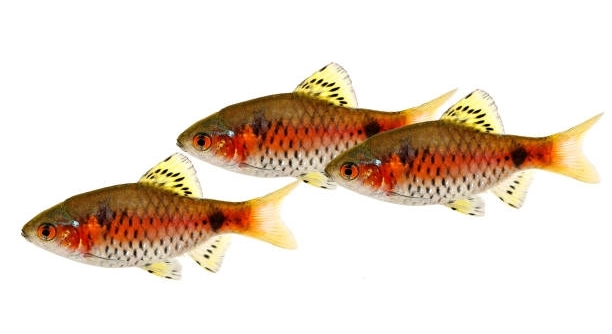
Rosy Barbs are popular fish that add bright color to home aquariums. Many enjoy their lively nature and easy care. However, keeping them comes with some hidden risks that may affect both the fish and their environment.
Seven hidden dangers in Rosy Barb decor include sharp edges on decorations causing injuries, poor water quality from excessive algae growth, and stress from overcrowded tanks. These issues can harm fish health and disrupt tank balance if not properly managed.
Knowing about these hidden dangers can help you create a safer and healthier home for your Rosy Barbs and keep your aquarium looking beautiful.
Sharp Edges on Decorations
Sharp edges on aquarium decorations can easily injure Rosy Barbs. These fish like to swim actively and explore their environment, but rough or broken decorations may cause cuts or scrapes. Even small wounds can lead to infections if left untreated. It is important to check all decorations carefully before placing them in the tank. Smooth, rounded ornaments or natural materials like driftwood are safer choices. Regular maintenance to remove broken parts also helps prevent accidents. Fish with injuries may become stressed and more vulnerable to disease, so avoiding hazards in their surroundings improves their health and comfort. Many common store-bought decorations can have hidden sharp points, so a careful inspection is always a good practice.
Maintaining safe decorations reduces injury risks and keeps Rosy Barbs happier and healthier in their tank environment.
Choosing soft, smooth tank decor enhances fish wellbeing and creates a peaceful swimming space. Avoid materials that chip or break easily.
Algae Growth and Water Quality
Excessive algae growth in a tank can degrade water quality, affecting Rosy Barbs’ health. Algae use nutrients in the water, which can cause oxygen levels to drop, especially at night. This oxygen depletion stresses fish and may lead to breathing difficulties. Algae can also cloud the water, reducing light penetration and making the tank look unhealthy. Controlling algae starts with limiting excess light and managing feeding amounts, as leftover food fuels algae growth. Regular water changes and cleaning tank surfaces remove algae buildup. Using live plants that compete for nutrients can also reduce algae growth. Monitoring water parameters like ammonia, nitrites, and nitrates is key to maintaining a balanced environment. Clean, stable water conditions promote the longevity and vitality of your Rosy Barbs, preventing health issues linked to poor water quality.
Overcrowding in the Tank
Too many Rosy Barbs in one tank causes stress and poor water quality. They need space to swim freely and maintain good health.
Overcrowding increases waste production, leading to faster buildup of harmful substances like ammonia and nitrites. This creates an unhealthy environment, which can weaken fish immune systems and increase disease risk. When space is limited, aggressive behavior may rise as well, causing injuries among the fish. Each Rosy Barb requires at least two gallons of water, so planning tank size and stocking levels carefully is important. A balanced number of fish helps maintain clean water and peaceful interactions, improving overall tank health.
Proper stocking keeps water parameters stable and fish calmer. Crowded tanks make it harder to manage cleanliness and fish wellbeing.
Stress from Poor Tank Conditions
Stress from unstable water conditions reduces Rosy Barbs’ resistance to illness. Sudden changes in temperature or pH cause discomfort and affect their behavior.
Maintaining consistent water temperature between 64–72°F is crucial. Frequent fluctuations can shock the fish and suppress their appetite. Similarly, keeping pH levels steady, ideally between 6.5 and 7.5, prevents stress caused by sudden shifts. Poor filtration or irregular water changes worsen these issues, as toxins accumulate quickly. Stress makes Rosy Barbs more vulnerable to infections and less active, impacting their lifespan. Monitoring water parameters regularly and performing routine maintenance can create a stable environment, helping fish thrive with less anxiety and better health.
Incompatible Tank Mates
Rosy Barbs can become stressed or injured when kept with aggressive or much larger fish. Choosing peaceful companions is important.
Avoid placing Rosy Barbs with overly territorial or fin-nipping species. Calm, similarly sized fish make better tank mates, helping maintain a peaceful environment.
Uneven Tank Temperature
Temperature fluctuations affect Rosy Barbs’ metabolism and immune system. Consistent warmth supports their energy and disease resistance.
Using a reliable heater and thermometer ensures the water stays within the ideal temperature range, preventing sudden changes that harm the fish.
Poor Diet Choices
Feeding Rosy Barbs an unbalanced diet can weaken their health and color. A varied diet supports growth and vitality.
What causes injuries in Rosy Barbs?
Injuries usually come from sharp or rough decorations in the tank. Rosy Barbs swim actively and may scrape against broken or jagged edges, causing cuts. These wounds can get infected if not noticed early. It’s important to choose smooth decor and inspect items regularly to keep the tank safe.
How can I control algae growth?
Algae grow quickly when the tank gets too much light or when excess food is left uneaten. Limiting tank lighting to about 8–10 hours a day helps. Feeding only what the fish can eat prevents leftover food, which fuels algae. Regular cleaning and water changes also keep algae in check.
Why is overcrowding a problem for Rosy Barbs?
Too many fish in one tank means less swimming space and more waste. This leads to poor water quality, which stresses fish and raises disease risk. Each Rosy Barb needs enough room—ideally two gallons per fish—to stay healthy and reduce aggressive behavior.
What water temperature is best for Rosy Barbs?
Rosy Barbs thrive between 64°F and 72°F. Temperatures outside this range can cause stress and weaken their immune systems. Using a heater and thermometer helps keep water stable and comfortable for the fish.
What should I feed Rosy Barbs?
A balanced diet of flakes, pellets, and occasional live or frozen foods like brine shrimp supports their health and color. Avoid feeding only one type of food. Variety ensures they get all the nutrients needed for growth and vitality.
How often should I clean the tank?
Partial water changes of 20–30% every one to two weeks keep water quality high. Cleaning decorations and removing algae regularly prevent buildup of harmful substances. Proper maintenance reduces stress on fish and keeps the tank environment stable.
Can Rosy Barbs live with other fish?
Yes, but tank mates should be peaceful and similar in size. Avoid aggressive or fin-nipping species, which can harm Rosy Barbs. Good companions include other barbs, danios, or small peaceful tetras.
What signs show that Rosy Barbs are stressed?
Signs include erratic swimming, hiding often, loss of appetite, or faded colors. Stress can come from poor water quality, overcrowding, or sudden changes in temperature or pH. Monitoring behavior helps catch problems early.
How do I prevent disease in Rosy Barbs?
Maintaining clean water, stable temperature, and a balanced diet are key. Quarantining new fish before adding them to the tank also prevents spreading illnesses. Early treatment is important if you notice unusual spots, swelling, or lethargy.
Is it necessary to test water regularly?
Yes, testing for ammonia, nitrites, nitrates, and pH ensures the tank environment stays safe. Regular checks allow early correction of problems before fish get sick. Reliable test kits are affordable and easy to use at home.
How can I reduce stress in Rosy Barbs?
Provide enough space, keep water stable, and avoid overcrowding. Use calm tank mates and gentle lighting. Adding plants and hiding spots gives fish comfort and reduces anxiety, promoting healthier behavior.
What happens if water parameters fluctuate suddenly?
Sudden changes shock the fish, lowering their immunity and causing stress. This can lead to illness or death if persistent. Keeping temperature, pH, and chemical levels steady is essential for a healthy aquarium.
Can decorations affect fish health?
Yes, unsafe materials like sharp plastics or metals can injure fish or leach harmful chemicals. Choosing natural or aquarium-safe decor protects Rosy Barbs and helps maintain water quality.
How do I choose the right tank size?
A minimum of 20 gallons is recommended for a small group of Rosy Barbs. This provides enough swimming space and helps keep water parameters stable. Larger tanks reduce stress and make maintenance easier.
What is the ideal pH for Rosy Barbs?
A pH between 6.5 and 7.5 suits Rosy Barbs best. Outside this range, fish may become stressed or sick. Regular testing and adjustments help maintain proper water chemistry.
How can I tell if my fish are eating enough?
Healthy Rosy Barbs will eagerly eat at feeding time and maintain good body shape. If they lose weight, hide, or ignore food, they might be stressed or ill. Adjust feeding amounts and monitor closely to keep them well-nourished.
Should I use live plants with Rosy Barbs?
Yes, live plants improve water quality by absorbing nutrients and provide hiding places, reducing stress. Choose sturdy plants since Rosy Barbs can nibble on soft leaves sometimes.
How to handle fin-nipping behavior?
Fin-nipping often results from overcrowding or stress. Ensuring enough space, peaceful tank mates, and hiding spots helps reduce this behavior. Removing aggressive fish if necessary protects your Rosy Barbs.
What are the signs of poor water quality?
Cloudy water, unpleasant smells, algae overgrowth, and fish gasping at the surface indicate poor water conditions. Regular testing and cleaning prevent these issues and keep fish healthy.
Is it safe to keep Rosy Barbs alone?
Rosy Barbs are schooling fish and prefer groups of five or more. Alone, they may become stressed and shy. Group living encourages natural behavior and happier fish.
Taking care of Rosy Barbs means paying attention to several small but important details. These fish bring color and life to an aquarium, but certain hidden dangers can affect their health and happiness. Things like sharp decorations, overcrowding, algae growth, and unstable water conditions may seem minor at first but can cause serious problems if ignored. Knowing about these risks helps create a safer and more comfortable space for the fish. With proper care, your Rosy Barbs will be active, colorful, and less prone to stress or illness.
It is important to regularly check your tank for potential hazards. Inspect decorations for sharp edges and replace any damaged items. Keep the tank clean by controlling algae growth and performing regular water changes. Avoid overfeeding to reduce leftover food that can harm water quality. Maintaining stable temperature and pH levels protects your fish from unnecessary stress. Also, keep the number of fish appropriate for your tank size to prevent overcrowding. Each of these steps contributes to a balanced environment where Rosy Barbs can thrive.
Finally, pay attention to your fish’s behavior and appearance. Changes like dull colors, hiding, or lack of appetite often indicate stress or health issues. Early action can prevent many common problems before they become serious. Feeding a varied and nutritious diet supports their well-being. Choosing compatible tank mates also helps reduce conflicts and injuries. Taking these precautions creates a peaceful aquarium where Rosy Barbs live long, healthy lives and brighten your home with their lively presence.

Hello,
If you enjoy the content that we create, please consider saying a "Thank You!" by leaving a tip.
Every little bit helps us continue crafting quality advice that supports the health, happiness, and well-being of pets around the world, for pets of all shapes, sizes, and species.
We really appreciate the kindness and support that you show us!