
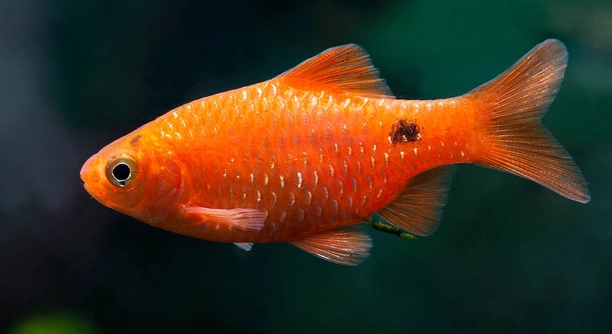
Are your rosy barbs spending more time together and acting a bit differently than usual in your aquarium setup?
A bonded pair of rosy barbs will typically display synchronized swimming, frequent companionship, mutual grooming, shared territory defense, increased color vibrancy, and consistent mating behavior, all of which signal a strong pair bond.
Recognizing these signs can help you maintain a healthy tank environment and support the natural behavior of your fish.
They Swim Side by Side Often
When a rosy barb pair has bonded, they tend to swim close to each other most of the time. This behavior is easy to notice, especially if they keep the same pace and direction. It’s different from random schooling or group swimming. Instead, their movement is more intentional, like they’re comfortable and trusting of one another. Bonded pairs often mirror each other’s motions, weaving through plants and decorations together. They may also stay near the same area of the tank for long periods, especially if it’s a quiet or sheltered spot. This close proximity isn’t forced—it’s chosen. If one fish swims away, the other may quickly follow. It’s a clear signal that they feel safe and connected. This behavior becomes stronger over time as their bond deepens.
Staying close together like this is one of the first clues hobbyists usually notice when observing a potential pair.
Once you’ve seen this kind of consistent swimming pattern, it’s helpful to pay attention to other subtle actions. Bonded rosy barbs may brush fins or take turns circling one another, showing growing trust. These signs often develop naturally without interference. Observing them without disrupting their space allows the bond to grow stronger. You may even spot playful chases that stay gentle and short. These chases usually end with both fish pausing in a calm spot. Over time, the bond becomes clear through their peaceful and cooperative swimming, even when other fish are nearby. They no longer treat each other as competition but as partners, showing patience and awareness of one another’s movements.
They Groom Each Other Gently
A bonded pair of rosy barbs will sometimes engage in light grooming, gently nibbling at each other’s scales or fins in a calm and careful way.
This grooming is not aggressive or persistent. It’s brief and gentle, often focused on hard-to-reach areas like behind the gills or at the edge of a fin. You may see one barb approach the other slowly, give a few small nibbles, and then back off. The other fish does not swim away or show signs of stress, which tells you it’s welcome. Grooming is believed to reduce minor irritations and strengthen their connection. In some cases, this behavior appears after a feeding session or when the tank is calm and quiet. It may not happen every day, but when it does, it’s a strong indicator of mutual trust. Grooming also shows that the fish are comfortable in their environment and feel safe enough to interact in this gentle way without needing to stay alert or defensive.
They Guard the Same Spot
Bonded rosy barbs will often stay near one area of the tank and guard it together. This shared space usually includes plants, rocks, or soft substrate where they feel safe and comfortable.
When a pair chooses a common spot, they begin to show mild territorial behavior. They may gently chase away other fish that come too close, not out of aggression but as a way to protect their shared area. This space can become a resting zone or even a potential spawning site. Both fish usually take turns circling it, staying nearby, and keeping watch. It’s also common to see them rest close together in this spot during quieter hours. If the tank has hiding areas, bonded pairs may use the same ones repeatedly, even when they have other options. This behavior shows that they’ve formed a connection strong enough to include shared responsibilities.
The guarding behavior can appear even in a community tank. While rosy barbs are typically peaceful, bonded pairs will mark a section of the tank as “theirs” by their frequent return to it. The pair may show gentle signs of warning toward other fish but rarely become aggressive. If you see this happening regularly, especially with both fish involved, it’s a strong clue that they’ve become partners. They rely on each other not just for companionship, but also for maintaining a small part of their environment. When other fish move through their chosen spot, you may see them return shortly after, swimming side by side as they check that everything is still in place.
Their Colors Become Brighter
Bonded rosy barbs often show brighter and more vivid colors, especially during calm moments or when they’re near each other. This change is a natural sign of comfort, safety, and overall health.
This brightness tends to be more noticeable in males, but females can show it too. A bonded male might display stronger red or pink shades, while the female may take on a more golden tone. These color shifts are subtle but clear when you observe the pair often. In bonded pairs, the color vibrancy is not linked to stress or illness but rather to stable, positive conditions. The fish are comfortable with each other, which reduces tension and allows natural colors to come through. Proper lighting and clean water help this too, but the presence of a bond often brings out the clearest tones. Their brighter appearance can also signal readiness for mating, especially if followed by courtship behaviors.
They Eat Calmly Together
When rosy barbs are bonded, they often eat close together without fighting over food. Instead of chasing or nipping, they stay relaxed and take turns at the feeding spot.
This calm behavior stands out if you’ve seen other fish compete during feeding. Bonded pairs show patience and wait their turn without stress.
They Show a Gentle Chase
A light, playful chase is common in bonded pairs. One fish may dart ahead while the other follows, but it doesn’t last long or turn aggressive. These chases often end with both fish returning to their usual spot together, showing comfort and trust rather than tension or dominance.
They Display Mating Signs
Bonded rosy barbs often display early mating behavior. The male might circle the female gently or swim in short zig-zag patterns near her. If she accepts the attention, they may both stay close to soft plant areas, especially in the early morning. This behavior usually repeats over days and may lead to egg laying.
FAQ
How long does it take for rosy barbs to bond as a pair?
Bonding time can vary depending on the environment and the individual fish. Some pairs form a connection within a few weeks, especially if they’re kept in a calm, stable tank with good water conditions. Others may take longer, even up to a couple of months. The process is usually gradual. You’ll notice early signs like swimming together or resting near each other. Over time, these behaviors become more consistent. Providing hiding spots, gentle lighting, and a stress-free space helps support the bond. Rushing the process or separating the fish can interrupt this natural connection.
Can two males or two females bond in the same way?
Same-sex rosy barbs may show friendly behaviors like swimming near each other or feeding peacefully, but it’s not the same as a bonded breeding pair. True pairing includes signs like mild territorial behavior, gentle chasing, and mating displays, which usually only happen between a male and a female. That said, some same-sex pairs may develop a kind of companionship in the absence of other fish. These friendships can look similar on the surface, but they usually lack the shared guarding, grooming, and courtship behaviors that show a stronger pair bond.
Do bonded rosy barbs always stay together for life?
Rosy barbs are not known for long-term monogamy. A bonded pair can stay close for a long time, especially in a peaceful tank. But they may separate or re-pair if the tank dynamics shift, if one fish becomes stressed, or if new fish are introduced. A male might show interest in a different female if she appears more dominant or active. Still, many pairs do stay bonded for months or longer when left undisturbed. A stable setup with minimal changes usually helps them maintain their connection longer, but nothing is guaranteed with fish behavior.
How can I tell if my pair is bonded and not just comfortable tank mates?
The difference is in the consistency and depth of behavior. Bonded pairs will not only swim close and feed calmly together, but they’ll also guard one spot, display bright colors, and show gentle chasing or grooming. Tank mates might stick together for short periods, but they don’t show all these behaviors regularly. If you see repeated interactions like circling each other, spending time near plants, or guarding the same area for several days or weeks, it’s likely more than just comfort—it’s a bond. These signs tend to happen daily and don’t fade quickly.
Should I separate a bonded pair from the rest of the tank?
It depends on your goals. If you’re trying to breed them, moving the pair to a separate tank may help encourage spawning. A smaller, quiet tank with fine plants or spawning mops can increase the chance of eggs being laid and protected. However, if you’re not interested in breeding, and the main tank is peaceful, there’s no need to separate them. Just make sure other fish aren’t causing stress or competition. If the bonded pair starts showing strong territorial signs or looks stressed around tank mates, it may help to give them their own space.
Is grooming ever a sign of illness or parasites instead?
Occasionally, yes. If one fish is grooming another too often or too aggressively, it could be trying to remove parasites or reacting to skin irritation. Healthy grooming between bonded fish is soft, short, and mutual. But if you see constant pecking, torn fins, or signs of stress, it might be something else. Check for flashing (rubbing against objects), white spots, or changes in swimming patterns. In those cases, it’s best to rule out health problems first. Balanced grooming between a bonded pair is calm, happens occasionally, and doesn’t leave damage.
Do bonded rosy barbs need special care?
Not really, but they do benefit from a stable environment. Keep the tank clean, avoid overcrowding, and give them space to interact naturally. Use plants or decorations to create calm areas where they can swim or rest together. Avoid sudden changes in lighting, water temperature, or tank mates. When cared for properly, bonded pairs often become more active, colorful, and peaceful. Watching their behaviors can also help you catch early signs of stress or illness, since bonded fish will act differently when one of them isn’t feeling well. They’re easier to care for when their environment is calm and predictable.
Final Thoughts
Watching a pair of rosy barbs form a bond can be a rewarding experience. Their behaviors are gentle and clear once you know what to look for. From swimming side by side to guarding the same space, these small signs show a connection that brings comfort and balance to the tank. It’s not always loud or dramatic. In fact, the signs of bonding are often quiet and calm. That’s part of what makes them special. The peaceful interaction between the two fish creates a soothing rhythm in the tank, and it can even help other fish stay relaxed.
Understanding these clues also makes it easier to care for them. When you notice things like mutual grooming, brighter colors, or gentle chasing, you’re seeing signs that the fish feel safe and healthy. A bonded pair often behaves in a way that reflects their environment. So, if something changes in their bond—like one fish becoming distant or stressed—it could be a sign that something in the tank needs attention. Being able to recognize these early changes gives you the chance to act before a problem grows. Whether it’s adjusting water quality, rearranging decorations, or making sure no other fish are causing stress, these small steps help maintain a balanced space.
You don’t need special tools or experience to see if your rosy barbs have bonded. Just paying attention to their daily habits is enough. Sit and watch how they move, rest, and interact over time. Even a few minutes a day can tell you a lot. A bonded pair tends to keep the same patterns, which makes it easier to notice if something shifts. Keeping their environment calm, clean, and consistent supports their connection and helps them stay healthy. In return, they offer a small window into natural fish behavior that’s both peaceful and interesting to observe. Bonded rosy barbs aren’t just living together—they’re choosing to stay close. And that choice, shown in their simple movements and habits, can bring a quiet sense of life to your aquarium.

Hello,
If you enjoy the content that we create, please consider saying a "Thank You!" by leaving a tip.
Every little bit helps us continue crafting quality advice that supports the health, happiness, and well-being of pets around the world, for pets of all shapes, sizes, and species.
We really appreciate the kindness and support that you show us!