
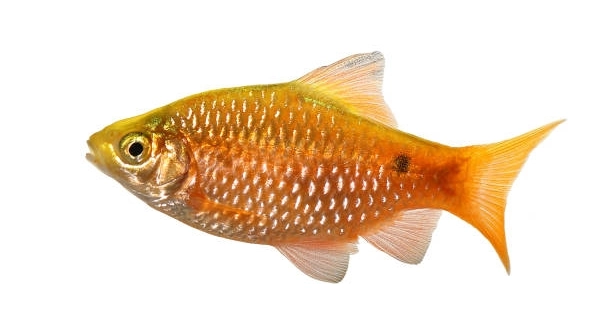
Rosy Barbs are popular aquarium fish that many hobbyists enjoy keeping. They have bright colors and active behavior, making them interesting pets. Understanding their social needs is important for their health and happiness in home tanks.
Rosy Barbs prefer living in groups rather than alone. They are schooling fish that feel safer and more comfortable with companions. Keeping them in groups reduces stress and promotes natural behavior, which is essential for their well-being.
Learning about their social habits can help you create a better environment for your fish. This article will explain why company matters to Rosy Barbs and how to care for them properly.
Why Rosy Barbs Thrive in Groups
Rosy Barbs naturally live in schools in the wild. Being in groups helps them feel secure and reduces fear. When kept alone, they often become shy or stressed, which can harm their health. In a group, they show more active and natural behaviors, like swimming together and exploring their space. They enjoy social interaction, which helps keep them lively and healthy. Watching a school of Rosy Barbs swim in harmony is quite satisfying and shows their natural instincts. If you have just one Rosy Barb, it might hide or become less colorful. Having at least five Rosy Barbs creates a balanced group where they support each other. This reduces aggression and gives them a sense of safety. When setting up a tank, make sure there is enough space and hiding spots so the group can interact freely and feel comfortable.
Keeping Rosy Barbs in groups promotes their physical and mental health. Alone, they might become withdrawn or stressed, which is harmful.
Schooling is vital for Rosy Barbs to express natural behaviors and maintain balance in their environment. It also prevents loneliness and boredom. Ensuring a proper group size and tank setup helps them thrive and show their best colors. Their social nature means they depend on the company of others to stay active and healthy. This makes group care essential for anyone keeping Rosy Barbs.
Signs Your Rosy Barbs Need Company
When Rosy Barbs are alone, they may swim erratically or hide more often. They can also lose their bright colors and seem less energetic. These are clear signs they miss the social interaction that a group provides.
Loneliness can cause stress-related illnesses in Rosy Barbs. Without company, they may become aggressive or withdrawn. Stress weakens their immune system, making them more prone to disease. In a group, Rosy Barbs feel secure, which reduces stress and aggressive behavior. Their swimming patterns become smoother and more coordinated, showing their natural schooling instinct. For the best care, provide at least five Rosy Barbs together. This number supports their social needs without overcrowding the tank. Proper tank size and regular water changes are also important to keep the group healthy and happy. Watching a lively, colorful school of Rosy Barbs can be rewarding and shows that their social needs are met.
Tank Setup for Rosy Barbs
A spacious tank is necessary for a group of Rosy Barbs. At least 20 gallons is recommended for five fish to allow comfortable swimming space.
A well-planted tank with open areas suits Rosy Barbs best. Plants provide hiding spots and help reduce stress. Ensure there is enough room for them to swim actively without feeling crowded. Adding decorations like rocks or driftwood can create natural boundaries, helping reduce aggression among the group. Proper filtration and regular water changes keep their environment clean and stable. Temperature should be kept between 68-78°F, matching their natural habitat. Keeping these conditions balanced supports their social behavior and overall health, making the tank a safe, enjoyable home for the fish.
Lighting should mimic natural daylight cycles. Too much or too little light can stress the fish and affect their activity levels. Moderate lighting enhances their colors and encourages natural behavior, improving their well-being in captivity.
Feeding and Care Tips
Rosy Barbs thrive on a varied diet including flakes, pellets, and live or frozen foods. This mix keeps them healthy and colorful.
Feeding should be done once or twice daily, offering only what they can eat in a few minutes. Overfeeding pollutes the water and harms fish health. Regular tank maintenance like partial water changes and gravel cleaning is important. Monitoring water parameters such as pH, ammonia, and nitrate levels helps prevent diseases. Social stress can be minimized by avoiding overcrowding and maintaining stable conditions. This care routine supports their active lifestyle and helps maintain a balanced, peaceful community in the tank.
Common Health Issues in Rosy Barbs
Stress from loneliness or poor tank conditions often leads to health problems. Watch for signs like faded colors, lethargy, or unusual swimming.
Infections and parasites can appear if water quality is poor. Regular monitoring and tank cleaning help prevent these issues and keep Rosy Barbs healthy and active.
Compatibility with Other Fish
Rosy Barbs generally get along well with other peaceful, similarly sized fish. Avoid aggressive or very small species that could be bullied or eaten. Suitable tank mates include danios, tetras, and gouramis. Introducing compatible species helps maintain a calm, balanced environment for everyone.
Breeding Rosy Barbs
Breeding Rosy Barbs requires a separate tank with fine-leaved plants or spawning mops. They scatter eggs, so protection for the eggs is needed. Proper water conditions and nutrition improve spawning success and fry survival rates.
Signs of Stress in Rosy Barbs
Stress shows through hiding, erratic swimming, or loss of color. Addressing tank conditions and social needs quickly helps restore their health and activity.
How many Rosy Barbs should I keep together?
Keeping at least five Rosy Barbs together is ideal. They are schooling fish, and smaller groups can cause stress and aggression. A group of five or more helps them feel safe and behave naturally. Larger groups are even better if your tank size allows it, but make sure to avoid overcrowding.
Can Rosy Barbs live alone?
Rosy Barbs can survive alone but will often show signs of stress, such as hiding or loss of color. They thrive best in groups because schooling reduces stress and encourages natural behaviors. A single Rosy Barb may become shy and less active, so keeping them in a group is recommended for their well-being.
What size tank is best for Rosy Barbs?
A tank of at least 20 gallons is recommended for a group of five Rosy Barbs. They are active swimmers and need space to move freely. Larger tanks provide better water quality stability and room for planting, which helps reduce stress and encourages healthy behavior.
What water conditions do Rosy Barbs need?
Rosy Barbs prefer water temperatures between 68°F and 78°F. The pH should be neutral to slightly alkaline, around 7.0 to 8.0. Keeping the water clean with regular changes and good filtration is important to prevent illness and stress.
What do Rosy Barbs eat?
Rosy Barbs eat flakes, pellets, and live or frozen foods like brine shrimp and bloodworms. A varied diet helps maintain their color and health. Feed small amounts once or twice daily, only what they can finish in a few minutes to avoid water pollution.
How can I tell if my Rosy Barbs are stressed?
Signs of stress include hiding, loss of color, erratic swimming, and refusal to eat. Stress often results from loneliness, poor water quality, or overcrowding. Addressing these issues by improving tank conditions and ensuring proper social groups helps reduce stress.
Are Rosy Barbs aggressive?
Rosy Barbs are generally peaceful but can show mild aggression, especially during breeding or if kept in too small groups. Keeping them in proper-sized schools with enough space helps reduce aggression. Avoid mixing them with very small or timid fish that may be bullied.
Can Rosy Barbs live with other fish?
Yes, Rosy Barbs usually get along with other peaceful, similarly sized fish such as tetras, danios, and gouramis. Avoid keeping them with aggressive or very small fish that could become targets. Proper tank size and hiding spots support peaceful community living.
How often should I clean the tank?
Partial water changes of about 20-30% should be done weekly or biweekly. Regular cleaning of the gravel and filter helps keep water quality high. Good water conditions prevent disease and stress, supporting healthy and active Rosy Barbs.
How do I breed Rosy Barbs?
Breeding requires a separate tank with fine-leaved plants or spawning mops where eggs can be laid. Rosy Barbs scatter eggs, so parents should be removed after spawning to prevent eating the eggs. Maintain stable water temperature and provide quality food to encourage spawning and fry survival.
What temperature is best for Rosy Barbs?
Ideal temperatures range between 68°F and 78°F. Temperatures outside this range can cause stress and illness. Maintaining stable temperature with a heater helps keep your fish comfortable and healthy.
How long do Rosy Barbs live?
Rosy Barbs typically live 5 to 8 years with proper care. Maintaining good water quality, proper diet, and social conditions can help them reach their full lifespan.
Can Rosy Barbs change color?
Yes, their color can fade due to stress, poor diet, or illness. Bright colors usually return with good care, proper nutrition, and a comfortable social environment. Stress from loneliness or poor water quality often dulls their appearance.
Is it okay to keep Rosy Barbs with shrimp or snails?
Rosy Barbs might eat small shrimp or baby snails, so it’s not always safe to keep them together unless the tank is large and well-planted. Larger snails are usually safe, but small invertebrates are at risk.
What lighting do Rosy Barbs need?
Moderate lighting that mimics a natural day-night cycle works best. Too much light can stress them, while too little can dull their colors and activity. Balanced lighting helps them stay healthy and show their natural behaviors.
Rosy Barbs are lively and colorful fish that do best when kept in groups. Their natural behavior as schooling fish means they feel safer and more comfortable with companions. Keeping them alone can lead to stress, which affects their health and appearance. By providing a group of at least five Rosy Barbs, you help them live a happier, more natural life. This social setting allows them to swim freely, interact, and show their bright colors. When they are together, they seem more active and display less aggression. A proper group size also prevents boredom and loneliness, which are common problems for single fish.
Setting up the right tank environment is very important for Rosy Barbs to thrive. They need enough space to swim comfortably, with room for plants and hiding spots. Clean water and stable conditions support their health and reduce stress. Feeding them a varied diet keeps their colors bright and ensures good nutrition. Regular maintenance, like water changes and monitoring water quality, also plays a key role. When these care basics are met, Rosy Barbs are less likely to become sick and will live longer. Their social needs, tank conditions, and diet work together to create a balanced environment that benefits the whole group.
Understanding the social nature of Rosy Barbs helps you provide better care for them. These fish are not meant to live alone, and their well-being depends on the company of others. Watching a healthy school of Rosy Barbs swim together can be very rewarding and adds life to any aquarium. Meeting their needs for space, company, and care will make your fish thrive. Remember, keeping Rosy Barbs happy is about more than just survival—it’s about creating an environment where they can be their natural, active selves. This approach helps you enjoy the full beauty and energy these fish bring to your tank.

Hello,
If you enjoy the content that we create, please consider saying a "Thank You!" by leaving a tip.
Every little bit helps us continue crafting quality advice that supports the health, happiness, and well-being of pets around the world, for pets of all shapes, sizes, and species.
We really appreciate the kindness and support that you show us!