
Breeding behaviors are often subtle and easy to miss in animals. Many signs go unnoticed even by experienced observers. Understanding these can improve care and help support healthy reproduction.
Certain breeding behaviors are overlooked because they occur quietly or sporadically. These include body language, changes in routine, and subtle vocalizations. Recognizing these behaviors is essential to properly monitor and assist breeding processes in various species.
Knowing what to look for can make a big difference in managing animal breeding successfully. These behaviors reveal important information about timing and readiness.
Subtle Changes in Body Language
Animals often show changes in body language when ready to breed. These changes might be as simple as a shift in posture or the way they move. For example, a bird might puff up its feathers slightly or tilt its head more often. Mammals might become more restless or more relaxed depending on the species. These actions can be quick and easy to miss unless you observe closely. Body language is an important signal because it can indicate comfort, readiness, or stress. Watching for these subtle signs helps in understanding when breeding behaviors start. It also helps caregivers respond appropriately to the animal’s needs. This can mean providing a quieter space, more privacy, or extra nutrition. Recognizing body language changes early supports healthier breeding outcomes and can reduce stress for the animal.
Subtle body language can provide clear signs of breeding readiness when observed carefully and regularly.
Watching for small posture and movement changes helps you know the right time to support breeding efforts effectively.
Unusual Vocalizations and Sounds
Animals may make different sounds during their breeding periods. These noises are often quieter or different from their normal calls. For example, some frogs emit softer croaks or new calls when ready to mate. Birds might sing a slightly altered tune or whistle more frequently. Mammals could produce low growls, purrs, or whistles that aren’t usually heard outside breeding times. These vocal changes serve to attract mates or warn rivals. They also communicate the animal’s state to others nearby. Knowing what sounds to listen for can be challenging but important. It helps in detecting when animals are in the right mood to breed. When you recognize these signals, you can create the right environment for mating. This might include reducing noise, avoiding disruptions, or providing more space. Paying attention to vocal signals improves your chances of successful breeding by matching care to the animals’ natural cues.
Increased Grooming and Attention
Animals often increase grooming themselves or others when breeding. This behavior helps strengthen bonds and shows readiness. Grooming can include licking, nibbling, or cleaning specific areas.
This increase in grooming is a natural way to prepare for mating. It helps animals feel more comfortable and reduces tension. In social species, grooming also builds trust between partners. For example, primates groom each other to reinforce pair bonds. In some birds, preening feathers more frequently signals interest in a mate. Grooming is not just about cleanliness; it’s a social and reproductive behavior. Watching for these signs can help you understand when animals are forming connections that lead to breeding.
Grooming behaviors often peak during mating periods, serving as a clear indicator of reproductive activity. They help both animals feel secure and ready to mate.
Nesting or Territory Preparation
Many animals begin preparing nests or marking territories when breeding time nears. Nest building can involve gathering materials like twigs, leaves, or mud. This activity creates a safe space for offspring. Territorial behaviors include marking boundaries with scents or vocal calls. These actions serve to attract mates and deter rivals. Nesting shows the animal’s investment in the next generation and signals readiness. Territory marking protects resources and increases breeding success by reducing competition. Both behaviors are essential for creating a secure environment for raising young. Paying attention to these preparations helps caretakers support the animals’ needs by providing proper materials or space. It also helps predict when breeding is about to occur. Recognizing these behaviors improves care and increases the chances of successful reproduction.
Changes in Appetite
Many animals show a change in appetite during breeding. Some may eat more to gain energy, while others eat less as hormones fluctuate.
This shift helps support the body’s demands during reproduction. Monitoring these changes can give clues about the animal’s breeding stage and overall health.
Increased Vocal Activity
Animals often become more vocal when breeding. This can include louder calls, more frequent sounds, or new types of noises. Vocal activity helps attract mates and communicate availability. Listening closely to these changes can reveal important timing for breeding behaviors. It also helps in reducing stress by understanding what the animals need during this period.
Physical Displays
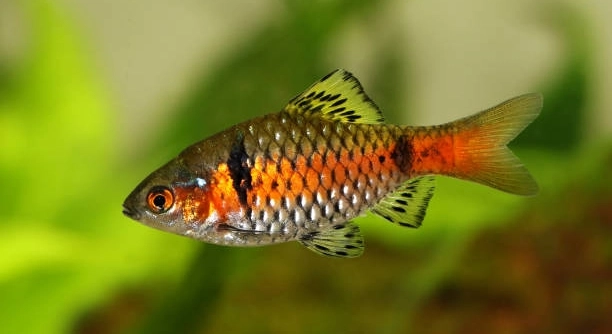
Physical displays such as brightened colors, expanded feathers, or puffed-up fur are common during breeding. These displays signal health and attract mates, increasing the chance of successful reproduction. Recognizing these visual cues helps identify when animals are ready to breed.
Restlessness and Pacing
Increased restlessness or pacing can occur during breeding. Animals may move more or seem anxious as they prepare to mate or protect territory.
FAQ
What are the most common breeding behaviors to watch for?
The most common behaviors include changes in body language, vocalizations, grooming habits, and physical displays like bright colors or puffed-up fur. Many animals also show increased restlessness or begin preparing nests or territories. Watching these signs closely helps identify when animals are ready to mate and reproduce.
How can I tell if my pet is showing breeding behavior?
Look for subtle signs such as more frequent grooming, unusual sounds, or changes in appetite. Your pet might also pace more or act restless. In some species, physical changes like swelling or color shifts appear. These behaviors indicate your pet is entering a reproductive phase.
Why do some animals become more vocal during breeding?
Vocalizations help attract mates and establish dominance. Animals use different calls or louder sounds to communicate availability and ward off rivals. These sounds can vary widely depending on species but often signal readiness to breed.
Is nesting behavior important for all animals?
Not all animals build nests, but many do as a way to protect their offspring. Nesting creates a safe, warm environment and signals that the animal is preparing for young. Even territorial species may mark spaces to keep competitors away during breeding season.
Can changes in appetite indicate health problems?
While changes in appetite are common during breeding, sudden or extreme shifts could signal health issues. It’s important to monitor your animal’s eating habits closely. If the change lasts too long or seems harmful, consulting a veterinarian is a good idea.
How long do breeding behaviors usually last?
The duration varies by species and individual. Some behaviors may only last a few days, while others can continue for weeks. Understanding your specific animal’s cycle helps manage their needs effectively during this time.
Are there ways to encourage natural breeding behaviors?
Providing a quiet, comfortable environment with enough space is crucial. Offering proper nutrition and materials for nesting can also help. Reducing stress and avoiding sudden changes in the environment support natural behavior expression.
What should I avoid during my animal’s breeding period?
Avoid loud noises, excessive handling, or sudden changes in the environment. These can increase stress and interfere with breeding behaviors. It’s important to give animals privacy and space during this sensitive time.
How can I support animals showing restlessness or pacing?
Offering more exercise or environmental enrichment can help reduce anxiety. Sometimes creating separate areas for males and females until breeding readiness is confirmed can also ease tension.
When should I seek professional help for breeding concerns?
If behaviors seem extreme, aggressive, or if the animal shows signs of illness, professional advice is recommended. A veterinarian or breeder can provide guidance on managing breeding safely and successfully.
Breeding behaviors can sometimes be hard to notice, but they are important signs of an animal’s natural cycle. Recognizing these behaviors helps us understand when animals are ready to mate and how to support them during this time. Paying attention to changes like body language, grooming, vocalizations, and nesting gives valuable information. These subtle clues can improve care, reduce stress, and increase the chances of successful breeding. Even if some signs seem small or easy to miss, they often carry important meaning for the animal’s well-being.
It is helpful to observe animals regularly and keep track of any unusual or new behaviors. Changes in appetite, restlessness, or increased vocal activity may all point to breeding readiness. Providing a calm, safe environment with enough space and proper nutrition is essential. Animals need privacy and comfort to feel secure when breeding. Preparing nesting materials or marking territories are natural actions that should be supported. Being patient and understanding the natural rhythms of the animal can make a big difference during the breeding period. This approach benefits both the animals and those caring for them.
Taking the time to learn about breeding behaviors can make the whole process smoother. It helps avoid problems and allows for timely intervention if needed. When breeding is supported well, animals tend to be healthier and more relaxed. They can focus on their natural instincts without unnecessary stress. Whether you care for pets or work with wildlife, understanding these behaviors is key. It allows you to respect the animals’ needs and helps create a better environment for breeding success. Staying observant and responsive will lead to better outcomes for everyone involved.

Hello,
If you enjoy the content that we create, please consider saying a "Thank You!" by leaving a tip.
Every little bit helps us continue crafting quality advice that supports the health, happiness, and well-being of pets around the world, for pets of all shapes, sizes, and species.
We really appreciate the kindness and support that you show us!