
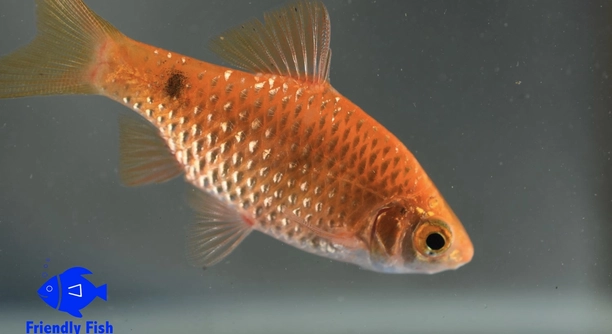
Do you ever find yourself watching your rosy barbs and wondering why they sometimes stay perfectly still for long periods of time? These bright little fish seem to pause, barely moving, as if frozen in place.
Rosy barbs often hover in place due to a combination of resting behavior, energy conservation, and environmental cues such as low light or calm water conditions. This stillness is a natural part of their daily rhythm and overall health.
Understanding this behavior can help you better care for your fish and create a more peaceful, balanced environment in their tank.
Why Rosy Barbs Hover Without Moving
Rosy barbs tend to hover when they’re in a relaxed state. It’s most common when the tank is quiet and the lights are dim or natural. Hovering helps them rest without using too much energy. These fish don’t have eyelids or a need to sleep like humans, but they do go through low-activity periods. Staying still in one place allows them to recover while staying alert. It’s also a way for them to feel secure, especially if they’re used to a consistent environment. Their stillness isn’t always about rest, though—it can also be a response to changes in water quality or temperature. If the hovering comes with other signs, like clamped fins or gasping, it might mean something’s wrong. But if your rosy barbs are simply hovering calmly with good color and posture, it’s likely just part of their daily routine.
They may also hover near their favorite spot in the tank, like a plant or decoration.
Resting still in open water is one of the ways rosy barbs save energy. These moments help them stay balanced and stress-free, especially in tanks that are not overcrowded. It’s part of their natural rhythm and is usually nothing to worry about.
Environmental Factors That Influence Hovering
Some rosy barbs hover more when the lighting is low or when the water is especially calm. These changes tell them it’s time to slow down and rest.
The temperature of the tank can have a direct impact on how much your rosy barbs hover. Cooler water can slow down their activity levels, encouraging longer periods of hovering. On the other hand, warmer water tends to make them more active and playful. Water flow is another factor—barbs prefer a moderate current. If the flow is too strong, they might find a calm corner and hover there to avoid using too much energy. Poor water quality, such as high ammonia or nitrite levels, can also lead to stillness, but in that case, you’d likely notice other signs of discomfort. A peaceful tank with the right balance of temperature, current, and light gives them a safe space to display this natural behavior without concern. Watching how they interact with their space can help you catch small issues before they become big problems.
Signs the Hovering Is Normal
When rosy barbs hover with a relaxed body and open fins, it’s usually a normal behavior. They may gently move their fins to stay balanced and often stay near plants or still areas of the tank.
Their color remains bright, and they don’t avoid other fish or act fearful. You might notice them hovering more after feeding or when the tank lights dim. This is a natural rest period. They won’t be gasping for air or showing sudden changes in swimming speed. It’s also common for them to stay motionless after an active swim, using this time to regain energy. They might shift slightly from time to time to adjust their position, but they won’t dart around or hide suddenly. This calm hovering is a healthy sign, showing that the tank conditions are meeting their needs.
A consistent routine in your tank will make this behavior more predictable. Rosy barbs like patterns, and when they’re used to their space, they hover more often. If they’re eating well, swimming normally at other times, and not losing color or weight, the stillness is nothing to be concerned about. Healthy hovering is just another way they interact with their space without stress.
When Hovering Might Be a Sign of Trouble
If a rosy barb is hovering with clamped fins, dull colors, or rapid gill movement, it could point to a health issue or stress.
Poor water conditions are one of the biggest causes of unusual hovering. If ammonia or nitrites are present, fish may become still and breathe heavily. A lack of oxygen, caused by low surface agitation or overstocking, can also lead to this behavior. Disease may also be a factor—if hovering is paired with rubbing against objects, white spots, or red patches, it’s best to separate the fish and begin treatment. Watch for changes in appetite and avoid sudden changes in temperature. Quieter, still fish with these symptoms may not recover without help. Regular testing and tank maintenance can prevent many of these problems before they start. Observing small shifts in how your fish behave is one of the best ways to protect their health.
How Tank Setup Affects Hovering
Rosy barbs feel more at ease in tanks with plenty of plants and hiding spots. When they feel safe, they are more likely to hover calmly instead of darting around or hiding.
A strong filter current can wear them out, so a gentle flow helps encourage balanced swimming and resting behavior.
The Role of Diet and Feeding Habits
Feeding your rosy barbs a varied diet helps maintain their energy and overall health. When they’re well-fed with the right balance of protein, veggies, and occasional treats, they tend to behave more naturally. Overfeeding, though, can make them sluggish and may lead to bloating or digestive issues, causing them to hover oddly. Feeding small portions twice a day is usually best. Uneaten food should be removed quickly to prevent water quality problems, which can also affect their hovering patterns. A healthy diet supports their color, energy, and daily activity levels, helping you spot when something feels off in their usual rhythm.
Watching Their Behavior Over Time
Keeping track of your rosy barbs’ habits helps you notice small changes early. Hovering should look peaceful, not forced or stressed.
FAQ
Why do my rosy barbs stay still for so long?
Rosy barbs often stay still when they’re resting or conserving energy. This is common during low light or after activity. It’s a normal part of their routine, especially if they are healthy and show no signs of stress or illness.
Is it normal for rosy barbs to hover near the bottom?
Yes, as long as they’re not hiding or gasping. Some rosy barbs prefer the lower part of the tank, especially if there are plants or decorations nearby. It gives them a sense of security. If they look relaxed and are eating well, this is likely harmless.
Do rosy barbs hover when they sleep?
Fish don’t sleep like people, but they do rest. Hovering during rest periods is very common. They stay mostly still, reduce movement, and keep their position in the water. As long as their fins aren’t clamped and their colors stay bright, it’s nothing to worry about.
What if only one rosy barb is hovering and the rest are active?
When one fish hovers while others swim, it might be a sign of stress, illness, or injury. Check the water parameters, look for signs of infection, and watch its behavior. If it’s eating and swimming normally later, it may have just been resting.
Can poor water quality cause hovering?
Yes. High ammonia, nitrites, or low oxygen levels can make rosy barbs less active. When the water isn’t right, they often become still and show other signs like clamped fins or pale colors. Regular water changes and testing help avoid this.
What temperature should the tank be for rosy barbs?
They prefer a temperature between 74°F and 79°F (23°C to 26°C). If the water is too cold, their activity may slow, and they might hover more than usual. Stable temperatures in this range help support natural behavior and health.
How do I know if a hovering rosy barb is sick?
Look for extra signs like dull color, heavy breathing, lack of appetite, or unusual swimming. If hovering is paired with these symptoms, something may be wrong. Isolate the fish if needed and check for issues in the tank that may be causing stress.
Does tank lighting affect hovering?
Yes. Dim or natural lighting often leads to more stillness. Barbs tend to rest during these times. Sudden light changes may startle them, so keeping a consistent light schedule can help them feel safe and act naturally.
Is hovering ever a sign of aggression?
Not usually. Rosy barbs are active but peaceful fish. If they hover while facing another fish or following it closely, it may be mild dominance behavior, especially in males. This tends to settle on its own unless there’s crowding or lack of space.
Can tank mates cause stress and make rosy barbs hover?
Yes. Aggressive tank mates can cause stress, leading rosy barbs to hover or hide. Choose peaceful species that don’t nip fins or chase. Keeping them in groups of five or more helps them feel safer and reduces stress.
How often should I feed rosy barbs?
Twice a day in small portions works well. Avoid overfeeding, as leftover food can lower water quality and affect their behavior. Balanced, scheduled feeding keeps them active and helps reduce abnormal hovering from bloating or stomach problems.
Should I be worried if my rosy barbs hover after eating?
Not necessarily. They often slow down after meals to rest and digest. If their posture is calm and their fins are open, it’s likely a sign they’re satisfied. Hovering after eating is usually short and part of their regular behavior.
Final Thoughts
Rosy barbs are active, colorful fish, but it’s normal for them to stay still or hover at times. This behavior can simply mean they are resting or feeling calm in their environment. Watching them hover with open fins and a steady position often shows that they are relaxed and healthy. It becomes part of their daily routine, especially when the lighting is dim or the tank is quiet. Like many fish, they have moments of high activity and moments of stillness. As long as their color stays bright and they continue to eat and swim normally, hovering is nothing to worry about.
Stillness only becomes a concern when it’s paired with other signs, like clamped fins, dull color, or strange swimming patterns. These may point to stress, illness, or a water issue. That’s why it’s helpful to observe your fish regularly and know what their usual behavior looks like. If you see something that feels off, small changes like checking water quality or adjusting tank conditions can often make a big difference. Keeping a stable temperature, feeding a balanced diet, and giving them space to swim and rest all help reduce stress and support their health. Catching small problems early keeps your fish safe and your tank in better shape.
Hovering can also reflect how well the tank is set up for them. Rosy barbs need plants, open swimming space, and a gentle current. When they feel secure, they will rest in the open instead of hiding. A calm hover shows trust in their environment. It’s part of their natural behavior and helps them save energy throughout the day. For new owners, this stillness might seem unusual at first, but over time, you’ll learn the difference between normal rest and signs of trouble. Being familiar with your fish and their habits is one of the most important parts of keeping a peaceful and healthy tank. Taking time to understand their behavior leads to better care and more enjoyment as you watch them thrive.

Hello,
If you enjoy the content that we create, please consider saying a "Thank You!" by leaving a tip.
Every little bit helps us continue crafting quality advice that supports the health, happiness, and well-being of pets around the world, for pets of all shapes, sizes, and species.
We really appreciate the kindness and support that you show us!