
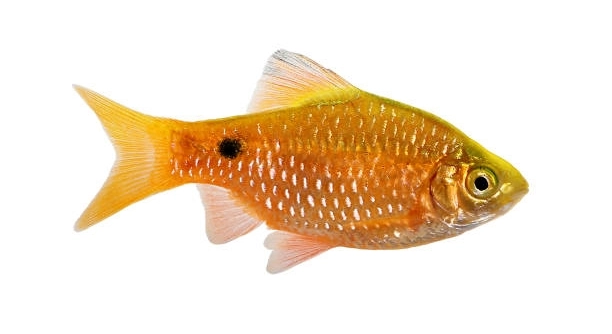
Keeping a Rosy Barb tank natural-looking can enhance the beauty of your aquarium. Many fishkeepers want their tanks to mimic the fish’s natural habitat. Creating a natural environment benefits both the fish and the overall display.
To make your Rosy Barb tank look natural, focus on using appropriate plants, substrate, and decorations that resemble their native rivers. Maintaining proper water parameters and adding natural hiding spots will encourage natural behavior and promote a healthy ecosystem.
These simple adjustments will improve the appearance and well-being of your Rosy Barbs, making your tank both attractive and comfortable.
Choose the Right Plants for a Natural Look
Selecting the proper plants is key to making your Rosy Barb tank look natural. These fish come from flowing rivers with plenty of vegetation. Using live plants such as Java fern, Anubias, and Vallisneria can replicate that environment well. These plants provide shelter and create a more authentic feel. Avoid overly bright or artificial plants, which can disrupt the natural appearance. Placing plants at different heights adds depth and mimics how plants grow in the wild. It is also important to allow enough swimming space for the fish, as Rosy Barbs are active swimmers. With the right balance, the plants help improve water quality and offer hiding spots, making the tank comfortable for the fish. Proper lighting and nutrients are needed to keep plants healthy and vibrant. Maintaining a natural substrate like sand or fine gravel enhances the overall look and supports plant roots.
Plants improve tank health by producing oxygen and absorbing waste. They create a calm environment, reducing fish stress.
Using native-style plants gives the tank a peaceful, natural feel. It also supports your Rosy Barbs’ well-being by providing natural hiding spots and swim-through areas. Healthy plants help balance the tank ecosystem and encourage natural behaviors, such as foraging and resting. Avoid overcrowding the tank with too many plants, as it can reduce swimming space and make maintenance harder. Instead, aim for a natural, balanced layout that looks like their native river habitat. Regular trimming keeps plants in shape and prevents decay that could affect water quality. When choosing plants, pick hardy species that suit your tank’s lighting and water conditions for the best results.
Maintain Proper Water Conditions
Stable water conditions are essential for a natural-looking Rosy Barb tank. These fish thrive in water that closely matches their native habitat. Ideal temperature ranges from 64°F to 72°F, with a pH between 6.5 and 7.5. Regular water testing helps keep parameters within the correct range. Avoid sudden changes in temperature or chemistry, which can stress the fish and damage plants. Using a reliable filter maintains clean water and simulates gentle currents found in rivers. Partial water changes weekly prevent the buildup of harmful substances. Keeping the tank clean without disturbing the natural setup is important. Proper aeration ensures enough oxygen, supporting fish and plant health.
Consistent water conditions create a stable environment for both fish and plants to thrive.
Maintaining stable water parameters is crucial for a natural tank. Rosy Barbs are sensitive to fluctuations in temperature and pH. Sudden changes can weaken their immune systems and cause stress-related illnesses. Using a thermometer and pH test kit will help monitor these factors closely. Filtering and aerating the water mimics the natural flow and oxygen levels of their native habitat. This supports healthy fish behavior and prevents stagnant water. Frequent partial water changes remove waste and keep nitrate levels low, which is important for plant growth and fish health. Proper water maintenance also reduces algae growth, keeping the tank clean and natural-looking. Taking these steps ensures the fish remain active and colorful, enhancing the tank’s appearance.
Use Natural Decorations
Natural decorations like driftwood and smooth stones help create an authentic environment. They provide shelter and resting spots for your Rosy Barbs, making the tank feel more like their natural habitat.
Driftwood adds a natural look while releasing beneficial tannins that can slightly lower the water pH. Stones should be smooth and rounded to avoid harming the fish. Avoid sharp or artificial decorations that can look out of place. Position decorations to create hiding places and break lines of sight, which helps reduce stress. Using natural materials also encourages fish to explore and behave normally. Make sure to clean and soak new decorations before adding them to the tank to prevent unwanted substances from affecting water quality.
Using decorations wisely can create a balanced environment. Avoid overcrowding to keep swimming space open. Arrange pieces in a way that mimics natural riverbeds, with varied textures and shapes. This not only enhances the tank’s appearance but also supports fish health and comfort.
Control Lighting and Avoid Overexposure
Proper lighting is crucial to maintain a natural look. Too bright lighting can stress fish and promote algae growth. Using soft, moderate lighting simulates the dappled sunlight found in rivers and shaded areas.
Using a timer for the lights helps maintain a consistent day-night cycle. About 8 to 10 hours of light per day is enough to support plant growth without causing excess algae. Natural light should be indirect to avoid overheating or sudden brightness changes. Adding floating plants can help diffuse light and provide shaded areas. Avoid leaving the lights on overnight, which can disrupt fish behavior. Proper lighting supports healthy plants and fish, contributing to a more natural tank environment.
Keeping lighting controlled benefits both fish and plants. It reduces stress and mimics their natural rhythm. Algae growth becomes easier to manage, maintaining clear water and a clean tank look. Adjust lighting gradually when changing setups to help fish and plants adapt smoothly. Controlled lighting creates a peaceful and balanced atmosphere in the tank, encouraging natural behaviors.
Create a Gentle Current
Rosy Barbs come from flowing rivers, so adding a gentle current helps mimic their natural environment. A good filter or powerhead can create this effect without stressing the fish.
The water movement also improves oxygen circulation, which benefits both fish and plants. It encourages natural swimming patterns and helps prevent debris buildup in the tank.
Use a Natural Substrate
Choosing a substrate that resembles riverbeds, such as sand or fine gravel, adds to the natural look. It also supports plant roots and creates hiding places for fish.
Avoid bright or unnatural colors that clash with the tank’s overall appearance. A neutral substrate helps keep the focus on your Rosy Barbs and plants.
Avoid Overcrowding
Keeping a balanced number of fish ensures they have enough space to swim and behave naturally. Overcrowding can cause stress and poor water quality.
Feed a Balanced Diet
Providing a diet similar to what Rosy Barbs would find in the wild supports their health and natural colors. Use high-quality flakes, pellets, and occasional live or frozen foods.
FAQ
How often should I change the water in my Rosy Barb tank?
Regular water changes are essential to keep the tank healthy and natural-looking. Changing about 20-30% of the water once a week is a good practice. This helps remove excess waste and keeps nitrate levels low. Frequent water changes prevent algae growth and maintain stable water conditions that support your Rosy Barbs and plants.
What types of plants grow best with Rosy Barbs?
Hardy plants that tolerate moderate light and water flow work well. Java fern, Anubias, and Vallisneria are popular choices. These plants can withstand the activity of Rosy Barbs without being easily damaged. Floating plants like duckweed or hornwort can also help diffuse light and provide shade. Choose plants that match your tank’s lighting and water parameters for best results.
Can I use artificial plants to make the tank look natural?
Artificial plants generally don’t look as natural as live ones. They can also lack the benefits live plants provide, such as oxygen production and nutrient absorption. If using artificial plants, select those with natural colors and shapes. Be cautious of plastic plants with sharp edges that might harm your fish. Live plants are the better choice for a truly natural tank environment.
How do I control algae without harming my fish or plants?
Maintaining proper lighting, regular water changes, and not overfeeding helps keep algae under control. Adding algae-eating species like snails or certain shrimp can help as well. Avoid harsh chemicals unless absolutely necessary, and use natural methods first. Algae growth is normal but can be minimized with good tank care and balance.
What is the best temperature range for a Rosy Barb tank?
Rosy Barbs do best in temperatures between 64°F and 72°F (18°C to 22°C). Keeping the water stable within this range supports their health and natural behavior. Sudden temperature changes can stress them, so using a reliable heater or cooler is important. A thermometer helps monitor tank temperature consistently.
How many Rosy Barbs should I keep together?
Rosy Barbs are schooling fish and should be kept in groups of at least six. Smaller groups can lead to stress and aggression. A group helps them feel secure and show natural behaviors. Make sure your tank is large enough to comfortably house the group with plenty of swimming space.
What substrate is best for Rosy Barb tanks?
A natural substrate like sand or fine gravel works best. It mimics their native riverbed environment and supports plant growth. Avoid substrates with sharp edges or unnatural colors. The substrate also provides places for beneficial bacteria to grow, which helps keep the tank clean and balanced.
How important is tank decoration for Rosy Barbs?
Decorations like driftwood and smooth stones are important to create hiding spots and mimic natural surroundings. These elements help reduce stress by offering places to explore and rest. Choose natural materials that don’t alter water chemistry negatively. Proper decoration encourages natural behavior and improves tank aesthetics.
Can I keep Rosy Barbs with other fish?
Yes, Rosy Barbs are generally peaceful but can be active swimmers. They do well with other similarly sized, non-aggressive fish. Avoid very small fish that might be seen as food. Compatible species include tetras, barbs, and some gouramis. Always monitor interactions to ensure a peaceful community.
What should I feed my Rosy Barbs?
A varied diet helps maintain their color and health. Use quality flakes or pellets formulated for tropical fish, supplemented with occasional live or frozen foods like brine shrimp or bloodworms. This mimics their natural diet and provides balanced nutrition. Avoid overfeeding to prevent water quality issues.
How can I make the tank look more like their natural habitat?
Using live plants, natural substrate, and driftwood creates an authentic environment. Adding gentle water flow and controlling lighting enhances the natural feel. Keeping the tank clean and balanced encourages natural fish behavior. These elements together make your tank look and feel like the rivers Rosy Barbs come from.
What are signs of stress in Rosy Barbs?
Signs include faded colors, hiding excessively, erratic swimming, and loss of appetite. Stress often results from poor water quality, overcrowding, or improper temperature. Addressing these issues quickly can improve their health. A natural, well-maintained tank helps reduce stress and promotes active, vibrant fish.
Creating a natural environment for your Rosy Barb tank takes some planning and care, but the results are worth it. When the tank closely resembles their native habitat, the fish tend to be healthier and more active. Using the right plants, decorations, substrate, and maintaining stable water conditions all contribute to this. Each element plays a role in making the tank comfortable and inviting for your Rosy Barbs. This natural setup not only enhances the tank’s appearance but also supports the well-being of your fish.
Maintaining proper lighting and water flow is important for keeping the tank balanced. Soft lighting that mimics natural sunlight helps plants grow without encouraging excessive algae. A gentle current simulates the river environment where Rosy Barbs are from and encourages natural swimming behaviors. These conditions help reduce fish stress and support a thriving tank. It’s also important to avoid overcrowding and feed your fish a balanced diet to keep them healthy and colorful. Taking care of these details creates a peaceful and natural atmosphere in your aquarium.
With regular care and attention, your Rosy Barb tank can become a beautiful, natural display that you enjoy watching. Small adjustments over time, such as adding the right plants or adjusting water parameters, make a big difference. A natural tank provides a stable environment that encourages your fish to behave as they would in the wild. This leads to a healthier, more vibrant community that is rewarding to maintain. Investing in these natural elements benefits both the fish and your overall aquarium experience.

Hello,
If you enjoy the content that we create, please consider saying a "Thank You!" by leaving a tip.
Every little bit helps us continue crafting quality advice that supports the health, happiness, and well-being of pets around the world, for pets of all shapes, sizes, and species.
We really appreciate the kindness and support that you show us!