
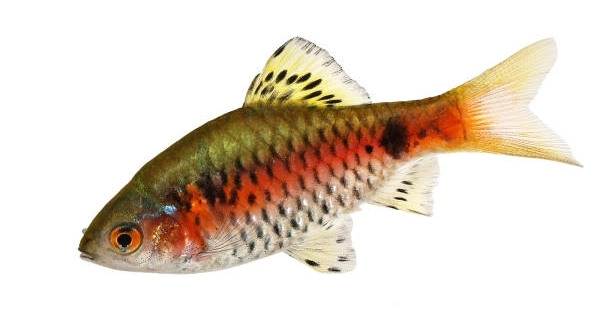
Rosy barbs are popular freshwater fish known for their active swimming and bright colors. Sometimes, these fish may suddenly lose interest in swimming, which can worry owners. Understanding why this change happens is important for their care.
The primary causes of decreased swimming activity in rosy barbs include poor water quality, illness, stress from overcrowding, or improper diet. These factors disrupt their natural behavior and health, leading to reduced movement and lethargy.
Recognizing these causes early can help maintain a healthy environment and keep rosy barbs active and vibrant. This article explains the key reasons behind their change in behavior.
Water Quality and Its Impact on Rosy Barbs
Water quality plays a crucial role in the health and behavior of rosy barbs. Poor water conditions can cause them to become sluggish and lose interest in swimming. Factors like high ammonia or nitrite levels, incorrect pH, and temperature fluctuations create stress that affects their activity. Dirty tanks with leftover food and waste can lower oxygen levels, making it hard for fish to stay energetic. Regular water changes and proper filtration are essential to maintain a clean and stable environment. Monitoring water parameters helps catch issues early before they affect the fish’s behavior. Rosy barbs thrive in well-oxygenated water with a temperature between 22 and 26 degrees Celsius (72–79 degrees Fahrenheit). Keeping these conditions steady supports their natural swimming habits and overall well-being.
Stress caused by poor water quality weakens the immune system, increasing susceptibility to disease and further reducing activity levels.
Maintaining consistent water quality not only encourages swimming but also prevents common health problems. It is important to test water regularly and avoid overfeeding, as excess food contributes to pollution. Using aquarium treatments when needed can restore balance. A stable environment keeps rosy barbs comfortable, active, and vibrant in appearance. Regular tank maintenance, combined with good water quality, supports their lively behavior and helps prevent sudden changes in swimming patterns.
Illness and Behavioral Changes
Illness is a significant reason rosy barbs may stop swimming actively. Infections from bacteria, parasites, or fungi can cause lethargy and hiding behavior. Symptoms like clamped fins, discoloration, or rapid breathing often accompany a loss of swimming interest. Prompt diagnosis and treatment are necessary to avoid worsening conditions. Quarantining new fish before adding them to the main tank helps prevent disease spread. Observation is key to catching early signs of illness and maintaining fish health.
Rosy barbs recovering from illness may require a calm environment with minimal stress and clean water.
Providing a balanced diet rich in vitamins supports the immune system during recovery. Avoiding sudden changes in the tank environment also helps reduce stress. Infected fish should be treated with appropriate medication while ensuring the tank is free from harmful substances. Preventative care, including maintaining cleanliness and proper nutrition, reduces the risk of illness affecting swimming behavior. A healthy fish is more likely to exhibit natural swimming patterns and social interaction within the aquarium.
Overcrowding and Stress
Overcrowding in the aquarium leads to competition for space, food, and oxygen, causing stress in rosy barbs. Stress reduces their swimming activity and can lead to illness.
Stress caused by overcrowding weakens the immune system and disrupts normal behavior. When too many fish share limited space, aggressive behavior may increase, leading to injuries. Limited oxygen availability affects their energy, making them less active. It is important to keep the number of rosy barbs appropriate for the tank size. Adding plants and hiding spots helps reduce stress by providing shelter. Maintaining proper tank conditions, such as filtration and aeration, supports fish health. A balanced environment encourages natural swimming and social interactions.
Regularly monitoring the tank population and providing enough space can prevent overcrowding. Reducing stress this way improves swimming interest and overall vitality.
Diet and Nutrition
A poor diet lacking essential nutrients can cause rosy barbs to lose energy and swimming motivation. Balanced nutrition supports their health and activity levels.
Feeding rosy barbs a variety of high-quality foods, including flakes, pellets, and occasional live or frozen treats, ensures they receive necessary vitamins and minerals. Overfeeding or underfeeding disrupts their metabolism and can lead to lethargy. Inadequate nutrition weakens their immune system, increasing susceptibility to disease and reducing swimming activity. Proper feeding schedules and portion control are crucial for maintaining energy. Supplementing diet with plant-based food supports digestion and vitality. Adjusting diet based on age and health condition keeps rosy barbs active and healthy. Monitoring eating habits helps identify issues early, allowing timely changes to improve their behavior and well-being.
Environmental Changes
Sudden changes in water temperature or tank setup can stress rosy barbs, causing them to swim less. Stability is key to their comfort and activity.
Gradual adjustments help fish adapt without losing interest in swimming. Consistency in their environment supports natural behavior and health.
Tank Size and Space
A small tank limits movement and causes boredom in rosy barbs. Providing enough space encourages exercise and exploration.
Crowded or cramped conditions can lead to frustration and reduced activity. Proper tank size helps maintain their energy and well-being.
Lighting and Daylight Exposure
Improper lighting affects rosy barbs’ behavior. Too much or too little light can disturb their natural rhythm and swimming habits.
Maintaining a regular light cycle with moderate brightness supports their activity and health. Natural daylight helps regulate their biological clock and encourages movement.
FAQ
Why are my rosy barbs not swimming much?
Several factors can cause reduced swimming, including poor water quality, illness, stress from overcrowding, or improper diet. Any of these can lead to lethargy and less activity. Checking water parameters, tank conditions, and feeding habits helps identify the issue quickly.
How often should I change the water to keep rosy barbs active?
Regular water changes of about 20-30% once a week help maintain good water quality. This removes waste and toxins, which keeps fish healthy and energetic. Avoid sudden, large water changes to prevent stressing the fish.
What signs of illness should I look for in rosy barbs?
Look for clamped fins, faded colors, sluggish swimming, rapid gill movement, and unusual spots or growths. Changes in behavior like hiding or loss of appetite also indicate illness. Early detection is crucial for effective treatment.
Can overcrowding really affect my rosy barbs’ swimming?
Yes, overcrowding increases stress, competition for resources, and lowers oxygen levels. This can make rosy barbs less active and more prone to illness. Ensuring the tank is not overstocked is important for their well-being.
What is the ideal tank size for rosy barbs?
A minimum of 20 gallons is recommended for a small group of rosy barbs. They are active swimmers and need enough space to move freely. Larger tanks reduce stress and support healthier behavior.
How does diet affect my rosy barbs’ activity?
A balanced diet with high-quality flakes, pellets, and occasional live or frozen foods provides essential nutrients. Poor diet or overfeeding can cause lethargy. Proper feeding schedules and portion control keep them energetic.
Can sudden changes in tank environment cause swimming issues?
Yes, sudden changes in water temperature, pH, or tank layout can stress rosy barbs. Gradual adjustments allow them to adapt better and maintain normal activity levels.
Does lighting impact rosy barbs’ swimming behavior?
Lighting affects their natural rhythm. Too bright or too dim light can disturb their activity. A consistent light cycle with moderate brightness encourages regular swimming and supports overall health.
How can I reduce stress in my rosy barbs?
Provide sufficient space, stable water conditions, hiding spots, and a proper diet. Avoid sudden changes and limit aggressive tank mates. These measures help keep rosy barbs calm and active.
When should I seek professional help for my rosy barbs?
If fish show persistent signs of illness, severe lethargy, or unusual behavior despite proper care, consult a veterinarian or aquatic specialist. Early professional advice can prevent serious health problems.
Rosy barbs are lively and colorful fish that bring life to any aquarium. When they lose interest in swimming, it often signals an underlying problem. Factors such as water quality, illness, overcrowding, diet, and environmental changes play significant roles in their behavior. Understanding these causes is essential for providing proper care and maintaining their natural activity. Keeping a stable, clean, and comfortable environment encourages rosy barbs to stay active and healthy. Consistent attention to tank conditions, feeding habits, and the fish’s overall well-being helps prevent sudden changes in their behavior.
Water quality is one of the most important aspects to monitor regularly. Clean water with balanced parameters supports the fish’s health and energy levels. Frequent water changes, proper filtration, and testing for ammonia, nitrites, and pH are necessary steps. Illness can also affect swimming behavior, so observing the fish for any signs of disease is crucial. If symptoms appear, addressing them quickly with proper treatment helps avoid long-term damage. Overcrowding should be avoided to reduce stress, and the tank size should allow enough room for movement. Providing a well-balanced diet ensures rosy barbs receive the nutrients they need to stay vibrant and active.
Environmental factors like lighting and temperature should be stable and suitable for rosy barbs. Sudden changes can cause stress and reduce activity. Creating a calm and balanced environment with appropriate space, hiding spots, and proper care promotes natural swimming habits. Paying close attention to these details allows rosy barbs to thrive and display their typical lively behavior. By addressing these key factors, owners can enjoy healthy, active fish that enhance the aquarium’s beauty and atmosphere.

Hello,
If you enjoy the content that we create, please consider saying a "Thank You!" by leaving a tip.
Every little bit helps us continue crafting quality advice that supports the health, happiness, and well-being of pets around the world, for pets of all shapes, sizes, and species.
We really appreciate the kindness and support that you show us!