
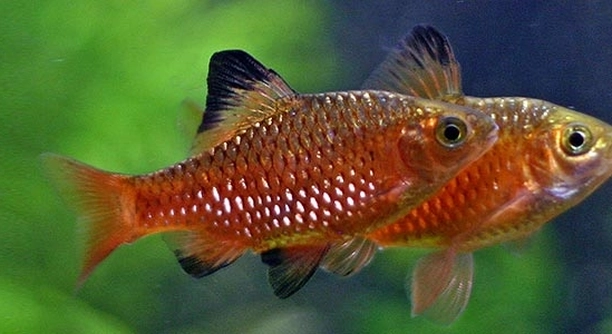
Rosy barbs are lively fish that can sometimes be picky about their food. Introducing new types of food can be a challenge for many fish owners who want to ensure their pets stay healthy and happy. Changing their diet carefully is important to avoid stress.
Encouraging rosy barbs to eat new food involves gradual introduction, mixing familiar and new items, maintaining consistent feeding times, and creating a calm environment. These methods support adaptation while minimizing refusal and improving dietary variety.
These simple tricks help ensure your rosy barbs get the nutrients they need. Learning how to feed them well can improve their overall health and behavior.
Start Slowly with Familiar Foods
Introducing new food to rosy barbs requires patience. Begin by mixing a small amount of the new food with their regular diet. This helps the fish get used to the new taste and texture without feeling overwhelmed. Over several days, gradually increase the portion of the new food while reducing the old. Consistent feeding times also create a routine that makes the fish more comfortable. Avoid sudden changes in their environment during this period, as stress can reduce appetite. It is important to observe the fish closely to notice any signs of refusal or distress. Sometimes, rinsing or soaking the new food can make it more appealing. Keeping the water clean and maintaining the right temperature also support healthy feeding habits. With time and consistency, rosy barbs will likely accept the new food and benefit from a more varied diet.
Introduce new food slowly, blending it with what they already eat. Routine and calm settings help.
Maintaining patience and consistency during this phase is essential. If the fish reject the food, try smaller amounts or different forms, such as pellets, flakes, or frozen varieties. Sometimes changing the presentation or time of feeding makes a difference. Feeding the fish in small amounts several times a day can encourage them to try the new food more willingly. Avoid overfeeding, which can cause water quality problems and stress. By carefully managing these factors, you support the health and well-being of your rosy barbs while successfully expanding their diet variety.
Use Feeding Techniques That Encourage Eating
To help rosy barbs accept new food, use techniques that stimulate their natural feeding behavior. Feeding at the same time each day sets expectations and reduces anxiety. Hand-feeding or gently tapping the food near them can catch their attention. You may also try feeding the new food in small pieces, making it easier to consume.
Feeding methods that attract attention improve acceptance. Routine and interaction encourage eating.
Incorporating these techniques helps create a positive association with new food. Rosy barbs are more likely to approach food that moves or appears familiar in size and shape. Using a clean feeding tool or your hand can add interaction that encourages them to try the unfamiliar. Patience is key; repeated exposure with gentle encouragement leads to better results. Avoid sudden or loud movements, which may scare the fish and reduce interest. Consistent and calm feeding sessions contribute to their comfort and willingness to try different foods, supporting a balanced and healthy diet.
Offer Variety in Food Types
Different forms of food can spark interest in rosy barbs. Try flakes, pellets, frozen, or live food options. Variety can prevent boredom and encourage them to eat.
Using a mix of food types keeps the diet balanced and exciting. Some fish prefer sinking pellets, while others like floating flakes. Live foods such as brine shrimp or daphnia can trigger natural hunting instincts and make feeding time more engaging. Frozen foods are convenient and provide essential nutrients. Offering a rotation of these options helps ensure that your rosy barbs receive diverse nutrition, which supports their health and coloration.
Keep in mind that introducing new food types gradually helps avoid rejection. Start by mixing small amounts with their regular food. Observe their response and adjust as needed. Patience during this process promotes better acceptance. Over time, a varied diet can improve the vitality and overall well-being of your fish.
Maintain Optimal Tank Conditions
Clean water and stable temperature are essential for healthy feeding habits. Poor conditions can make fish less interested in new foods.
Maintaining water quality involves regular partial water changes and monitoring parameters such as ammonia, nitrite, and nitrate levels. Rosy barbs thrive in temperatures between 74°F and 79°F (23°C to 26°C). Sudden changes in water temperature or quality stress the fish, reducing their appetite and increasing food refusal. Ensure proper filtration and avoid overcrowding, as this can lead to poor water conditions and competition during feeding times. A calm and stable environment encourages the fish to explore and accept new food without stress or distraction.
Feed at Consistent Times
Feeding rosy barbs at the same time each day helps establish a routine. They become more comfortable and expectant, which encourages regular eating habits.
Consistency reduces stress and increases their willingness to try new food. A predictable schedule supports their natural rhythms and improves overall health.
Avoid Overfeeding
Overfeeding can cause leftover food to pollute the tank and discourage fish from eating new foods. Feed only what they can consume in a few minutes to keep the tank clean and fish healthy.
Use Natural Light
Natural or full-spectrum lighting helps showcase the colors of rosy barbs and can stimulate their appetite. A well-lit tank encourages activity and feeding behavior.
Monitor Fish Behavior
Watch for signs of stress or illness that could affect feeding. Healthy, active fish are more likely to accept new food quickly.
How long does it usually take for rosy barbs to accept new food?
The time it takes varies by fish, but most rosy barbs adjust within a week or two when new food is introduced gradually. Some may take longer if they are particularly picky or stressed. Consistent feeding and patience are key during this period.
What should I do if my rosy barbs refuse to eat new food altogether?
If they refuse, try mixing the new food with their favorite items in small amounts. Feeding at different times or slightly changing the food’s texture may help. Also, check tank conditions—poor water quality or temperature fluctuations can cause appetite loss.
Can I feed only live food to rosy barbs?
Live food is nutritious and encourages natural hunting behavior but should not be the only diet. A mix of pellets, flakes, and frozen foods ensures balanced nutrition. Over-relying on live food can lead to nutritional gaps.
Is it safe to switch food suddenly if I find a better brand?
Sudden changes can cause stress and refusal to eat. It is better to transition slowly by mixing the new food with the old over several days. This helps the fish adjust without digestive upset or loss of appetite.
Are homemade fish foods a good option for rosy barbs?
Homemade foods can be healthy if balanced correctly, but they require careful preparation to provide all necessary nutrients. Commercial foods are formulated to meet dietary needs and are usually safer and more convenient.
What signs indicate that rosy barbs are not eating enough?
Lethargy, faded colors, and weight loss are common signs of poor feeding. Watching behavior during feeding times helps detect if fish are eating less than usual. Addressing feeding issues early prevents health problems.
How often should I introduce new foods to my rosy barbs?
Introducing new foods every few weeks can keep their diet interesting and balanced. Frequent changes should be gradual to avoid stress. Variety helps prevent nutrient deficiencies and keeps fish engaged during feeding.
Does tank size affect feeding behavior in rosy barbs?
Yes, overcrowded tanks can cause competition and stress, making some fish reluctant to eat. Proper tank size and enough hiding spots reduce stress and encourage natural feeding habits.
Can stress from tank mates impact food acceptance?
Aggressive or overly active tank mates can intimidate rosy barbs, causing reduced appetite or refusal to try new foods. Ensuring compatible tank mates and enough space can improve feeding behavior.
What is the best way to store fish food to maintain freshness?
Keep fish food in a cool, dry place away from direct sunlight. Seal containers tightly to prevent moisture and contamination. Fresh food retains nutrients better and is more appealing to fish.
Is it necessary to fast rosy barbs before introducing new food?
Fasting for a day can increase appetite and curiosity about new food. However, it should not be extended, as it might stress the fish. A short fast before feeding new items can help improve acceptance.
Can feeding frequency affect how well rosy barbs accept new food?
Feeding smaller amounts multiple times a day can encourage trying new food, as fish feel less full and more willing to explore different options. Overfeeding at once may reduce interest in unfamiliar items.
Are there any foods that rosy barbs should avoid?
Avoid feeding foods that are too large, oily, or low quality. Certain human foods and unbalanced diets can harm fish health. Stick to high-quality fish foods designed for their dietary needs.
How important is water temperature when introducing new food?
Stable water temperature within their preferred range supports digestion and appetite. Sudden temperature changes can cause stress and food refusal. Keeping the tank steady helps fish adapt to diet changes more easily.
Introducing new food to rosy barbs can be a careful process that requires patience and attention. These fish may be hesitant at first, but with consistent effort, they usually adjust well. Taking small steps like mixing new food with familiar items helps reduce stress and encourages acceptance. It is important to keep feeding routines steady and avoid sudden changes that might upset the fish. Paying attention to how they respond during feeding times can provide clues about what works best for them.
Maintaining a clean and stable environment is just as important as the food itself. Water quality, temperature, and tank conditions all affect the fish’s appetite and overall health. Poor conditions can make rosy barbs less interested in eating, so regular water changes and proper filtration are necessary. Feeding at consistent times and providing a variety of food types support healthy eating habits. Using natural light and reducing stress also help the fish feel comfortable and more willing to try new foods.
Remember that every fish is different, so what works for one may not work for another. It is normal for some rosy barbs to take longer to accept new food. Being patient and observing their behavior closely allows adjustments to feeding methods when needed. Offering variety in food and feeding techniques helps maintain a balanced diet and good health. With care and attention, rosy barbs can enjoy a more diverse diet, which contributes to their vitality and well-being over time.

Hello,
If you enjoy the content that we create, please consider saying a "Thank You!" by leaving a tip.
Every little bit helps us continue crafting quality advice that supports the health, happiness, and well-being of pets around the world, for pets of all shapes, sizes, and species.
We really appreciate the kindness and support that you show us!