
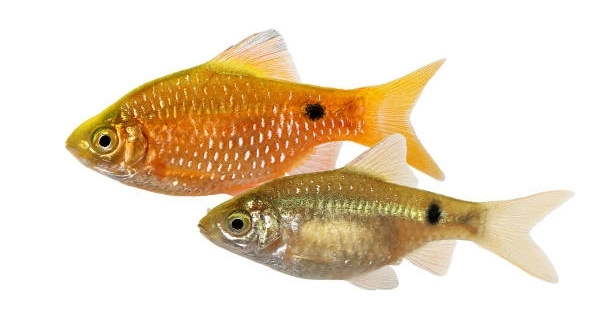
Rosy Barbs are a popular freshwater fish often seen swimming near the water’s surface in home aquariums. Their behavior is common and can be influenced by several environmental and biological factors. Understanding these reasons helps keep them healthy and comfortable.
Rosy Barbs stay near the surface primarily due to oxygen availability, feeding habits, temperature preferences, and stress responses. They seek higher oxygen levels found near the surface and prefer feeding at the top. Additionally, warmer water layers and environmental stress can influence this behavior.
Knowing why Rosy Barbs remain close to the surface can improve aquarium care and ensure a healthier environment for these lively fish.
Oxygen Levels Near the Surface
Rosy Barbs often stay near the surface because this area contains higher oxygen concentrations. Water closer to the surface is in direct contact with air, allowing more oxygen to dissolve. Fish rely on oxygen dissolved in water to breathe, so they naturally seek spots where oxygen is abundant. If the aquarium water is not well-oxygenated, Rosy Barbs will spend more time near the surface to access enough oxygen. This behavior is common in many fish species, especially in tanks with poor aeration or overcrowding. Providing proper filtration and aeration helps maintain good oxygen levels throughout the tank. Regular water changes also prevent oxygen depletion and keep the environment healthy. When oxygen levels drop, fish may gasp at the surface, which is a clear sign of distress. Watching where your Rosy Barbs spend most of their time can indicate how well your tank is oxygenated and if adjustments are needed to improve water quality.
Low oxygen near the bottom pushes Rosy Barbs to the surface for better breathing.
Maintaining good oxygen levels in your aquarium is vital for Rosy Barbs’ health. Use air pumps or surface agitation to improve oxygen exchange. Ensure your tank is not overcrowded, which can deplete oxygen quickly. Proper plant selection also matters—some plants consume oxygen at night, affecting levels. Keep an eye on water temperature because warmer water holds less oxygen. By creating a balanced environment, your Rosy Barbs will be comfortable and active throughout the tank, not just near the surface.
Feeding Habits of Rosy Barbs
Rosy Barbs are naturally surface feeders, preferring to eat floating food.
These fish are opportunistic feeders in their natural habitats and tend to search for food near the water’s surface. In home aquariums, they expect flakes, pellets, or other food dropped from above. Their swimming near the surface helps them quickly find and capture food before it sinks. Feeding at the surface also means they can avoid competing with bottom-dwelling fish. However, it is important to balance feeding routines so that food does not accumulate at the top, which can affect water quality. Offering a mix of floating and sinking food helps keep Rosy Barbs nourished and encourages more movement throughout the tank. Observing their feeding behavior can also reveal if they are healthy and active, which is essential for maintaining a lively aquarium.
Temperature Preferences
Rosy Barbs prefer warmer water near the surface, which influences their position in the tank.
Water temperature varies by depth, and the upper layers tend to be warmer because of exposure to room temperature and lighting. Rosy Barbs naturally gravitate toward these warmer zones as it helps regulate their metabolism and energy levels. Cooler water at the bottom can slow them down, so they stay near the surface where conditions are more comfortable for their activity. Maintaining a stable temperature within the recommended range of 68–79°F (20–26°C) supports their well-being and encourages natural behavior. Sudden drops or rises in temperature can stress them, causing unusual swimming patterns.
The heat near the surface also promotes their digestion and feeding activity. When temperatures drop too low, Rosy Barbs might become sluggish and less likely to feed. By controlling heater settings and monitoring water temperature regularly, you create a healthier environment that matches their natural preferences and keeps them active.
Stress and Environmental Factors
Stress can drive Rosy Barbs to seek the safety of the surface area, especially if their tank conditions are not ideal.
Stressors include poor water quality, aggressive tank mates, overcrowding, or sudden changes in light and temperature. When stressed, Rosy Barbs often swim near the surface where they might feel less threatened or can breathe more easily due to higher oxygen levels. Stress weakens their immune system, making them vulnerable to disease. Keeping the aquarium clean, providing hiding spots, and avoiding aggressive fish helps reduce stress. Regular monitoring and gentle handling are key to maintaining their comfort and health.
Environmental factors such as lighting and water movement also affect their behavior. Bright or flickering lights can make them anxious, causing them to stay near the surface or try to escape. On the other hand, gentle water currents encourage natural swimming patterns and reduce boredom. Tailoring tank conditions to their needs helps Rosy Barbs feel secure and less likely to stay in just one area.
Social Behavior and Schooling
Rosy Barbs are social fish that feel safer swimming near the surface with their group.
Schooling near the surface helps them stay alert to potential threats. They rely on each other for protection and to navigate their environment more confidently.
Tank Size and Space
A smaller or overcrowded tank can force Rosy Barbs to remain near the surface. Limited space restricts their movement and access to different water levels. Proper tank size and layout allow them to explore freely, reducing surface dwelling caused by confinement.
Water Quality
Poor water quality encourages Rosy Barbs to stay near the surface.
Light and Reflection
Strong lighting or reflections on the tank surface can attract Rosy Barbs to the top.
FAQ
Why do Rosy Barbs stay near the surface more than other fish?
Rosy Barbs naturally prefer the upper water layers due to their feeding habits, oxygen needs, and temperature preferences. Unlike bottom dwellers, they look for floating food and warmer, oxygen-rich water. Their behavior is normal and reflects how they adapt to tank conditions.
Is it harmful if Rosy Barbs spend most of their time near the surface?
Not necessarily. If water quality and temperature are stable, spending time near the surface is fine. However, if they gasp for air or seem lethargic, it could signal oxygen shortage or stress. Checking water parameters and improving aeration can help.
How can I improve oxygen levels in my aquarium?
Increase aeration using air stones or filters that cause surface agitation. Regular water changes also help maintain oxygen. Avoid overcrowding, and keep plants that don’t consume oxygen at night to ensure healthy oxygen balance.
Can lighting affect where Rosy Barbs swim?
Yes, bright or flickering lights can make Rosy Barbs uncomfortable, pushing them to seek shaded or calmer areas near the surface. Adjusting light intensity and providing shaded spots helps reduce stress and encourage natural swimming.
What tank size is best for Rosy Barbs?
A minimum of 20 gallons is recommended for a small school. Rosy Barbs are active swimmers and need space to move vertically and horizontally. Overcrowded tanks limit their movement and can cause them to stay near the surface more than usual.
How many Rosy Barbs should be kept together?
They thrive in groups of at least five to eight. Being social fish, they feel more secure and exhibit natural behavior when schooling. Smaller groups may cause stress or loneliness, which can affect their health and activity.
Why do Rosy Barbs sometimes gasp at the surface?
Gasping is a sign they are trying to get more oxygen. This usually happens if oxygen levels are low due to poor aeration, overcrowding, or high water temperature. It is important to address these issues quickly to avoid health problems.
Does water temperature affect their position in the tank?
Yes. Warmer water near the surface attracts Rosy Barbs because it supports their metabolism and digestion. Cold water at the bottom may slow them down. Keeping the temperature steady between 68–79°F helps maintain their activity and comfort.
What can cause stress in Rosy Barbs?
Stress can be caused by poor water quality, aggressive tank mates, overcrowding, or sudden changes in the environment. Stress weakens their immune system and changes behavior. Providing hiding places and stable conditions helps reduce stress.
Are Rosy Barbs sensitive to water changes?
They can be sensitive to sudden or large water changes. Gradual changes with proper acclimation avoid shock. Frequent small water changes are better than occasional large ones to keep water stable and healthy.
Can the type of food influence their swimming habits?
Yes. Rosy Barbs prefer floating foods and will stay near the surface during feeding times. Offering a mix of floating and sinking foods encourages them to explore other tank areas, promoting balanced activity and reducing surface dwelling.
How do I know if my Rosy Barbs are healthy?
Healthy Rosy Barbs are active, have clear eyes, smooth scales, and swim confidently. They should feed well and show normal coloring. Any signs of gasping, lethargy, or unusual spots may indicate health issues that need attention.
What role does social interaction play in their behavior?
Social interaction is vital. Rosy Barbs feel safer in groups and swim together near the surface for protection. Lack of social interaction can cause stress and change their swimming patterns. Keeping them in groups promotes natural behavior.
How often should I clean the tank to keep Rosy Barbs comfortable?
Regular cleaning, about 20-25% water changes weekly, keeps water quality high. Cleaning the substrate and filter media ensures waste doesn’t build up, maintaining oxygen and reducing stress on the fish.
Is it normal for Rosy Barbs to jump out of the tank?
Yes, they can be jumpers, especially when startled or stressed. A secure lid or cover is important to prevent escapes and keep them safe.
Can plants affect their position in the tank?
Yes, plants can provide shelter and shade, encouraging Rosy Barbs to explore beyond the surface. However, dense plants might limit swimming space, so balance is key for their comfort and natural behavior.
Rosy Barbs’ habit of staying near the surface is influenced by several important factors. These include oxygen availability, feeding habits, temperature preferences, and stress levels. Each factor plays a role in why these fish often choose the upper water layers over the bottom or middle parts of the tank. Understanding these influences helps in creating a healthy and comfortable environment for Rosy Barbs. Proper tank maintenance and attention to their needs can encourage natural behavior and reduce signs of distress.
Maintaining good water quality is crucial for Rosy Barbs to thrive. Since they rely on oxygen dissolved near the surface, proper aeration and filtration are essential. Tank size and stocking levels also affect their behavior; overcrowded or small tanks may force them to stay near the surface more than usual. Temperature control is equally important, as Rosy Barbs prefer slightly warmer water found in upper layers. Paying attention to lighting, tank decorations, and social groupings can also help reduce stress and improve their well-being.
By addressing these factors, Rosy Barbs will be more likely to swim throughout the tank instead of lingering near the surface all the time. Observing their habits closely can provide clues about the aquarium’s condition and whether any adjustments are needed. Providing a stable environment with balanced feeding, clean water, and suitable companions will ensure these colorful fish remain healthy and active. Taking simple steps to meet their needs can make a noticeable difference in their behavior and overall happiness in the aquarium.

Hello,
If you enjoy the content that we create, please consider saying a "Thank You!" by leaving a tip.
Every little bit helps us continue crafting quality advice that supports the health, happiness, and well-being of pets around the world, for pets of all shapes, sizes, and species.
We really appreciate the kindness and support that you show us!