
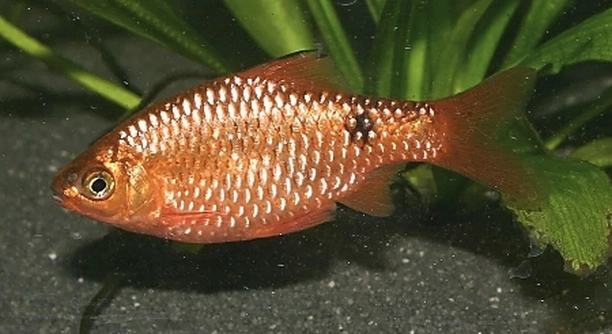
Feeding rosy barbs at the right times plays a key role in their health and well-being. Many fish owners seek a feeding schedule that supports growth and maintains water quality. Consistency is important when caring for these active fish.
The best feeding times for rosy barbs are spaced throughout the day, ideally three to four times daily. This approach helps regulate their metabolism, prevents overfeeding, and reduces waste buildup in the tank, promoting a stable aquatic environment.
Knowing the optimal feeding schedule can improve your rosy barbs’ health and keep their tank cleaner for longer periods.
Morning Feeding Routine for Rosy Barbs
Feeding rosy barbs in the morning helps start their day with energy. Early feeding mimics their natural behavior, as many fish become more active with daylight. A light meal at this time provides necessary nutrients after their overnight fasting period. It also stimulates their metabolism and encourages healthy digestion. Overfeeding at this time should be avoided to prevent water contamination. Offering small portions ensures that food is consumed quickly, reducing the risk of leftover waste. Consistent morning feedings set a good tone for the rest of the day and help establish a routine both for the fish and the caretaker.
Morning feedings are best kept light to avoid overloading the tank with waste early in the day.
Providing a proper morning feeding supports rosy barbs’ health and vitality. It also keeps the aquarium clean and balanced by reducing leftover food that can pollute the water. Regular morning feedings promote natural activity levels, leading to better overall well-being.
Midday Feeding Benefits
Midday feeding keeps rosy barbs active and nourished throughout the day. It prevents hunger and encourages social behavior among the fish. Providing food during this time supports steady energy levels and healthy growth. It also allows for observation of their health and activity. Feeding midday should involve moderate portions to avoid overfeeding, which can disrupt water quality. This feeding time can be a useful way to monitor the fish for any changes in appetite or behavior. When done properly, it contributes to a balanced diet and a stable tank environment.
Evening Feeding Tips
Evening feeding helps rosy barbs prepare for their resting period. It should be light to avoid leftover food overnight. Feeding too much late in the day can affect water quality and fish health.
Providing a small meal in the evening supports their natural rhythm and digestion. Rosy barbs tend to be less active as daylight fades, so a lighter portion ensures they are nourished without causing waste buildup. This feeding time is important for maintaining consistent energy levels and preventing hunger before nighttime rest.
To avoid overfeeding in the evening, observe how much your rosy barbs consume and adjust portions accordingly. Uneaten food can quickly degrade water quality, leading to harmful conditions. Using this feeding schedule helps maintain a healthy, balanced environment that supports the fish’s overall well-being.
Feeding Frequency and Portion Control
Feeding rosy barbs too often can lead to health problems and poor water quality. Limiting feedings to three or four times daily is ideal. Portions should be small and eaten within minutes to reduce waste.
Controlling the amount of food is essential for maintaining water quality. Excess food decays and increases toxins like ammonia. Overfeeding can cause obesity and stress in rosy barbs, impacting their lifespan. Observe how much your fish eat at each feeding and adjust accordingly. Using measured portions helps maintain a clean tank and keeps fish healthy.
Frequent, small feedings throughout the day support steady metabolism and energy. Feeding less but more often is better than giving a large meal that fish may not finish. This method ensures nutrition without compromising tank conditions.
Feeding Rosy Barbs on Weekends
Weekend feeding can differ due to a change in routine. It’s important to maintain the usual feeding times to avoid stressing the fish. Consistency helps keep their metabolism stable.
If your schedule varies on weekends, try to feed at similar times. Avoid skipping meals or doubling portions, as this disrupts their balance.
Using Live and Frozen Foods
Live and frozen foods are excellent supplements to flakes or pellets. They provide extra nutrients and encourage natural hunting behaviors in rosy barbs. Including these foods twice or thrice weekly can improve their diet diversity and health.
Avoid Overfeeding
Overfeeding causes water pollution and health problems. Feed only what the fish can consume quickly to prevent these issues.
FAQ
How often should I feed my rosy barbs?
Feeding rosy barbs three to four times daily works best. This frequency keeps their metabolism active and prevents hunger without overloading the tank. Each feeding should offer only as much food as they can finish within a few minutes to avoid waste buildup.
What types of food are best for rosy barbs?
A balanced diet includes high-quality flakes or pellets designed for tropical fish. Supplementing with live or frozen foods such as brine shrimp, daphnia, or bloodworms two or three times a week provides extra nutrients and stimulates natural feeding behaviors.
Can I feed my rosy barbs only once a day?
Feeding once daily is not ideal for rosy barbs because they are active fish needing steady energy. Feeding multiple smaller meals throughout the day supports their metabolism better and helps maintain water quality.
What happens if I overfeed my rosy barbs?
Overfeeding can lead to excess waste, which pollutes the water and stresses the fish. It can cause obesity and health problems like swim bladder issues. Uneaten food decomposes quickly, increasing ammonia levels and harming the tank environment.
Is it necessary to fast my rosy barbs occasionally?
Occasional fasting, such as one day a week, can be beneficial. It allows their digestive system to clear out and helps prevent constipation. However, this should be done carefully and not too frequently to avoid nutritional deficiencies.
How do I know if my rosy barbs are eating enough?
If your rosy barbs eagerly consume food within a few minutes, they are likely eating enough. If food remains uneaten or the fish appear lethargic, portion sizes may need adjusting. Regular observation helps maintain proper feeding amounts.
Are live foods better than pellets or flakes?
Live foods provide natural nutrients and encourage feeding instincts, but flakes and pellets are formulated to meet daily nutritional needs. A combination of both ensures a balanced diet and keeps the fish healthy.
Should feeding times change with the seasons?
Feeding schedules generally stay the same year-round for indoor aquariums. However, if water temperature drops significantly, metabolism slows and fish may need smaller portions or fewer feedings.
Can I feed my rosy barbs human food?
Human food is not recommended because it often lacks proper nutrients and can pollute the water. Stick to fish-specific foods to maintain health and tank quality.
What is the best way to introduce new foods?
Introduce new foods gradually by mixing small amounts with their current diet. This helps prevent digestive issues and allows the fish to adjust to new tastes and textures comfortably.
How can I prevent my rosy barbs from fighting over food?
Feed in multiple locations within the tank to reduce competition. Providing enough food spread evenly helps ensure all fish get their share without stress or aggression.
Does feeding frequency affect tank cleanliness?
Yes, more frequent feedings with appropriate portions minimize uneaten food, which keeps the tank cleaner. Overfeeding leads to waste buildup and can increase harmful bacteria and algae growth.
Are there signs of malnutrition in rosy barbs?
Signs include faded colors, slow swimming, and loss of appetite. Maintaining a balanced feeding schedule and diet helps prevent malnutrition and promotes vibrant health.
How should I adjust feeding for baby rosy barbs?
Baby rosy barbs need smaller, more frequent meals—around four to six times a day. Use finely crushed flakes or specialized fry food to support their growth and development.
Is it safe to feed rosy barbs at night?
Feeding at night is generally not recommended because fish are less active, and uneaten food can pollute the water overnight. Stick to feeding during daylight hours for better digestion and tank health.
Feeding rosy barbs correctly is important for their health and the cleanliness of their tank. Following a consistent feeding schedule helps maintain their energy levels and supports their growth. It also prevents overfeeding, which can cause water pollution and health issues for the fish. Paying attention to portion sizes and feeding frequency is key. Feeding them three to four times a day with small amounts is usually the best approach. This allows the fish to consume the food quickly, reducing waste in the aquarium.
Choosing the right types of food is equally important. A diet based mainly on quality flakes or pellets provides the nutrients rosy barbs need daily. Adding live or frozen foods a few times a week improves their diet by giving extra protein and encouraging natural feeding behavior. It also adds variety, which can keep the fish more interested in their meals. Avoid feeding human food or overfeeding, as this can harm the fish and the water quality. Proper feeding practices not only help your rosy barbs stay healthy but also make maintaining the tank easier.
Overall, keeping a good feeding routine benefits both the fish and the aquarium environment. Regular, well-timed meals with balanced portions help rosy barbs thrive. Consistency is important, so feeding at roughly the same times each day helps the fish’s metabolism and daily activity. Monitoring how much they eat and adjusting portions when needed will keep the tank cleaner and the fish happier. Taking care with feeding practices ensures that your rosy barbs live longer and enjoy better health, making the effort worthwhile.

Hello,
If you enjoy the content that we create, please consider saying a "Thank You!" by leaving a tip.
Every little bit helps us continue crafting quality advice that supports the health, happiness, and well-being of pets around the world, for pets of all shapes, sizes, and species.
We really appreciate the kindness and support that you show us!