
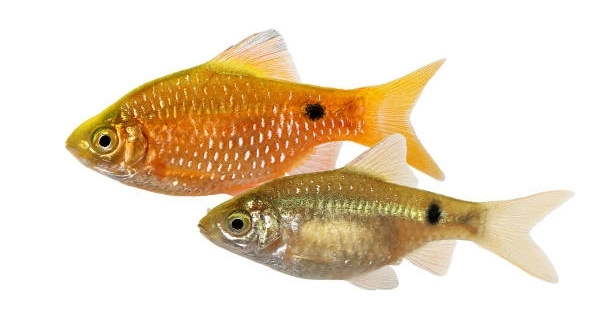
Are your Rosy Barbs showing signs of stress or unusual behavior in your aquarium? Many fishkeepers wonder how water temperature affects these colorful and active freshwater fish. Understanding this can help keep them healthy and vibrant in your tank.
Rosy Barbs are moderately sensitive to water temperature. They thrive best between 64°F and 72°F (18°C to 22°C). Temperatures outside this range can cause stress, reduce immunity, and affect their overall health and activity levels. Maintaining stable temperature is important.
Knowing the ideal temperature range and its effects can improve your Rosy Barbs’ wellbeing and prevent common health issues related to improper water conditions.
How Water Temperature Affects Rosy Barbs’ Health
Water temperature plays a key role in the health of Rosy Barbs. When the temperature is too low, their metabolism slows down, causing less activity and weaker immune responses. This can make them more vulnerable to diseases and infections. On the other hand, if the temperature rises too high, Rosy Barbs can become stressed, which also weakens their immune system and may shorten their lifespan. Rapid temperature changes are especially harmful, as fish need time to adjust. Stable conditions allow them to maintain normal behavior, feed well, and grow properly. It is important to monitor the aquarium temperature regularly using a reliable thermometer. Proper heating or cooling equipment can help keep the water within the ideal range, reducing stress and promoting a healthy environment. This balance supports their bright colors and active swimming, which are signs of well-being.
Maintaining a steady temperature avoids stress-related illnesses and keeps Rosy Barbs active and vibrant in the tank.
Adjusting temperature gradually when needed is best. Sudden shifts should be avoided to prevent shock. Using heaters with thermostats can help maintain consistent warmth. Cooler tanks may require aquarium chillers or placement in a cooler room. Besides temperature, other water parameters like pH and cleanliness also affect fish health. Proper tank maintenance complements temperature control for the best results. Regular observation helps catch any early signs of distress, allowing quick action. Healthy Rosy Barbs will display bright colors, swim energetically, and interact with their environment normally. Keeping a stable temperature fosters this natural behavior and overall vitality.
Signs Rosy Barbs Show When Temperature Is Wrong
When water temperature is off, Rosy Barbs often show clear signs. They may become sluggish, hide more, or lose their appetite. These behaviors signal discomfort or stress.
If you notice these changes, checking and adjusting the temperature is important. Stress from temperature extremes can lead to diseases or even death if not corrected. Keeping the water stable helps your fish stay lively and healthy over time. Regularly testing water temperature is an easy step toward preventing these problems. This care ensures Rosy Barbs enjoy their aquarium environment fully and maintain their natural behaviors.
Ideal Temperature Range for Rosy Barbs
Rosy Barbs do best in water between 64°F and 72°F (18°C to 22°C). Staying within this range supports their health and behavior.
Keeping the temperature steady in this range helps Rosy Barbs stay active and reduces stress. Temperatures below 64°F slow their metabolism, causing lethargy and weakening their immune system. Above 72°F, the water can become too warm, raising their metabolism too high and causing discomfort or even oxygen shortage. This range mimics their natural habitat, where water is cool but not cold. Regular checks with an aquarium thermometer help maintain these conditions. Using a reliable heater with a thermostat prevents unwanted fluctuations and keeps the environment stable for your fish.
Adjusting the temperature gradually if it needs to change is important. Sudden shifts can shock Rosy Barbs, leading to illness or behavioral problems. A heater with a built-in thermostat provides control and consistency. Cooler rooms or air conditioning might be needed in hot climates to avoid overheating. Ensuring proper aeration helps oxygen levels stay balanced, which supports fish health at optimal temperatures.
Effects of Temperature Fluctuations on Rosy Barbs
Frequent or rapid changes in temperature stress Rosy Barbs and disrupt their normal behavior. Stability is key for their wellbeing.
Temperature fluctuations cause Rosy Barbs to become stressed, lowering their resistance to diseases. Stress can result in loss of appetite, hiding, and weakened immune response. Even small shifts, if sudden or repeated, affect their metabolism and overall health. Consistent water temperature allows them to maintain regular activity and feeding patterns. Using equipment like heaters with thermostats and avoiding placing tanks near windows or vents helps prevent fluctuations. Stable temperature is one of the easiest ways to promote a healthy aquarium environment and support the long-term health of Rosy Barbs.
Monitoring Water Temperature
Using a reliable aquarium thermometer is essential for monitoring water temperature accurately. Digital or glass thermometers work well, but placement matters.
Place the thermometer away from heaters or filters to get a true reading. Regular checks help catch any changes early, preventing stress on your Rosy Barbs.
How to Adjust Temperature Safely
Adjust temperature slowly to avoid shocking the fish. Raise or lower it by no more than 1°F per hour when possible. Use aquarium heaters with thermostats for precise control. Avoid placing tanks near drafts, sunlight, or heat sources to minimize temperature swings.
Temperature and Breeding Rosy Barbs
Temperature affects breeding success. Rosy Barbs breed best around 68°F to 72°F. Stable conditions encourage spawning behavior. Sudden changes can prevent breeding or harm eggs.
Signs of Temperature Stress
Lethargy, loss of appetite, and hiding are common signs of temperature stress. Watch for these behaviors to protect your fish’s health.
FAQ
What is the best water temperature for Rosy Barbs?
The ideal water temperature for Rosy Barbs is between 64°F and 72°F (18°C to 22°C). This range supports their health, activity, and coloration. Staying within this range helps prevent stress and keeps their metabolism balanced.
Can Rosy Barbs tolerate sudden temperature changes?
No, sudden temperature changes can cause shock and stress to Rosy Barbs. It is important to adjust the temperature gradually, no more than 1°F per hour, to allow the fish to acclimate safely. Sudden shifts can weaken their immune system and lead to illness.
How can I measure the water temperature accurately?
Using a reliable aquarium thermometer is the best way to measure water temperature. Digital thermometers offer quick and accurate readings, while glass thermometers can be a good alternative. Make sure to place the thermometer away from heaters and filters to get an accurate temperature.
What happens if the water temperature is too low for Rosy Barbs?
When water temperature is too low, Rosy Barbs’ metabolism slows down. They become less active, eat less, and their immune system weakens. Prolonged exposure to cold water increases the risk of diseases and poor health.
What happens if the water temperature is too high?
High water temperature speeds up the metabolism of Rosy Barbs, causing stress and potential oxygen shortages. This can make them more vulnerable to illness and shorten their lifespan. Keeping the water within the recommended range helps avoid these risks.
How often should I check the aquarium temperature?
It is best to check the water temperature daily, especially if the tank is in a room where temperatures fluctuate. Frequent checks help catch any problems early, so you can make adjustments before the fish become stressed.
Can water temperature affect Rosy Barbs’ breeding?
Yes, breeding success is closely linked to water temperature. Rosy Barbs breed best between 68°F and 72°F. Stable temperatures encourage spawning and healthy egg development. Sudden temperature changes may disrupt breeding or harm eggs.
Are Rosy Barbs more sensitive to temperature than other fish?
Rosy Barbs are moderately sensitive compared to some tropical fish. They tolerate a range but need stable conditions. Large or rapid temperature changes affect them more than steady environments, so maintaining consistent temperature is important.
What equipment can help maintain a stable temperature?
A quality aquarium heater with a built-in thermostat is essential. It keeps the water at the desired temperature without fluctuations. In warmer climates, an aquarium chiller or cooling fans may be necessary. Using insulation or placing the tank away from windows and vents also helps.
Is it normal for Rosy Barbs to hide if the temperature is wrong?
Yes, hiding is a common stress response to improper water temperature. When stressed, Rosy Barbs may swim less or stay hidden. If this behavior continues, check the temperature and other water parameters to find and fix the issue.
Can temperature changes affect water quality?
Yes, temperature affects oxygen levels and the growth of bacteria. Warm water holds less oxygen, which can stress fish. It also speeds up the breakdown of waste. Keeping temperature stable supports good water quality and a healthy tank environment.
How can I safely raise the temperature in my tank?
To safely raise the temperature, increase it slowly by about 1°F per hour. Use a heater with a thermostat for accurate control. Avoid placing the tank near sudden heat sources to prevent rapid spikes.
How can I safely lower the temperature in my tank?
Lowering temperature should also be gradual. Use an aquarium chiller or move the tank to a cooler area. Avoid ice or cold water additions, as these can shock the fish. Slow adjustments help fish stay healthy.
What are the signs that Rosy Barbs are comfortable with the temperature?
Comfortable Rosy Barbs swim actively, eat regularly, and display bright colors. They interact with other fish and explore the tank. These behaviors show they are not stressed by temperature or other conditions.
Can improper temperature cause disease in Rosy Barbs?
Yes, temperature stress weakens the immune system, making Rosy Barbs more vulnerable to infections. Keeping water temperature stable reduces disease risk and supports their natural defenses.
Is it necessary to have a backup heater?
Having a backup heater is a good precaution. If the main heater fails, a spare can prevent temperature drops that stress or harm the fish. This is especially important in colder climates or if the tank is unattended for periods.
How long can Rosy Barbs survive if the temperature is outside the ideal range?
Survival depends on how far and how long the temperature is outside the ideal range. Short exposure to mild shifts may be tolerated, but prolonged extremes cause stress, disease, and death. Maintaining proper temperature is key to their long-term health.
Do Rosy Barbs need different temperatures in different tank sizes?
No, the ideal temperature range is the same regardless of tank size. However, smaller tanks may experience faster temperature fluctuations, so monitoring is even more important in smaller setups.
What role does aeration play with temperature control?
Aeration helps maintain oxygen levels, which can drop when water temperature rises. Good aeration supports fish health, especially in warmer water. It also helps circulate water, reducing temperature gradients in the tank.
Can temperature affect Rosy Barbs’ color?
Yes, stress from incorrect temperature can dull their colors. Maintaining a stable, suitable temperature helps Rosy Barbs keep their vibrant red and orange hues. Healthy water conditions support bright and consistent coloration.
Final Thoughts
Maintaining the right water temperature is one of the most important factors in caring for Rosy Barbs. These fish prefer water that is cool but not cold, ideally between 64°F and 72°F (18°C to 22°C). Keeping the temperature steady within this range helps support their health, activity, and natural colors. Sudden changes or temperatures outside this range can cause stress, which weakens their immune system and makes them more vulnerable to illness. By paying close attention to temperature, you give your Rosy Barbs the best chance to thrive and live a long, healthy life.
Using reliable equipment like an aquarium heater with a built-in thermostat makes maintaining a stable temperature easier. Regularly checking the water with a thermometer ensures the environment stays consistent. It is also important to avoid placing the tank in spots where it will be exposed to drafts, direct sunlight, or other factors that can cause temperature swings. Slow, gradual adjustments to temperature are always better than quick changes, which can shock the fish. Stability is key in creating a comfortable home for your Rosy Barbs.
Temperature is not the only factor affecting the health of Rosy Barbs, but it plays a crucial role in their overall well-being. Along with proper water quality, diet, and tank maintenance, keeping the temperature right will help your fish stay active, colorful, and happy. Observing their behavior regularly can alert you to potential problems early. Healthy Rosy Barbs will swim actively, eat well, and display bright colors. Focusing on water temperature is a simple step that makes a big difference in their care and enjoyment in your aquarium.

Hello,
If you enjoy the content that we create, please consider saying a "Thank You!" by leaving a tip.
Every little bit helps us continue crafting quality advice that supports the health, happiness, and well-being of pets around the world, for pets of all shapes, sizes, and species.
We really appreciate the kindness and support that you show us!