
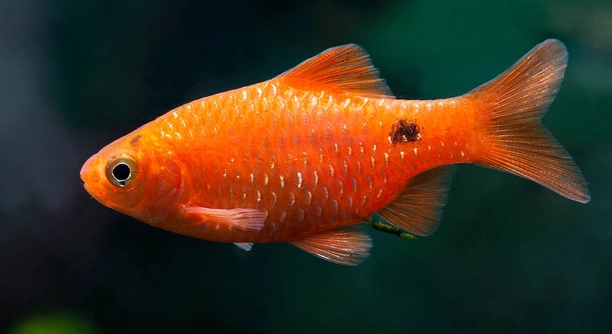
Rosy Barbs are popular freshwater fish often kept in home aquariums. Their behavior and preferences can influence how well they thrive in a tank environment. Plant choice is an important part of creating a comfortable habitat for them.
Rosy Barbs show a clear preference for smooth plants over textured ones. Smooth leaves allow easier swimming and feeding, while textured plants may cause discomfort or be avoided by the fish. This preference supports better health and natural behavior.
Understanding the types of plants Rosy Barbs prefer helps create a healthier and more natural aquarium setting. This knowledge can improve the care and enjoyment of these lively fish.
Why Rosy Barbs Prefer Smooth Plants
Rosy Barbs tend to favor smooth plants because these provide a more comfortable and safer environment for swimming and hiding. The smooth texture reduces the risk of injury to their delicate fins and scales. Rough or textured plants can sometimes have sharp edges or tough surfaces that might irritate or harm the fish. Smooth plants also allow Rosy Barbs to glide through the water more easily, helping them feel less stressed. In addition, smooth leaves make it simpler for these fish to find food hiding around plants. Many common aquarium plants like Anubias and Java Fern have smooth surfaces that Rosy Barbs seem to enjoy. When selecting plants for a Rosy Barb tank, smooth-leafed species can create a more natural and calming habitat, supporting their overall health and activity levels.
Smooth plants help Rosy Barbs feel secure while moving and feeding in their aquarium space.
Choosing the right plants with smooth textures can reduce stress and improve the well-being of Rosy Barbs. This makes their tank more inviting and easier for them to explore, promoting natural behavior and a happier fish. It’s important to match the plants to the fish’s preferences to keep them comfortable and active.
How Textured Plants Affect Rosy Barbs
Textured plants have leaves with rough surfaces or fine hairs, which can cause discomfort to Rosy Barbs. These plants sometimes make swimming less smooth and can lead the fish to avoid those areas. While some fish like textured plants for hiding, Rosy Barbs tend to be less tolerant. The uneven surfaces might cause small injuries or make it harder for the fish to move around quickly. This can result in the fish feeling stressed or less willing to explore the tank fully.
Rosy Barbs are more cautious around plants with rough or fuzzy leaves, often spending less time near them.
It’s important to understand that while textured plants offer variety in an aquarium, they might not be ideal for Rosy Barbs. These fish prefer open swimming areas and smooth plants that don’t interfere with their movement. If textured plants are included, they should be placed carefully to avoid disrupting the fish’s regular swimming paths. Smooth plants support better activity and reduce the chance of fin damage. Overall, picking mostly smooth-leafed plants helps maintain a healthier, less stressful environment for Rosy Barbs. This choice supports their natural habits and keeps them more engaged in their surroundings.
Plant Placement for Rosy Barbs
Plant placement matters because Rosy Barbs need enough open space for swimming. Avoid overcrowding the tank with too many plants, especially textured ones. Smooth plants work well along the sides or back of the tank, creating natural boundaries without blocking movement.
Proper placement of smooth plants helps Rosy Barbs feel secure without restricting their activity. Placing plants near the tank’s edges provides hiding spots while leaving the center open for swimming. This balance supports their energetic nature. Grouping smooth plants together allows the fish to explore safely, while textured plants, if used, should be limited to small areas. Creating this layout encourages natural behavior, such as schooling and feeding. Avoid placing tall or rough plants where they could interfere with the fish’s swimming paths.
Keeping open swimming space is crucial since Rosy Barbs are active swimmers. Well-placed plants allow for both security and freedom, which helps maintain their health. Plants with smooth leaves placed thoughtfully provide shelter without crowding the tank.
Benefits of Using Smooth Plants in Rosy Barb Tanks
Smooth plants reduce the chance of fin damage, which is common when fish rub against rough surfaces. Rosy Barbs show less stress and more natural behavior when smooth plants dominate their environment. These plants also make tank maintenance easier by preventing debris buildup.
Smooth plants improve water quality by offering natural filtration and oxygenation, creating a healthier environment. Because Rosy Barbs prefer these plants, they spend more time hiding or resting among them, reducing their exposure to aggressive behavior or tank stress. Additionally, smooth plants help maintain clear water, as they are less likely to trap waste compared to textured plants. This benefits both the fish and the aquarium owner by simplifying cleaning routines. The visual appeal of smooth plants also creates a calm, natural look in the tank, enhancing its overall aesthetic without overwhelming the fish.
Using smooth plants supports Rosy Barbs’ well-being by minimizing injury risks, encouraging natural activity, and improving tank cleanliness. These benefits make smooth plants a practical and attractive choice for any Rosy Barb aquarium.
Common Smooth Plants for Rosy Barbs
Anubias, Java Fern, and Amazon Sword are popular smooth plants often chosen for Rosy Barb tanks. Their broad, smooth leaves provide safe shelter and easy swimming space.
These plants are hardy and easy to care for, making them ideal for both new and experienced aquarists.
Tips for Introducing Plants to a Rosy Barb Tank
When adding plants, rinse them thoroughly to remove pests or chemicals. Plant them firmly in the substrate to prevent uprooting. Monitor your fish’s behavior to ensure they adapt well to the new environment. Replace damaged plants promptly to maintain tank health.
How Plant Texture Influences Rosy Barb Behavior
Rosy Barbs tend to avoid areas with rough or fuzzy plant textures. Smooth plants encourage more active swimming and exploration, while textured plants can cause hesitation or hiding behavior.
Maintaining Plant Health in a Rosy Barb Aquarium
Regular trimming and cleaning keep plants healthy and reduce decay, which can harm water quality and fish health.
What types of plants are best for Rosy Barbs?
Smooth-leafed plants like Anubias, Java Fern, and Amazon Sword are ideal for Rosy Barbs. These plants provide safe surfaces that won’t damage their fins or scales. They also create comfortable hiding spots and open swimming areas, which help the fish feel secure and active. Avoid plants with rough or fuzzy leaves, as Rosy Barbs tend to avoid them.
How can I tell if my Rosy Barbs like the plants in their tank?
Watch their behavior closely. If the fish swim freely around the plants, rest among smooth leaves, and show less hiding or stress signs, it usually means they are comfortable. If they avoid certain plants or seem stressed near textured or crowded areas, it may be a sign that the plant choice or placement isn’t suitable.
Can Rosy Barbs damage aquarium plants?
Yes, Rosy Barbs are known to nibble on soft plants occasionally, but they usually avoid tough or well-established smooth plants. Textured or fragile plants might suffer more damage because they are harder to navigate or may invite more nibbling. Choosing hardy smooth plants can reduce damage and maintain a healthy aquarium.
Is it necessary to have live plants for Rosy Barbs?
While live plants are not strictly necessary, they offer many benefits. Live plants improve water quality by absorbing nitrates and providing oxygen. They also create natural hiding spaces and reduce stress for Rosy Barbs. Artificial plants with smooth surfaces can be used, but they lack these environmental benefits.
How often should I trim plants in a Rosy Barb tank?
Trimming should be done regularly, about every two to four weeks, depending on plant growth. Keeping plants trimmed prevents overcrowding and allows light to reach all parts of the tank. It also stops decaying leaves from polluting the water and helps maintain healthy plants.
What substrate works best for planting in a Rosy Barb aquarium?
Fine gravel or sand is best for planting smooth plants. These substrates hold roots firmly, preventing plants from being uprooted by active Rosy Barbs. Nutrient-rich substrates help plants grow stronger and healthier, supporting the tank’s ecosystem.
Do Rosy Barbs prefer densely planted tanks or open swimming areas?
Rosy Barbs prefer a mix of both. They need enough open space for active swimming and schooling, but also areas with smooth plants for resting and hiding. Overcrowded tanks can stress them, so balance is important.
How can I prevent Rosy Barbs from uprooting plants?
Planting firmly with heavier substrates and using plant weights or anchors can help. Position plants in less trafficked areas and avoid placing fragile plants where the fish swim frequently. Smooth, sturdy plants are less likely to be disturbed.
Are there any plants Rosy Barbs should not be kept with?
Avoid delicate, fine-leaved plants like Cabomba or certain mosses that can easily be damaged or uprooted. Also, plants with rough textures or sharp edges may cause injury or be avoided by the fish, making the tank less inviting.
Can lighting affect plant preference for Rosy Barbs?
Lighting does not directly change plant preference, but it affects plant health and growth. Healthy, well-lit smooth plants create better shelter and feeding areas for Rosy Barbs. Poor lighting can weaken plants, making them less attractive and less effective as habitat features.
What should I do if my Rosy Barbs seem stressed around plants?
Check if the plants have rough textures or are overcrowding the tank. Remove or rearrange plants to increase open swimming space. Ensure water quality is good and tank conditions are stable. Sometimes fish need time to adjust to new plants, so be patient.
How do smooth plants help with feeding behavior?
Smooth plants provide clear spaces and gentle surfaces where Rosy Barbs can search for food without difficulty. They prevent food from getting trapped in tough, textured leaves, making feeding easier and more natural.
Can artificial plants be used for Rosy Barbs?
Yes, artificial smooth plants can be used, but they don’t offer the same benefits as live plants. They don’t improve water quality or oxygen levels. If using artificial plants, choose soft, smooth ones to avoid injury.
What water conditions support both healthy plants and Rosy Barbs?
Moderate temperatures between 68–78°F (20–25°C), a pH of 6.5–7.5, and clean, well-filtered water create a good environment. Stable water parameters support both plant growth and Rosy Barb health.
How does plant texture affect the social behavior of Rosy Barbs?
Smooth plants encourage Rosy Barbs to swim and school openly, promoting social interaction. Textured plants may cause fish to hide or become less active, which can reduce natural schooling behavior.
Is it important to cycle the tank before adding plants and fish?
Yes, cycling ensures beneficial bacteria establish and stabilize water quality. This helps both plants and Rosy Barbs thrive without sudden changes or spikes in harmful substances.
Can plants help reduce aggression in Rosy Barb tanks?
Smooth plants create visual barriers and hiding spots, which can reduce stress and aggression by giving fish places to retreat. Dense, rough plants may increase territorial behavior by limiting open space.
How do I care for smooth plants to last longer in the aquarium?
Regular cleaning to remove algae, trimming dead leaves, and ensuring proper lighting and nutrients keep plants healthy. Avoid harsh chemicals that may damage leaves or roots.
What is the best way to introduce new plants with Rosy Barbs?
Introduce plants slowly, rinsing them well and planting firmly. Observe fish behavior to spot any negative reactions. Gradually add more plants once the fish are comfortable with the changes.
Choosing the right plants for a Rosy Barb tank is important for the health and happiness of the fish. Smooth plants are a clear favorite because they provide safe places to swim and hide without causing harm. These plants help Rosy Barbs move freely and reduce stress, which can lead to better behavior and stronger fish. When setting up a tank, it is best to include plants like Anubias, Java Fern, or Amazon Sword, as their smooth leaves suit Rosy Barbs well. These plants are also easy to care for, making them practical choices for many aquarium owners.
Plant placement plays a big role in how Rosy Barbs interact with their environment. Leaving enough open space in the middle of the tank allows these active fish to swim and school naturally. Placing smooth plants around the edges or back of the tank creates safe spots where the fish can rest or hide without feeling crowded. Textured plants should be limited or placed in less busy areas, as Rosy Barbs tend to avoid them. Proper plant placement not only improves the look of the aquarium but also supports the natural habits of the fish.
Maintaining healthy plants in the tank benefits both the Rosy Barbs and the overall ecosystem. Regular trimming and cleaning prevent plants from decaying and polluting the water, which keeps the environment stable and safe. Healthy smooth plants help improve water quality by absorbing waste and providing oxygen. This creates a balanced setting where Rosy Barbs can thrive. Overall, choosing and caring for the right plants is a simple but effective way to ensure a happy, healthy aquarium for Rosy Barbs.

Hello,
If you enjoy the content that we create, please consider saying a "Thank You!" by leaving a tip.
Every little bit helps us continue crafting quality advice that supports the health, happiness, and well-being of pets around the world, for pets of all shapes, sizes, and species.
We really appreciate the kindness and support that you show us!