
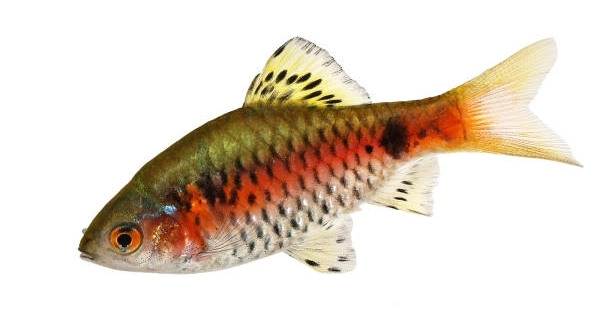
Rosy barbs are lively freshwater fish often kept in home aquariums. Watching their behavior closely helps ensure they live in a healthy and stress-free environment. Recognizing signs of bullying is important for their well-being.
Bullied rosy barbs often show physical injuries, such as torn fins or faded colors, alongside changes in behavior like hiding, reduced activity, and loss of appetite. These indicators reveal social stress within the aquarium group.
Identifying these signs early helps maintain harmony among your fish and promotes a balanced aquatic environment for all.
Common Signs of Bullying in Rosy Barbs
Rosy barbs that experience bullying often display clear physical signs such as torn or ragged fins, small wounds, or faded coloration. These injuries result from repeated nipping by more aggressive tank mates. Behaviorally, bullied fish tend to hide more often, staying close to plants or decorations to avoid confrontation. They may also swim less actively and show less interest in food, leading to a decline in their overall health. Observing these changes over time is essential because stress weakens their immune system, making them vulnerable to disease. If you notice a few fish isolating themselves or showing visible damage, it’s likely that bullying is occurring. Keeping a close eye on your aquarium dynamics allows you to intervene before problems escalate, ensuring a healthier environment for your rosy barbs.
Physical damage combined with altered behavior usually indicates bullying in your tank’s rosy barbs.
Taking quick action when these signs appear helps prevent long-term harm to your fish and improves their quality of life.
Causes of Bullying Among Rosy Barbs
Bullying among rosy barbs is often caused by overcrowding, limited hiding spaces, or an imbalance of male and female fish in the tank. Males tend to be more aggressive during breeding periods, which can lead to chasing and nipping. When the aquarium is too small or lacks sufficient decorations, shy fish have fewer places to retreat, increasing stress levels. Poor water quality or inconsistent feeding routines can also heighten aggression, as fish become more irritable. Introducing new fish suddenly without a proper acclimation process may disrupt the established social order, sparking conflicts. Monitoring the tank environment and fish population regularly helps maintain a peaceful community. Providing enough space and hiding spots encourages natural behavior and reduces tension among rosy barbs.
Avoiding overcrowding and maintaining a well-decorated tank are key steps to reduce bullying risks.
Creating a balanced environment supports calm interactions and promotes the health of all your fish.
How to Help a Bullied Rosy Barb
Separating the bullied fish temporarily can prevent further harm. Ensure the tank has enough hiding places to reduce stress and aggression.
Providing hiding spots like plants or decorations allows bullied rosy barbs to feel safe. Changing the tank layout can disrupt aggressive patterns and help balance social dynamics. Increasing the tank size or reducing the number of aggressive fish may also be necessary. Sometimes, adding peaceful species can help diffuse tension. Monitoring water quality and feeding schedules keeps the fish healthier and less prone to stress, which lowers aggression levels.
If separation is needed, use a quarantine tank or divider until the bullied fish recover. Observing interactions carefully helps decide when to reintroduce the fish safely. Keeping a calm environment is essential for reducing bullying behaviors and ensuring all fish thrive peacefully.
Preventing Bullying in Your Aquarium
Regular tank maintenance and proper stocking levels prevent overcrowding, a common cause of bullying. Balanced male-to-female ratios help reduce aggression during breeding periods.
Choosing compatible species and maintaining stable water conditions promote peaceful behavior among fish. Avoid sudden changes in the environment or adding too many fish at once, as this can trigger stress and conflict. Frequent observation allows early detection of aggressive behavior before it escalates. Offering a variety of food keeps fish satisfied and reduces competition. Investing in a well-planted aquarium with plenty of hiding places encourages natural, less aggressive behavior in rosy barbs and their tank mates.
Monitoring Rosy Barb Behavior
Regular observation is key to spotting bullying early. Watch for changes in swimming patterns or social interactions.
Noticing if a fish is frequently isolated or chased helps catch problems before they worsen. Consistent monitoring supports a healthier aquarium environment.
Using Tank Layout to Reduce Aggression
Rearranging plants and decorations can break up established territories. This change helps lower aggression among rosy barbs by disrupting dominance patterns.
A well-structured tank with plenty of hiding spots encourages natural, calm behavior and gives bullied fish places to retreat.
When to Consult a Professional
If bullying continues despite changes, seeking advice from an aquatic specialist is wise. They can suggest tailored solutions based on your tank’s specific conditions.
FAQ
How can I tell if my rosy barb is being bullied or just stressed?
Bullying usually shows physical signs like torn fins or wounds, combined with behavioral changes such as hiding and loss of appetite. Stress alone may cause similar behavior but without physical injuries. Observing consistent patterns of chasing or aggression from other fish points to bullying.
What should I do if I see one rosy barb bullying another?
First, try rearranging the tank decorations to break up territories. Increase hiding spots and ensure the tank isn’t overcrowded. If aggression continues, separate the bullied fish temporarily until the aggressor calms down.
Can bullying cause long-term harm to rosy barbs?
Yes, prolonged bullying weakens the bullied fish’s immune system, making them more prone to illness. It can also stunt their growth and cause lasting fin damage or stress-related diseases.
Is it normal for rosy barbs to nip each other occasionally?
Some nipping is normal during establishing social order, especially among males. However, constant chasing or severe fin damage means it has turned into bullying and should be addressed.
How many rosy barbs should I keep in one tank?
A good rule is about six rosy barbs for a 30-gallon tank. Too many fish in a small space increase stress and aggression. Make sure to provide enough swimming room and hiding places.
Can other fish species cause bullying toward rosy barbs?
Yes, more aggressive species can bully rosy barbs, especially if they are larger or territorial. Choose tank mates carefully to ensure peaceful coexistence.
Will adding more plants help reduce bullying?
Adding plants and decorations helps by giving fish places to hide and break lines of sight. This reduces stress and can lower aggressive behavior.
Should I separate bullied rosy barbs permanently?
Separation is usually temporary to allow healing and reduce stress. Long-term separation may harm the social dynamics of the tank, so reintroduce carefully once the fish recovers.
How does water quality affect bullying behavior?
Poor water quality stresses all fish, making aggression more likely. Maintaining clean, stable water conditions reduces stress and creates a calmer environment.
Can diet influence aggression in rosy barbs?
Yes, inconsistent feeding or poor nutrition can increase irritability and aggression. Feeding a balanced diet regularly helps keep fish healthy and less aggressive.
Is it possible to stop bullying without removing any fish?
Sometimes yes, by rearranging tank decorations, adding hiding spots, improving water quality, and reducing overcrowding. If aggression remains high, removing or separating aggressive fish may be necessary.
How long does it take for a bullied fish to recover?
Recovery time varies but usually takes a few weeks with proper care. Healing wounds, regaining appetite, and returning to normal behavior are signs of improvement.
What signs show that bullying has stopped?
Look for fish swimming confidently without hiding, healthy fins, and normal feeding behavior. Aggressors no longer chase or nip at others.
Can male rosy barbs be more aggressive than females?
Yes, males are often more territorial and aggressive, especially during breeding. Keeping a balanced ratio of males to females helps reduce conflicts.
Is there a difference in bullying behavior between young and adult rosy barbs?
Adult males tend to be more aggressive. Young fish may experience less bullying but can still be nipped during social hierarchy formation.
Can rearranging the tank too often stress the fish?
Frequent changes can cause stress. Rearrange only when necessary to reduce aggression and avoid upsetting the fish too much.
Final Thoughts
Keeping rosy barbs in a peaceful environment requires careful attention to their behavior and tank conditions. Bullying among these fish can harm their health and happiness if left unchecked. It is important to watch for signs such as torn fins, faded colors, or changes in swimming and eating habits. These indicators help identify if a fish is being bullied so action can be taken quickly. By observing your fish regularly, you can maintain a calm and balanced aquarium where all your rosy barbs can thrive.
Creating a suitable environment plays a big role in preventing bullying. Providing enough space and hiding spots reduces stress and aggressive behavior. Rearranging plants and decorations can break up established territories, helping lower tension between fish. Keeping a balanced number of males and females, avoiding overcrowding, and maintaining good water quality also support peaceful interactions. Feeding your fish a proper diet consistently will help keep them healthy and less prone to aggression. Small adjustments in care can make a big difference in how your rosy barbs behave.
If bullying persists despite your efforts, separating the bullied fish temporarily may be necessary to allow healing. It is also helpful to consult with an aquatic specialist if problems continue. They can offer advice tailored to your specific tank setup and fish. Remember that patience and careful management are key to creating a safe home for your rosy barbs. By paying attention to their needs and environment, you can enjoy watching them flourish in a stress-free community.

Hello,
If you enjoy the content that we create, please consider saying a "Thank You!" by leaving a tip.
Every little bit helps us continue crafting quality advice that supports the health, happiness, and well-being of pets around the world, for pets of all shapes, sizes, and species.
We really appreciate the kindness and support that you show us!