
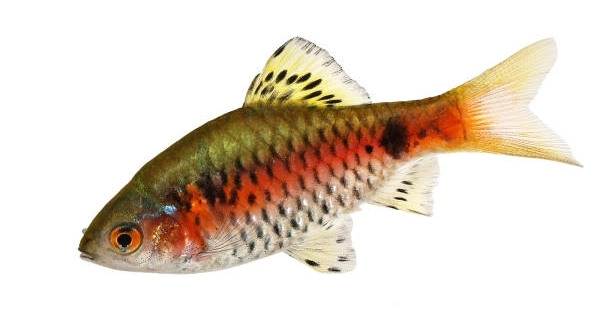
Have you ever watched your Rosy Barbs swim and wondered if they’re paying attention to the other fish around them?
Rosy Barbs are naturally social and observant fish that respond to movement and activity in their environment, including other species. While they don’t “watch” in the human sense, they are visually aware and curious.
Interactions between species in a shared tank can reveal subtle behaviors that influence social dynamics, comfort, and activity levels in Rosy Barbs.
How Rosy Barbs React to Other Species
Rosy Barbs are active, social fish that thrive in community tanks. When placed with other peaceful species, they often become more alert and interactive. They notice movement, changes in swimming patterns, and even feeding behaviors of tankmates. These interactions can stimulate their natural curiosity and keep them mentally engaged. They don’t form emotional bonds like mammals, but they are aware of their surroundings. If another species swims by quickly or behaves unusually, Rosy Barbs may follow, mimic, or react by changing their swimming speed. This shows a level of environmental awareness that supports the idea they’re observant. However, they’re not interested in “watching” the way humans might watch television. Their reactions are instinctual, tied to survival, food, or social dynamics. Providing a mixed-species tank environment with compatible fish can help them stay stimulated, active, and content. It also reduces the chance of boredom or stress in long-term captivity.
Their behavior often becomes more energetic and playful when other fish are active around them.
Rosy Barbs are not passive observers. They interact visually, react quickly to nearby motion, and adjust their behavior in response to the overall energy of the tank. Their awareness helps maintain balance within a shared aquatic environment.
Choosing the Right Tankmates
Rosy Barbs do best when kept with similarly active and peaceful fish that won’t nip or intimidate them.
Compatible tankmates like danios, platies, or certain types of tetras work well because they match the energy level of Rosy Barbs. These combinations create a balanced tank where all fish can swim freely without fear or competition. Avoid pairing them with slow-moving species or those with long fins, like bettas, as Rosy Barbs may nip at them. Also, overly aggressive fish can stress or harm your Rosy Barbs, leading to health issues. It’s important to maintain the correct group size, as Rosy Barbs are schooling fish and need companions of their own kind to feel secure. A group of five or more reduces stress and creates a natural rhythm within the tank. The right combination of species brings out the best in your Rosy Barbs’ behavior. It encourages interaction, maintains harmony, and makes your tank a more engaging place for both the fish and the person watching.
Visual Stimulation in Community Tanks
Rosy Barbs are naturally drawn to movement. In a mixed tank, they often follow or swim alongside other active fish. This keeps them mentally and physically stimulated, reducing signs of stress or dull behavior.
They rely heavily on their vision to interact with their environment. Fast-swimming fish or sudden movement often get their attention. You might notice them following the same path as another species or flaring their fins briefly. This isn’t aggression—it’s a normal response to new or changing activity. They also tend to swim more actively during feeding when other species gather near the surface. Watching other fish interact with the space around them can trigger your Rosy Barbs to become more curious, too. The presence of colorful or quick-moving species enhances their activity level, especially in well-lit tanks where visual cues are stronger. A dynamic tank encourages more natural and enriching behaviors in your Rosy Barbs.
Consistent exposure to new activity, like different fish swimming patterns, helps them stay alert. Over time, they become familiar with their tankmates and develop a rhythm based on the group’s behavior. They won’t “watch” for entertainment, but they do react to repeated motion, feeding routines, or unusual movements. Their awareness plays a key role in shaping their daily behavior.
The Importance of Group Behavior
Rosy Barbs are schooling fish that need the presence of others to feel safe and secure. When kept in proper groups, they display more relaxed, coordinated behavior that supports their well-being.
A group of five or more allows them to establish a natural pecking order, reducing stress and tension. It also makes them less likely to nip at other fish, since they focus more on interacting within their own group. This schooling behavior is visually coordinated—Rosy Barbs follow one another, turn together, and often react as a unit to nearby movement. When other species are present, the group may mimic or respond collectively. For example, if a group of danios swims by quickly, Rosy Barbs might react together, turning or speeding up in sync. This shared behavior adds energy to the tank and keeps them more alert. Without a proper group, a single Rosy Barb may become withdrawn, anxious, or too aggressive toward others.
Environmental Cues That Trigger Reactions
Changes in lighting, sudden movements, or feeding sounds often cause Rosy Barbs to become more active. They notice when other fish react and may join in, showing they’re tuned into what’s happening around them.
Even subtle cues like another fish exploring a corner can grab their attention. They often respond by following or swimming nearby, especially in tanks with varied plants or decor.
Why Observation Doesn’t Equal Curiosity
Rosy Barbs do not observe other fish out of curiosity the way humans do. Their reactions are based on instinct and environmental triggers. Movement, color, and feeding activity are the main reasons they appear to “watch.” These responses are automatic and help them assess safety or find food. While they are aware of nearby species, they are not observing for pleasure or interest. That said, their interactions can still feel lively and responsive, giving the impression of awareness. These behaviors are natural and important in community tanks where stimulation supports healthy activity. Watching others helps them stay alert without conscious intent.
Final Thought on Tank Dynamics
Shared environments shape behavior. The presence of active, peaceful fish encourages Rosy Barbs to engage more, promoting balance in the tank.
FAQ
Do Rosy Barbs get bored if kept alone?
Yes, Rosy Barbs can become bored and stressed if kept alone. They are schooling fish and need the presence of their own kind to feel secure. When isolated, they often display signs of discomfort, such as hiding, darting erratically, or losing color. Keeping them in a group of at least five helps them behave naturally, reduces stress, and supports a healthy social structure in the tank. Being alone can also make them more aggressive or withdrawn. Providing social interaction through proper tankmates is one of the best ways to keep them engaged and content in captivity.
Can Rosy Barbs recognize other species in the tank?
They do not “recognize” other species in the way humans recognize individuals, but they can visually detect and respond to different fish. They notice size, shape, movement, and behavior. If a tankmate is peaceful and behaves predictably, Rosy Barbs may swim near them without issue. However, if the species is aggressive, fast, or prone to fin-nipping, Rosy Barbs may react by avoiding or challenging them. Their responses are based on instinct and environmental cues rather than memory or social recognition. Still, over time, they may become familiar with the habits of certain fish around them.
Do Rosy Barbs mimic the behavior of other fish?
Rosy Barbs sometimes mimic or mirror the movement of other fish, especially during feeding or when exploring new areas of the tank. This isn’t true mimicry but a response to visual stimulation and group dynamics. When another species swims actively, Rosy Barbs may follow or increase their pace. This behavior is more likely in a community tank with high activity and multiple fish swimming at various levels. These interactions help Rosy Barbs stay alert and maintain a natural rhythm. They are not copying out of curiosity but reacting to changes and movement around them.
Are Rosy Barbs aggressive toward other species?
Rosy Barbs are generally peaceful when kept in the right group size and with compatible species. However, if they are in small numbers or kept with slow, long-finned fish, they may show nipping behavior. This is often mistaken for aggression but usually results from boredom or stress. Keeping them in a proper school and avoiding delicate or overly aggressive species prevents this issue. Fast-moving, similarly sized tankmates tend to reduce the chances of conflict. Providing enough swimming space and visual barriers in the tank also helps keep interactions balanced and peaceful.
Do Rosy Barbs show interest in what other fish are doing?
They respond to what other fish are doing, especially when movement or feeding is involved. However, their reactions are not based on curiosity. Instead, they are responding to visual signals that could mean food or a need to change direction. If another fish starts swimming quickly, Rosy Barbs often react, either by chasing, speeding up, or adjusting their course. They are visually aware but not emotionally invested. This awareness makes them seem observant, but it’s more about survival and social behavior than actual interest in others’ actions.
What are the best types of fish to keep with Rosy Barbs?
Fast, peaceful species like zebra danios, platies, cherry barbs, and certain tetras are ideal tankmates. These fish are active, do not have long fins, and won’t provoke Rosy Barbs. Avoid species that are too slow, aggressive, or known for fin-nipping. Betta fish, angelfish, or guppies with long tails may become targets for occasional nipping. Matching energy levels helps reduce conflict. Keeping a well-balanced tank with proper space, hiding areas, and plant cover also plays a role in peaceful coexistence. When paired well, Rosy Barbs thrive and display more relaxed, natural behavior.
Do Rosy Barbs remember interactions with other fish?
They do not have long-term memory like mammals, so they won’t “remember” individual fish or past events clearly. Their behavior is based more on routine, visual awareness, and instinct. However, they can adapt to a stable environment and learn feeding times or general patterns. In a consistent setup, they may seem familiar with their surroundings and tankmates. This doesn’t mean they remember specific interactions, but they do adjust based on ongoing conditions. Their behavior is shaped by repetition and routine rather than emotional memory or social learning.
Final Thoughts
Rosy Barbs are active fish that thrive in well-balanced community tanks. They respond strongly to visual movement, environmental changes, and the behavior of other fish. While they don’t watch other species out of curiosity, they are alert and responsive to what happens around them. Their awareness is tied to instinct, and it helps them adjust to their surroundings. Whether it’s a quick swim across the tank or a feeding moment, Rosy Barbs often react with noticeable energy. These natural responses keep them engaged and help them stay physically and mentally active in shared spaces.
Keeping Rosy Barbs in groups is important for their health and behavior. They are social by nature and rely on schooling to feel secure. Without enough companions of their own kind, they may become nervous, bored, or aggressive. When kept in a proper group and surrounded by peaceful, active species, they show more relaxed and natural behaviors. This includes swimming in patterns, reacting to motion, and engaging with the environment. Choosing the right tankmates, avoiding long-finned or aggressive species, and offering enough space all play a role in keeping them stable. A well-arranged tank setup encourages smoother interactions and keeps stress levels low.
Understanding how Rosy Barbs interact with their tankmates helps create a better environment for them. They do not watch others for fun, but they notice motion and respond to it in ways that reflect their instincts. Their behavior adds energy and rhythm to a community tank, especially when paired with the right species. It’s important to meet their social and environmental needs to support their health. This includes regular feeding, proper tank maintenance, and group living. With a thoughtful setup, Rosy Barbs remain alert, responsive, and active. Their visual awareness doesn’t mean curiosity, but it does help them feel more connected to their surroundings. A peaceful, well-managed tank allows them to thrive and behave in ways that reflect their true nature.

Hello,
If you enjoy the content that we create, please consider saying a "Thank You!" by leaving a tip.
Every little bit helps us continue crafting quality advice that supports the health, happiness, and well-being of pets around the world, for pets of all shapes, sizes, and species.
We really appreciate the kindness and support that you show us!