
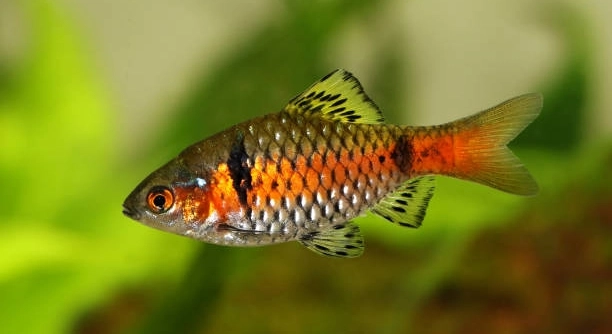
Rosy Barbs are colorful fish often seen swimming in home aquariums. These lively creatures sometimes swim against the flow of water, which can seem unusual to many fish keepers. Understanding this behavior helps in caring for them better.
Rosy Barbs swim against the flow mainly to build muscle strength and improve their balance. This natural behavior also helps them stay alert to their surroundings and avoid predators in the wild, supporting their overall health and survival.
This article explains why this swimming habit matters and how it affects their daily life and care in an aquarium setting.
Why Rosy Barbs Swim Against the Flow
Swimming against the current is a natural behavior for Rosy Barbs. In the wild, flowing water helps keep their environment fresh and oxygen-rich. By swimming upstream, these fish strengthen their muscles and improve their stamina. This constant movement helps them maintain good health. It also trains their bodies to respond quickly to changes in their surroundings, like avoiding predators or finding food. In an aquarium, recreating this flow is important for their well-being. Without some water movement, they may become less active or stressed. Many aquarists use filters or pumps to create a gentle current, encouraging Rosy Barbs to swim naturally. Observing them swim against the flow can be a sign they are healthy and comfortable in their tank.
The flow helps Rosy Barbs stay active and engaged. It also mimics their natural habitat, keeping them happy and alert.
Watching how they move against the current reveals much about their health and environment. It’s a simple way to know if your fish feel at ease.
How Water Flow Affects Rosy Barbs
Water flow is essential for Rosy Barbs because it provides oxygen and removes waste.
In natural habitats, rivers and streams have a steady current that supplies fresh, oxygenated water. Rosy Barbs have evolved to swim against these currents regularly, which helps keep their muscles toned and promotes strong cardiovascular health. In captivity, a tank without sufficient water movement can cause problems such as reduced activity levels and stress. Without flow, debris can settle, lowering water quality and increasing toxins. A moderate current also encourages natural behavior like schooling and exploration. Replicating their natural environment with proper water circulation can improve their lifespan and vitality. Filters and pumps that generate a gentle flow are highly recommended. Ensuring the tank’s water flow mimics their wild habitat keeps Rosy Barbs comfortable and supports their overall health.
Maintaining water flow is a key factor for creating a thriving environment for Rosy Barbs in captivity.
Benefits of Swimming Against the Flow
Swimming against the current helps Rosy Barbs develop stronger muscles. It keeps them active and alert in their environment. This behavior also improves their coordination and balance, which are important for survival.
The resistance created by flowing water forces Rosy Barbs to use more energy. This natural exercise helps maintain their fitness and prevents obesity. It also encourages better circulation, which supports overall health. When they swim against the flow, they practice movements they would need to escape predators or catch food. In tanks without current, these fish can become lazy or stressed, which may lead to health problems. Ensuring some water movement in the aquarium mimics their natural surroundings and promotes healthier fish behavior.
Additionally, swimming upstream can improve their social interactions. It encourages schooling and helps Rosy Barbs communicate better with each other. This natural activity supports both mental and physical well-being, making them more vibrant and lively in the tank.
How to Create the Right Water Flow
Water flow should be gentle yet consistent to suit Rosy Barbs. Too strong a current can tire them, while too little causes inactivity.
Using filters or pumps that produce moderate flow is ideal. Positioning the outlet to create soft circulation encourages natural swimming without overwhelming the fish. Regularly check the water movement to ensure it remains steady but not forceful. Adjusting flow settings helps maintain the right balance as the tank environment changes. Also, consider the tank size and number of fish when choosing equipment. Proper flow supports oxygenation and helps keep the water clean by moving debris toward filtration.
Creating the correct water flow supports both the physical health and natural instincts of Rosy Barbs. It helps them thrive and exhibit natural behaviors, making the aquarium a better habitat for these lively fish.
Recognizing Natural Behavior
Swimming against the flow is a sign that Rosy Barbs feel comfortable in their environment. This natural behavior shows they are active and healthy.
If Rosy Barbs stop swimming against the current, it may indicate stress or poor water conditions. Monitoring their behavior helps catch issues early.
Impact on Tank Maintenance
Water flow not only benefits the fish but also helps keep the tank clean. Moving water prevents debris from settling and promotes better filtration. This reduces the buildup of harmful substances, keeping the environment healthier for Rosy Barbs. Regular maintenance combined with proper flow ensures clear water and stable conditions.
Encouraging Swimming Activity
Providing a varied environment with plants and hiding spots alongside water flow encourages Rosy Barbs to swim actively.
FAQ
Why do Rosy Barbs prefer to swim against the current?
Rosy Barbs swim against the flow because it helps them build muscle strength and stay active. This behavior also keeps them alert and ready to respond to their surroundings. In the wild, swimming upstream helps them avoid predators and find food more efficiently. In an aquarium, the current simulates their natural habitat, making them feel comfortable and healthy.
Can swimming against the flow stress Rosy Barbs?
Swimming against a strong current can stress Rosy Barbs if the flow is too powerful for the size of the tank or the fish themselves. It’s important to provide a moderate current that encourages natural behavior without tiring them out. Too strong a current might cause fatigue, while no flow at all can lead to inactivity and stress.
How can I create the right water flow for my Rosy Barbs?
Use a filter or pump that produces gentle, steady water movement. Position the outlet so the current flows smoothly without being too forceful. Adjust the flow rate based on the number of fish and tank size. This balance keeps the water oxygenated and encourages natural swimming patterns, promoting good health and behavior.
What happens if my Rosy Barbs stop swimming against the current?
If they stop swimming upstream, it may signal stress, illness, or poor water quality. Lack of current or stagnant water can reduce their activity levels. Observing this change can help you identify when something in the tank needs attention, such as adjusting water flow or checking water parameters.
Does swimming against the flow improve Rosy Barbs’ lifespan?
Yes, regular swimming against the current promotes physical fitness and mental alertness, which can extend their lifespan. This exercise strengthens their cardiovascular system and muscles, helping them resist diseases and stress better than fish kept in still water.
Are there specific tank setups that encourage swimming against the flow?
A tank with moderate water flow, plants, and open swimming space encourages this behavior. Avoid overcrowding and provide hiding spots to reduce stress. Proper filtration that moves water without creating strong whirlpools helps Rosy Barbs swim naturally and comfortably.
Can Rosy Barbs live without water flow in their tank?
They can survive but may not thrive without some water movement. Still water often lowers oxygen levels and causes waste buildup. Lack of flow can lead to inactivity, stress, and health issues. Introducing gentle water currents supports their natural behavior and overall well-being.
How often should I check the water flow in my aquarium?
Regularly monitoring the water flow is important, ideally during weekly tank maintenance. Filters and pumps can lose efficiency over time or get clogged. Ensuring consistent, appropriate water movement keeps Rosy Barbs active and the tank environment healthy.
Does swimming against the current affect Rosy Barbs’ social behavior?
Swimming in flowing water encourages schooling and interaction. It helps them stay together and communicate more effectively. This natural activity reduces aggression and stress, promoting a peaceful tank environment.
Can I use artificial decorations to influence water flow?
Yes, strategically placing decorations can direct water currents and create gentle flow areas. Rocks, plants, and driftwood can help break strong currents into milder ones, allowing Rosy Barbs to swim comfortably against the flow without exhaustion.
Final Thoughts
Rosy Barbs swimming against the flow is a natural and important behavior. It helps keep them strong and healthy by giving them regular exercise. This activity also keeps their minds active, as they stay alert to changes around them. In their natural habitats, swimming against currents is common, so replicating this in an aquarium helps them feel more at home. When their environment supports this behavior, Rosy Barbs tend to live longer and show more natural, lively actions.
Providing the right water flow in your tank is key to encouraging this behavior. Too strong a current can tire them, while too little can make them inactive or stressed. It is important to find a balance that fits the size of your aquarium and the number of fish. Using filters or pumps that create gentle, steady movement is a good way to simulate natural water conditions. Also, placing decorations and plants thoughtfully can help control the flow, making sure it is comfortable for your Rosy Barbs.
Observing your Rosy Barbs’ swimming habits is a simple way to monitor their health and happiness. If they swim actively against the current, it usually means they are comfortable and well cared for. Changes in this behavior may signal stress or problems with water quality. Keeping the water clean and maintaining proper flow will help your fish thrive. Overall, supporting their natural swimming instincts creates a better environment and strengthens your bond with these colorful, energetic fish.

Hello,
If you enjoy the content that we create, please consider saying a "Thank You!" by leaving a tip.
Every little bit helps us continue crafting quality advice that supports the health, happiness, and well-being of pets around the world, for pets of all shapes, sizes, and species.
We really appreciate the kindness and support that you show us!