
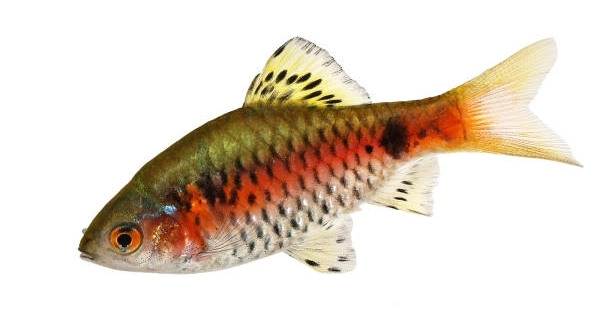
Many aquarium owners enjoy watching how fish interact during feeding time. These moments often reveal more than just eating habits. They can show the social order within the tank.
Feeding behaviors in fish tanks often indicate the hierarchy among inhabitants. Dominant fish usually eat first and control access to food, while lower-ranking fish wait or eat less. Observing these habits provides clear insight into the tank’s social structure.
Recognizing these patterns can help you manage your aquarium better. It also supports healthier group dynamics among your fish. This article explains seven key feeding habits that show tank hierarchy.
Dominant Fish Eat First
In most tanks, the dominant fish will be the first to eat once food is introduced. This behavior shows clear control over resources and space. They often swim confidently to the food and push others away if needed. This act not only asserts their status but also keeps lower-ranking fish waiting or feeding in less desirable spots. It’s common to see dominant fish eating larger portions or faster than the rest. This feeding habit helps maintain their position in the social order of the tank. Observing who eats first can quickly reveal the leaders in your aquarium.
Dominant fish usually display aggressive body language during feeding.
This behavior extends beyond just eating. Dominant fish may chase others away or block access to food. It helps them maintain their status and control over the tank environment. Recognizing this pattern allows you to understand the pecking order better. It also helps in managing feeding times to ensure all fish get enough nutrition. You may need to separate aggressive feeders or change feeding methods to support less dominant fish. Adjusting how and when you feed can reduce stress and improve overall tank harmony.
Feeding Spots and Hierarchy
Lower-ranking fish often eat from the edges or corners of the tank. These spots are less desirable but safer because they avoid direct confrontation. Feeding spots help show where each fish stands in the hierarchy. Fish in the middle usually have higher rank and better access to food. Those forced to the edges tend to be submissive or less confident. This behavior protects lower-ranking fish from aggressive encounters. Watching where fish choose to eat provides insight into their social status without direct aggression.
Feeding spots are key indicators of tank hierarchy.
Dominant fish claim the center or prime feeding zones. These areas offer easier access to food and better control over competitors. Subordinate fish retreat to safer spaces along the sides or corners, where they can feed without risking attacks. This separation reduces conflict during feeding times. However, it can also lead to uneven food distribution, affecting weaker fish. You can improve feeding fairness by scattering food or using multiple feeding points. Doing this encourages less dominant fish to eat more comfortably. Understanding feeding locations lets you balance tank interactions and keeps all fish healthy and calm.
Food Stealing Behavior
Food stealing is common among lower-ranking fish trying to get a share. They often dart in quickly to grab small bits before the dominant fish notice. This behavior shows their effort to survive despite their lower status. It also reveals ongoing competition for limited resources.
Stealing food requires quick movements and careful timing. These fish watch the dominant ones closely and wait for moments of distraction. It can create tension in the tank but also shows the resilience of less dominant fish. Sometimes stealing leads to brief chases or minor skirmishes. It’s important to watch how often this happens, as frequent stealing might mean food isn’t distributed well during feeding times.
Owners can reduce food stealing by spreading food across multiple locations in the tank. Using sinking pellets or feeding at different levels can also help. This encourages all fish to eat without constant competition or stress. Observing stealing behavior gives insight into the tank’s balance and highlights if feeding methods need adjusting for fairness.
Waiting and Patience
Some fish wait patiently on the sidelines, avoiding conflict during feeding. This behavior is common for fish lower in the hierarchy. They wait for dominant fish to finish before approaching the food. Waiting allows these fish to eat without risk of aggression or injury.
Patience shows understanding of social order and self-preservation. These fish accept their lower rank and adapt by timing their feeding carefully. Waiting fish often feed on leftover bits or food missed by others. This strategy ensures they get nutrition even if it’s less than dominant fish receive. It’s important to recognize this behavior to avoid assuming these fish are unhealthy or uninterested in food.
Feeding lower-ranking fish separately or offering smaller, frequent meals can improve their food intake. These adjustments help reduce stress and support healthier growth. Waiting behavior reveals important social dynamics that affect feeding success and overall tank health.
Fast Eating
Fast eating is typical of dominant fish trying to finish before others get a chance. They move quickly and take larger bites to secure more food. This behavior helps them maintain control during feeding times.
Quick consumption often leads to aggressive displays, pushing others away. It shows confidence and strength in the tank’s social order.
Food Guarding
Some fish guard food once they find it, protecting it from others. This behavior is a clear sign of dominance and territorial control. Guarding can include chasing or blocking other fish from approaching the food.
This action reinforces the hierarchy and keeps lower-ranking fish from accessing certain feeding spots or resources.
Eating Alone
Fish eating alone often avoid competition or aggression from others. They might seek out quiet areas in the tank to feed safely without disturbance.
Eating alone helps them avoid stress and injury.
How can I tell if my fish tank has a clear hierarchy?
A clear hierarchy in a fish tank shows through feeding habits and interactions. Dominant fish usually eat first, claim the best spots, and display more confident behavior. Lower-ranking fish may wait, eat smaller portions, or feed in corners. Watching who controls food and space during feeding times can help identify the social order.
What should I do if my dominant fish is too aggressive during feeding?
If aggression disrupts feeding, try scattering food across the tank or using multiple feeding points. Feeding sinking pellets or breaking food into smaller pieces can also help spread attention. Sometimes feeding at different levels or times reduces direct competition. In severe cases, separating aggressive fish or creating more hiding spots may be necessary to protect less dominant fish.
Why do some fish steal food instead of eating directly?
Food stealing is a strategy used by less dominant fish to get food without confronting dominant ones. These fish quickly grab bits of food when the dominant fish are distracted. It shows ongoing competition but also adaptability. If stealing is frequent, it may indicate that feeding is not well balanced and requires adjustment to ensure all fish get enough food.
Is it normal for some fish to wait patiently before eating?
Yes, waiting is common for lower-ranking fish. They avoid conflict by letting dominant fish eat first and then feeding on leftovers. This patience reduces stress and helps them survive in a competitive environment. Recognizing this behavior is important because it doesn’t mean the fish are unhealthy or uninterested in food.
How can I help shy or submissive fish get enough food?
Feeding shy fish separately or offering smaller, more frequent meals can improve their food intake. Using feeding rings or tubes to target food delivery also works. Providing multiple feeding spots and hiding areas can help these fish feel safer while eating. These steps reduce stress and support healthier growth.
What role do feeding spots play in tank hierarchy?
Feeding spots show where fish feel safe or dominant. The center or open areas are usually taken by dominant fish, while submissive fish stick to edges or corners to avoid aggression. This spatial separation helps reduce fights but may cause uneven food distribution. Understanding this pattern helps improve feeding strategies for balanced nutrition.
Can feeding habits change if the tank hierarchy shifts?
Yes, feeding habits often change with shifts in social rank. If a dominant fish is removed or weakened, others may start eating first or guard food. Observing these changes can help track the tank’s social dynamics and adjust care accordingly. Hierarchy is flexible and influenced by health, size, and behavior.
What signs show a fish is stressed due to feeding competition?
Signs include hiding, losing appetite, rapid breathing, or erratic swimming during feeding. Submissive fish might avoid food or get chased frequently. These behaviors suggest stress caused by aggressive feeding interactions. Monitoring these signs helps determine if changes in feeding routines or tank setup are needed.
How often should I feed my fish to maintain harmony?
Feeding frequency depends on fish species and tank size, but generally once or twice a day works well. Overfeeding can increase competition and stress, while underfeeding leads to hunger and aggression. Keeping a consistent feeding schedule helps fish adjust and reduces conflicts.
Are there special feeding tools to manage tank hierarchy?
Yes, tools like feeding rings, automatic feeders, and feeding tubes help distribute food evenly. These tools reduce competition by allowing food to reach shy or lower-ranking fish. Automatic feeders also maintain consistent feeding times, which can lower stress and balance tank dynamics.
Understanding the feeding habits in your fish tank is a helpful way to learn about the social order among your fish. Each fish has its place in the hierarchy, and this shows clearly during feeding times. Dominant fish often eat first, guard their food, or take the best spots, while lower-ranking fish wait, steal food, or eat alone in safer areas. Recognizing these patterns can help you better care for your fish and ensure everyone gets enough food without too much stress or fighting.
Paying attention to how your fish behave at feeding time can guide you in making changes to improve tank harmony. Simple steps like spreading out food, feeding at different levels, or offering smaller meals more often can reduce competition and help shy or less dominant fish eat comfortably. These changes can make a big difference in the health and well-being of all the fish in your tank. It also prevents injury and stress caused by aggressive behavior during feeding.
By watching and understanding your fish’s feeding habits, you gain insight into their social dynamics and needs. This knowledge allows you to create a more balanced environment where every fish can thrive. Managing feeding routines and tank setup thoughtfully supports not only better nutrition but also a calmer and happier aquarium. Taking these small steps can improve your experience as a fish keeper and the lives of your aquatic pets.

Hello,
If you enjoy the content that we create, please consider saying a "Thank You!" by leaving a tip.
Every little bit helps us continue crafting quality advice that supports the health, happiness, and well-being of pets around the world, for pets of all shapes, sizes, and species.
We really appreciate the kindness and support that you show us!