
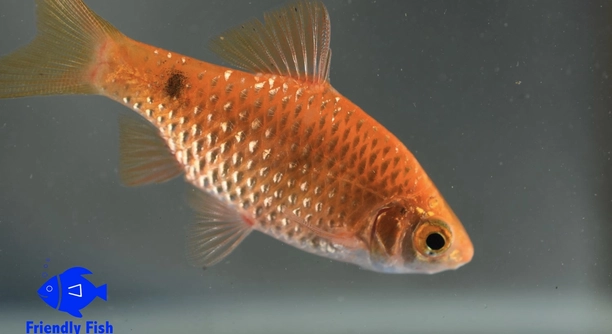
Are your rosy barbs calm or restless when the room is busy? Many fish owners notice changes in behavior based on the activity around the tank. These small fish can react to sounds, movements, and light in their environment.
Rosy barbs are affected by room activity to some extent. Increased noise and movement can cause stress, leading to erratic swimming or hiding. However, with consistent exposure, they may gradually become less reactive over time.
Understanding how room activity impacts rosy barbs helps improve their care and creates a better environment for their well-being. This knowledge can guide you in setting up a more comfortable home for your fish.
How Room Activity Affects Rosy Barbs’ Behavior
Rosy barbs are sensitive to their surroundings, especially when there is a lot of movement or noise near their tank. Sudden loud sounds or quick motions can startle them, causing them to dart around or hide behind decorations. This reaction is a natural response to potential threats, even if no real danger exists. When the room is calm, they tend to swim more steadily and interact with their environment. Bright lights or shadows from passing people can also make them uneasy. Over time, if the activity continues regularly, some rosy barbs may adjust and become less reactive. However, frequent disturbances can keep them stressed, which might affect their health. Stress in fish can lead to reduced appetite and lower immunity. It is helpful to place the tank in a quieter area with minimal foot traffic to provide a more stable environment. Keeping the lighting consistent and avoiding sudden changes can also support their comfort.
Fish can become calmer with routine exposure to moderate room activity.
Creating a peaceful space around the tank benefits rosy barbs by reducing stress and promoting natural behavior. Ensuring they feel secure will help them thrive.
Tips to Manage Room Activity Around Your Tank
Limiting sudden noise and movements near the tank can help keep rosy barbs relaxed.
To reduce stress, try to keep the tank away from busy areas like doorways or loud appliances. Soft background noise, like quiet music, can sometimes be less disturbing than sudden sounds. Covering parts of the tank to block direct views of people walking by can also help the fish feel safer. Watching your rosy barbs’ reactions is important. If they seem jittery or hide often, it might be a sign that the environment is too active. Making small adjustments can lead to calmer fish. Maintaining a consistent routine for feeding and tank maintenance also supports a stable environment. Over time, these changes can improve your rosy barbs’ overall well-being and make your aquarium a more enjoyable space for both you and the fish.
Signs of Stress in Rosy Barbs
Rosy barbs show stress through changes in behavior and appearance. They may swim erratically, hide more often, or lose their bright colors. Reduced appetite and sluggishness are common signs too.
Stress affects rosy barbs’ health significantly. When stressed, their immune system weakens, making them prone to illness. Frequent hiding can reduce exercise and social interaction, which impacts their overall well-being. Changes in water quality due to overactive fish can also occur. Identifying stress early helps prevent long-term problems. Watching for sudden behavior changes is key to maintaining their health.
To reduce stress, ensure stable water conditions and limit disturbances near the tank. Providing plenty of plants and hiding spots gives rosy barbs places to retreat. A quiet, consistent environment supports their natural habits. Regular tank cleaning and balanced feeding keep them healthy. Observing their behavior regularly will help you notice when something feels off, allowing you to act quickly to restore calm.
Adjusting Your Setup for a Calmer Environment
Choosing the right tank location reduces external stress on rosy barbs. Avoid placing the aquarium in busy or noisy rooms.
A quieter corner with stable lighting helps fish feel secure. Using a tank hood or background can block sudden movements and reduce reflections that may startle fish. Adding live plants and decorations offers hiding spots and creates a natural environment. These elements make rosy barbs feel safe, encouraging relaxed swimming and natural behavior. Avoid placing the tank near windows where direct sunlight or outside activity might disturb them. Regular monitoring of the fish’s behavior and environment can help maintain a peaceful space that supports their health and happiness over time.
Feeding and Activity Levels
Feeding rosy barbs regularly helps maintain steady energy levels. Overfeeding or irregular feeding can cause stress and affect their behavior.
Active fish usually indicate good health. If rosy barbs become lethargic or hide often, feeding routines or tank conditions might need adjustment.
How Lighting Influences Rosy Barbs
Lighting plays a key role in how rosy barbs behave. Too much light can cause them to hide or become stressed, while too little light may reduce their activity and dull their colors. A balanced lighting schedule that mimics natural day and night cycles encourages healthy activity and vibrant colors. Using a timer can help maintain consistency, avoiding sudden changes that might unsettle the fish. Proper lighting supports their natural rhythms and overall well-being, making the tank a more pleasant environment for both fish and viewer.
Impact of Visitors Near the Tank
Visitors moving near the tank can startle rosy barbs. Keeping activity around the aquarium low helps maintain their calm behavior.
FAQ
Do rosy barbs get used to room activity over time?
Yes, rosy barbs can gradually become accustomed to regular room activity if it is consistent and not too loud or sudden. Frequent exposure to the same sounds and movements allows them to adapt and react less. However, if activity is unpredictable or very intense, stress levels may remain high. It helps to keep the environment as stable as possible to support their adjustment.
How much noise is too much for rosy barbs?
Loud noises like shouting, banging, or sudden crashes are too much for rosy barbs. They have sensitive hearing and can be stressed by sharp or unexpected sounds. Moderate background noise, such as quiet talking or soft music, is generally fine. It is best to avoid placing the tank near speakers, televisions, or busy household appliances that create frequent loud sounds.
Can bright lights harm rosy barbs?
Bright lights for extended periods can cause stress in rosy barbs. They prefer moderate lighting that mimics natural daylight cycles. Constant exposure to bright or flashing lights can make them nervous, causing hiding or erratic swimming. Using a timer to control light duration and providing shaded areas with plants or decorations can protect them from harsh lighting.
What are the signs that my rosy barbs are stressed?
Common stress signs include hiding more often, swimming frantically, or staying still at the bottom of the tank. They may lose color vibrancy and refuse food. Sometimes, stressed fish develop health problems or show signs of illness. Regular observation of their normal behavior helps spot these changes early so you can adjust the environment.
How can I reduce stress caused by visitors?
Minimize sudden movements and noise near the tank when guests are around. You might place the aquarium in a less trafficked room or use a background to block fast activity outside the tank. Educating visitors to move slowly and quietly can also help. Creating a calm environment makes rosy barbs feel safer.
Is tank size important for managing stress?
Yes, tank size affects stress levels. Rosy barbs need enough space to swim freely and avoid overcrowding. A cramped tank increases competition for space and can raise stress. A minimum of 20 gallons for a small group is recommended. Larger tanks provide more stable water conditions and hiding places, supporting healthier behavior.
Does tank decor affect rosy barbs’ stress?
Decor like plants, rocks, and hiding spots helps reduce stress by giving rosy barbs places to retreat. Natural decorations mimic their environment and make them feel secure. Avoid sharp or rough objects that could injure them. Regularly clean decorations to prevent algae buildup and keep the tank healthy.
Can changes in water quality increase stress?
Poor water quality is a major stress factor. High ammonia, nitrite, or nitrate levels can harm rosy barbs and make them more sensitive to room activity. Regular water tests and partial water changes keep the environment clean and stable. Stable temperature and proper filtration are also critical to prevent stress.
How often should I feed rosy barbs to keep them calm?
Feeding small amounts twice a day is ideal. Overfeeding can pollute the water and cause stress, while underfeeding can weaken their immune system. Consistent feeding schedules create a routine that helps rosy barbs feel secure and healthy. Use high-quality food designed for tropical fish.
Are there specific times of day when rosy barbs are more sensitive?
Rosy barbs tend to be more active during the day and rest at night. Early morning or late evening might be when they are more sensitive to disturbances. Keeping a consistent light schedule helps regulate their internal clock and reduces unexpected reactions to noise or movement.
Does the presence of other fish influence their stress from room activity?
Yes, tank mates affect stress levels. Peaceful, similar-sized fish reduce competition and create a balanced community. Aggressive or overly active species can increase stress. When combined with high room activity, this can overwhelm rosy barbs. Choosing compatible fish helps maintain calm in the tank environment.
Rosy barbs are lively fish that respond to the environment around them. Room activity, such as noise and movement, can affect their behavior and stress levels. It is important to understand that they are sensitive creatures and need a calm and stable space to feel comfortable. By paying attention to how they react to sounds and motions in the room, you can help create a better home for them. Keeping disturbances to a minimum will allow rosy barbs to swim freely and show their natural colors and behaviors.
Providing a consistent environment is key to supporting rosy barbs’ well-being. This means placing the tank in a quiet area, controlling the lighting, and avoiding sudden changes near the aquarium. Giving them places to hide, like plants and decorations, helps reduce their stress. Regular feeding and maintaining good water quality also play important roles in their health. When these factors are balanced, rosy barbs tend to become more relaxed and active. It is normal for them to react at first to new surroundings or changes, but they can adjust over time with the right care.
Ultimately, keeping rosy barbs calm requires patience and observation. Watching how they behave in response to room activity lets you know when adjustments are needed. Small changes, like moving the tank or limiting loud noises, can make a big difference in their comfort. A peaceful aquarium environment not only helps the fish thrive but also makes the tank more enjoyable to watch. By understanding their needs and creating a stable habitat, you ensure your rosy barbs live healthy and happy lives.

Hello,
If you enjoy the content that we create, please consider saying a "Thank You!" by leaving a tip.
Every little bit helps us continue crafting quality advice that supports the health, happiness, and well-being of pets around the world, for pets of all shapes, sizes, and species.
We really appreciate the kindness and support that you show us!