
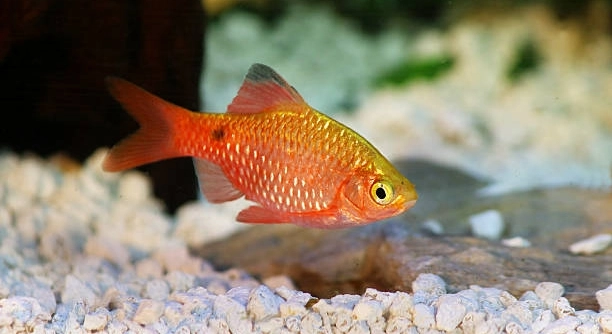
Rosy barbs are colorful fish often seen swimming together in home aquariums. Sometimes, these fish tend to stay in one specific area rather than exploring the whole tank. This behavior can be puzzling for many fish keepers.
Rosy barbs linger in one area due to factors such as water temperature, oxygen levels, territorial behavior, availability of food, presence of hiding spots, social interactions within the group, and the overall tank environment. These elements influence their movement and comfort zones.
Knowing why rosy barbs choose to stay put can help improve their care and tank setup. Understanding these reasons makes it easier to create a better home for your fish.
Water Temperature and Comfort Zones
Rosy barbs are sensitive to water temperature changes, which greatly affect their activity. When the temperature is too low or too high, they tend to stay in one spot where the conditions feel more comfortable. This is because fish regulate their body temperature with their environment. If the tank has cold or warm pockets, rosy barbs will gather in the areas matching their preferred range. Maintaining a stable temperature around 72 to 78 degrees Fahrenheit helps keep them active and spread throughout the tank. Sudden shifts can make them seek shelter and stay still until the water returns to a comfortable level. It’s important to monitor the temperature with a reliable aquarium thermometer to ensure consistent conditions.
Water temperature impacts the fish’s metabolism and energy, influencing where they spend most of their time.
Providing steady temperature support encourages rosy barbs to explore more and reduces stress, promoting healthier behavior and better interaction within the tank.
Oxygen Levels in the Tank
Low oxygen levels can cause rosy barbs to linger in areas where the water is more aerated. These spots often have better water movement, like near filters or air stones, providing extra oxygen. If the tank’s oxygen is insufficient, fish will cluster in these zones to breathe easier. Proper filtration and water circulation help maintain oxygen throughout the tank, encouraging fish to swim freely rather than staying in one place. Using a water pump or adding aquatic plants can increase oxygen levels. Keeping the water clean and avoiding overcrowding also supports better oxygen balance for your rosy barbs.
Territorial Behavior
Rosy barbs may linger in one area due to territorial instincts. They establish spaces they consider their own to reduce conflicts.
Territorial behavior helps maintain order within the tank. Some fish claim spots around decorations or plants, defending them from others. This behavior is more common in smaller or crowded tanks where space is limited. Establishing territories helps reduce aggressive encounters, though it may cause some fish to stay in one place for long periods.
Understanding these behaviors allows you to arrange the tank better. Adding more hiding spots and space can reduce territorial disputes. This encourages rosy barbs to explore more, spreading out naturally rather than clustering defensively in one spot.
Availability of Food
Food sources strongly influence where rosy barbs stay. They tend to remain where they expect to find easy meals, especially during feeding times.
If food is always provided in the same area, rosy barbs quickly learn to gather there. This behavior can make them seem inactive or concentrated in one spot. To encourage natural foraging, spreading food throughout the tank helps. It also stimulates movement and interaction among the fish. Feeding varied diets and avoiding overfeeding contribute to their health. Keeping a balanced feeding routine supports their activity and well-being over time.
Presence of Hiding Spots
Rosy barbs feel safer when they have places to hide. They often stay near plants, rocks, or decorations that offer shelter.
These spots reduce stress and provide comfort, especially if the tank has more active or aggressive fish. The more hiding places available, the more confident rosy barbs become in exploring the tank.
Social Interactions Within the Group
Rosy barbs are social fish that form groups and develop social hierarchies. These relationships affect where they gather in the tank.
Dominant fish may control certain areas, causing others to stay nearby but out of reach. The fish often stick close to their group for protection and companionship, preferring areas where they feel secure and connected.
Tank Environment and Layout
The overall setup of the tank influences how rosy barbs move and where they linger. Factors like lighting, water flow, and decor placement shape their behavior. Bright lights or strong currents may cause fish to avoid certain spots. A balanced environment with varied features encourages natural movement, helping rosy barbs feel comfortable and active.
Influence of Lighting
Lighting affects rosy barbs’ activity and where they choose to stay. Dimmer areas often attract them as places to rest or hide. Bright spots may cause them to seek shaded corners or beneath decorations for comfort. Adjusting lighting levels can help create a more inviting space throughout the tank.
Why do rosy barbs stay in one area of the tank?
Rosy barbs often stay in one area because they feel more comfortable there. This can be due to stable water temperature, higher oxygen levels, or the presence of hiding spots. They also tend to stay close to their social group or food sources, making that spot feel safe and convenient.
Is it normal for rosy barbs to be less active sometimes?
Yes, it is normal for rosy barbs to be less active at times. Changes in water conditions, stress, or resting periods can cause them to linger in one place. However, if inactivity lasts for long periods or is combined with other symptoms, it may signal a health issue.
How does tank size affect rosy barb behavior?
Tank size directly influences how much space rosy barbs have to swim. In smaller tanks, they may appear to stay in one area because there isn’t much room to move. Larger tanks encourage more exploration and natural swimming patterns.
Can the presence of other fish affect where rosy barbs stay?
Yes, other fish can influence where rosy barbs linger. Aggressive tank mates might force them into specific corners or hiding spots. Peaceful companions promote more balanced movement. Proper tank mates help maintain harmony and reduce stress.
What role does water quality play in fish movement?
Water quality is crucial for rosy barbs’ well-being. Poor water quality, such as high ammonia or nitrate levels, can cause them to become sluggish and stay in one spot. Regular water changes and filtration maintain healthy water, encouraging normal activity.
How often should I feed rosy barbs to encourage movement?
Feeding rosy barbs two to three times a day in small amounts encourages them to swim and forage naturally. Spreading food throughout the tank prevents them from gathering in one area just for feeding.
Do rosy barbs need hiding spots in the tank?
Yes, hiding spots reduce stress and provide security. Plants, rocks, or decorations create safe areas where rosy barbs can rest or escape from more aggressive fish. A tank with adequate shelter promotes healthier and more active fish.
Can lighting affect where rosy barbs choose to stay?
Lighting affects fish comfort and activity. Too bright lighting can make rosy barbs seek shaded or covered areas. Balanced lighting that mimics their natural environment helps them move freely and reduces stress.
What can I do if rosy barbs are always clustered in one area?
If rosy barbs cluster consistently, check water quality, temperature, and oxygen levels. Ensure the tank isn’t overcrowded and that they have enough hiding spots. Adjust feeding routines and tank layout to encourage more balanced movement.
Are rosy barbs territorial?
Rosy barbs show mild territorial behavior. They may defend certain spots but are generally peaceful. Territorial behavior increases when the tank is crowded or lacks adequate hiding places. Providing enough space reduces conflicts and promotes peaceful swimming.
Rosy barbs are lively fish that bring color and movement to any aquarium. Understanding why they sometimes stay in one area helps improve their care and well-being. Various factors influence their behavior, including water temperature, oxygen levels, tank layout, and social dynamics. Paying attention to these elements allows you to create a more comfortable and balanced environment for them. When their basic needs are met, rosy barbs tend to be more active and explore their surroundings freely. This not only makes the tank more enjoyable to watch but also supports their health.
It is important to maintain stable and clean water conditions. Regular monitoring of temperature and water quality prevents stress, which is a common reason fish limit their movement. Providing plenty of hiding spots and distributing food evenly encourages natural behaviors. Tank size and the presence of other fish also play roles in how rosy barbs interact with their environment. A well-planned setup with adequate space and proper companions reduces territorial disputes and helps fish feel secure. This leads to more natural swimming patterns and less lingering in just one part of the tank.
In summary, creating a healthy habitat for rosy barbs involves attention to many details. Consistent care, balanced tank conditions, and thoughtful arrangement support their comfort and activity. While some lingering behavior is normal, persistent clustering signals areas to improve. By making small adjustments, you can promote a more dynamic and healthy aquarium environment. This helps your rosy barbs thrive and adds to the overall enjoyment of your aquarium experience.

Hello,
If you enjoy the content that we create, please consider saying a "Thank You!" by leaving a tip.
Every little bit helps us continue crafting quality advice that supports the health, happiness, and well-being of pets around the world, for pets of all shapes, sizes, and species.
We really appreciate the kindness and support that you show us!