
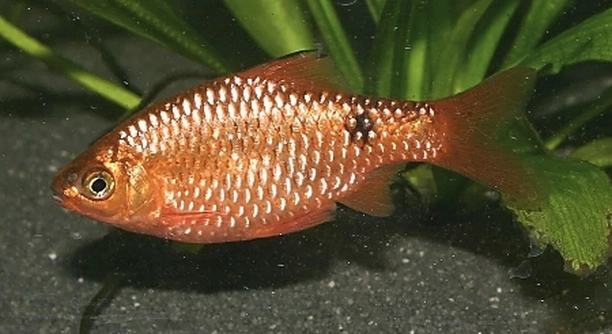
Do your rosy barbs sometimes act oddly, leaving you unsure if something is wrong or if it’s just normal fish behavior?
Many rosy barb tank behaviors that seem unusual are actually natural and often misunderstood. These actions often relate to social structure, breeding instincts, stress, or environmental adjustments. Recognizing these patterns helps fishkeepers better support the health and wellbeing of their fish.
Understanding these behaviors can improve your tank setup and give you more confidence in caring for your rosy barbs.
Chasing Each Other Constantly
Rosy barbs often chase each other around the tank, which can look aggressive at first. However, this is typically related to establishing a pecking order or initiating breeding behavior. Males especially will chase females during spawning, and dominant fish might chase others to maintain social rank. If the chasing seems balanced, with no signs of injury or stress like torn fins or hiding, then it’s usually harmless. It becomes a concern only when one fish is constantly targeted or appears overly stressed. A larger tank with enough space and decor can reduce this behavior. Maintaining a proper male-to-female ratio (preferably two females per male) also helps balance out any aggressive energy. This behavior can intensify during feeding times or changes in water conditions, so keeping a consistent routine will help your fish stay calm. Just observe how long and how often it happens to gauge if action is needed.
Chasing helps rosy barbs communicate and organize their social group, especially in smaller or newly arranged tanks.
If you notice constant chasing without relief, consider adding more plants or hiding spots. This gives fish a chance to rest and feel secure. Environmental adjustments can often reduce tension and help maintain harmony among your barbs.
Darting Rapidly Across the Tank
Rapid darting is sometimes mistaken for panic, but it’s usually a response to quick movements outside the tank or sudden light changes.
Rosy barbs are sensitive to environmental shifts and quick flashes of motion. If they dart across the tank occasionally, it’s likely due to a minor startle. Sudden shadows, loud sounds, or fast movements in the room can trigger this reaction. It’s a natural defense mechanism. These fish evolved to react quickly to threats in the wild, and their instincts remain strong. However, if darting becomes a constant pattern, it could be linked to poor water quality, inadequate lighting cycles, or stress from overcrowding. Ensure your lighting turns on and off gradually, using a timer if possible. Avoid placing the tank in a high-traffic area where people pass closely. Check water parameters regularly and keep noise levels low around the tank. A calm environment will help your rosy barbs feel more relaxed and reduce frantic movements.
Nipping at Fins of Other Fish
Rosy barbs may nip at the fins of tank mates, especially if they’re slow-moving or have long, flowing fins. This behavior is often a mix of curiosity, stress, or limited swimming space.
When rosy barbs are kept in small groups or cramped tanks, they’re more likely to show fin-nipping behavior. It often targets species like angelfish or bettas, which move slowly and have trailing fins that attract attention. Increasing the group size to at least six helps spread out the energy and encourages schooling behavior instead of aggression. Adding dense plants and structures gives other fish space to hide or move away. Watch for torn fins or stress in tank mates, and consider separating incompatible species if needed. A well-decorated tank with balanced stocking often resolves the issue. Providing plenty of swimming space and stimulation helps reduce boredom-related nipping in active fish like rosy barbs.
A lack of environmental enrichment can make rosy barbs more aggressive or restless. They need room to swim and explore. Rearranging the layout occasionally, offering live food now and then, and maintaining proper filtration keeps them engaged and healthy. Fish with enough mental and physical stimulation are far less likely to develop persistent nipping habits in the tank.
Staying Still for Long Periods
Rosy barbs staying still for long periods can look alarming, but it’s often just a sign of rest or adjusting to changes. If they remain alert and resume swimming normally after a while, it’s usually not a serious issue.
Stillness becomes a concern when paired with clamped fins, rapid gill movement, or loss of appetite. These signs can indicate poor water conditions or illness. If your fish hovers in one spot for hours or sits at the bottom of the tank, check the water parameters immediately—ammonia or nitrate spikes can cause distress. Cold water temperatures may also slow their movement. Use a reliable heater and thermometer to maintain a consistent range between 72°F and 78°F. Ensure the tank has proper aeration, as low oxygen can also lead to lethargy. If no environmental cause is found, isolate the fish and monitor for any signs of infection or internal disease.
Pecking at the Gravel Repeatedly
Rosy barbs often peck at the gravel to search for leftover food or explore their environment. It’s normal behavior unless paired with signs of distress like weight loss or frantic digging.
This habit also helps them engage with their surroundings. Gravel-pecking provides light stimulation and keeps their natural foraging instincts active.
Swimming Against the Filter Current
Rosy barbs enjoy swimming against currents because it mimics natural flowing water. They are active swimmers and use this resistance for exercise. Strong current areas often become favorite spots, especially for dominant fish in the group.
As long as they’re not getting pushed around or showing signs of fatigue, this behavior is harmless. A slightly stronger current can even improve oxygenation and overall water quality in the tank. Just make sure to balance flow strength across the tank so other species aren’t stressed. Use decorations or plants to break up harsh flow if needed.
Color Fading at Random Times
Sudden color fading often happens after stress, lights turning on suddenly, or water changes. It’s usually temporary and their color returns once they’ve calmed down.
FAQ
Why do my rosy barbs nip each other even in large groups?
Nipping can still happen in larger groups if the tank is too small or lacks hiding spots. Even with enough fish to reduce aggression, dominance behaviors and mating-related chasing may lead to occasional nipping. Check if the tank is at least 30 gallons, well-planted, and provides swimming space. A stressed or overly dominant fish might need temporary separation. If the nipping results in visible injuries or constant stress, consider adjusting the male-to-female ratio or adding visual barriers to interrupt line-of-sight. These adjustments usually calm things down over time and allow the group to rebalance socially.
Is it normal for rosy barbs to change color depending on the time of day?
Yes, color intensity in rosy barbs often changes throughout the day. In the morning or after lights are turned on, they may appear pale due to rest or sudden light exposure. As they become active and begin swimming, their color brightens, especially in males during breeding periods. Stress, poor water quality, or illness can also cause fading, so if pale colors persist, test the water and monitor their behavior closely. A healthy, calm rosy barb typically regains its vibrant red-gold tones once settled. Color fluctuations are a natural part of their response to the environment and energy levels.
Why are my rosy barbs hiding behind the filter or heater?
Rosy barbs may hide behind equipment if they’re feeling stressed, startled, or uncomfortable in the tank. New additions to the tank, sudden water changes, or loud noises in the room can make them retreat to covered spots. It’s also common when the tank lacks enough plants or decorations for cover. If only one or two fish are hiding, they might be lower in the social order or recovering from mild bullying. Provide more leafy plants, driftwood, or rock caves to give them safer alternatives. Once they feel secure, they typically become more active again and explore the tank freely.
Can rosy barbs live with slow-moving or long-finned fish?
It’s risky. Rosy barbs are fast swimmers and can’t resist nipping at long fins. Tank mates like angelfish, guppies, or bettas often become targets, especially in smaller or crowded setups. If you really want to mix species, opt for a large tank with enough hiding places and open swimming space to reduce interaction. A better match for rosy barbs are other active mid-swimmers like danios, rasboras, or fast tetras. Choosing tank mates with similar speed and temperament helps maintain peace and reduces fin damage. Long-finned or slow fish are best kept in separate setups to avoid stress or injury.
How do I tell if my rosy barb is sick or just resting?
Sick fish will usually show multiple symptoms beyond resting. These include clamped fins, loss of appetite, unusual swimming patterns (like floating sideways), white spots, or visible swelling. If your rosy barb stays still but swims actively when approached and eats normally, it’s probably just resting or adjusting. Watch them closely over 24–48 hours. If any new symptoms appear or behavior worsens, test water quality and consider moving the fish to a quarantine tank. Early detection is key to successful treatment, so noticing the difference between rest and illness can really help protect the health of the whole tank.
What should I do if my rosy barbs seem bored or restless?
Rosy barbs are very active and get bored without enough stimulation. Signs include constant pacing, chasing, or nipping. To reduce boredom, rearrange tank decor every few weeks and offer live or frozen food like brine shrimp for variety. Floating toys, bubble curtains, and adjustable current flow can add interest. A well-planted environment with space to swim and explore also helps. Try placing mirrors outside the tank briefly (no more than 10 minutes) to engage them, though this should be done sparingly. Keeping their environment mentally and physically engaging goes a long way in supporting their behavior and overall wellbeing.
Is it okay if my rosy barbs hang out near the top of the tank?
It depends. If they’re near the top but active and eating normally, it’s not usually a problem. They may be looking for food or enjoying a warm surface layer. But if they’re gasping or appear lethargic, it could mean low oxygen or high ammonia levels. Check your water parameters and ensure good aeration with an air stone or proper surface agitation. Warm water holds less oxygen, so always double-check heater settings during warmer seasons. As long as the top behavior isn’t paired with other signs of stress, your barbs are probably just exploring or socializing in a preferred zone.
Final Thoughts
Rosy barbs are active, social fish with behaviors that can sometimes be misunderstood. What may seem like aggression, stress, or illness is often just natural behavior. Chasing, darting, or pecking at gravel are all things rosy barbs do to explore, communicate, or settle into their space. By learning what’s normal and what’s not, fishkeepers can better understand their barbs and give them what they need to stay healthy and comfortable. Watching them over time makes it easier to notice changes that might mean something’s wrong. A calm, balanced environment plays a big role in keeping their behavior stable.
Many of the behaviors that confuse or worry owners are simply part of how rosy barbs interact with each other and their surroundings. Swimming in currents, hiding for short periods, or displaying pale colors at certain times of day can all be linked to mood, environment, or routine changes. These fish are naturally curious and respond quickly to the world around them. Their energy and constant movement are part of what makes them enjoyable to keep. Still, it’s important to monitor how often these behaviors happen and under what conditions, especially if multiple changes happen at once.
Understanding these behaviors helps prevent unnecessary stress—for both the fish and the owner. Small changes like adjusting water flow, adding plants, or improving the group size can make a big difference in how the fish behave. It also builds confidence in managing their tank. Observing them closely and responding to what they need keeps things running smoothly. With a little attention and care, rosy barbs can thrive in a home aquarium and continue to show their bright colors and active habits without concern. Paying attention to their natural patterns is the best way to make sure they stay happy and healthy over time.

Hello,
If you enjoy the content that we create, please consider saying a "Thank You!" by leaving a tip.
Every little bit helps us continue crafting quality advice that supports the health, happiness, and well-being of pets around the world, for pets of all shapes, sizes, and species.
We really appreciate the kindness and support that you show us!