
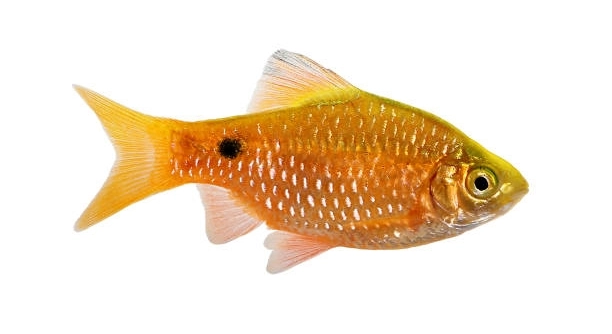
Rosy barbs are lively freshwater fish often found in home aquariums. They enjoy moving around and exploring their environment in search of food and new spaces. Watching their curious behavior can be quite calming and interesting.
When exploring, rosy barbs actively swim through plants and decorations, using their keen senses to detect food and potential threats. They tend to stay in groups, which helps them feel safe while investigating their surroundings. This behavior supports their natural instincts for foraging and social interaction.
Learning about how rosy barbs explore can help aquarium owners create a more stimulating and comfortable environment for these fish. Understanding their behavior enhances their care and well-being.
How Rosy Barbs Use Their Senses While Exploring
Rosy barbs rely heavily on their senses when they explore their environment. Their vision is sharp, allowing them to spot movement and colors clearly, which helps them find food and avoid danger. They also use their sense of smell to detect food particles and changes in the water. Their lateral line system is important too; it senses vibrations and pressure changes around them. This helps rosy barbs stay aware of nearby movements, even in murky water. When exploring, they swim carefully, often near plants or decorations, checking for places to hide or interesting objects. Their sensory abilities guide them safely and efficiently through their tank. Providing an environment rich in textures and hiding spots encourages natural exploration. This makes the fish more active and reduces stress, creating a healthy space for them to thrive.
Exploring with their senses keeps rosy barbs alert and engaged, which is vital for their health.
Creating a tank that stimulates these senses is key. Using plants, rocks, and varied decorations invites their curiosity and supports natural behavior. Such an environment helps them feel secure while exploring. Their active use of senses also strengthens social bonds when they move together as a group. This sensory-rich exploration keeps rosy barbs lively and content in their habitat.
Social Behavior During Exploration
Rosy barbs usually explore in groups rather than alone.
When exploring, rosy barbs display strong social behavior. They swim together in schools, which offers safety and comfort. Moving as a group helps them spot threats faster and reduces stress. Their social nature encourages interaction and cooperation while searching for food or new hiding spots. In the wild, this behavior protects them from predators and helps with navigation. In an aquarium, keeping them in groups of at least five allows them to express these natural instincts. Isolated fish tend to be more anxious and less active. Group exploration also encourages playfulness and communication, such as chasing and gentle nudging. Observing these interactions can be rewarding, as it shows their natural dynamics. Maintaining a healthy social group improves their overall well-being and makes their environment feel more natural and engaging.
How Rosy Barbs React to New Objects
Rosy barbs often approach new objects with caution but curiosity. They circle around unfamiliar items, inspecting them carefully before deciding to explore further. This behavior helps them assess safety in their environment and prevents sudden stress.
When a new decoration or plant is added to their tank, rosy barbs initially keep their distance. They observe from afar, looking for any signs of threat. Gradually, they swim closer, sometimes nibbling or brushing against the object to learn more. This slow process is normal and shows their natural caution. Once they are confident the new item poses no danger, they incorporate it into their exploration routes. This behavior helps maintain a sense of security in their habitat.
Introducing new objects regularly can keep rosy barbs mentally stimulated. It also encourages natural behaviors like investigation and foraging. Watching their reaction to new additions can reveal their personality and comfort level. Properly timed changes in the tank environment support their curiosity and overall happiness, making the aquarium a more dynamic space for them.
Movement Patterns While Exploring
Rosy barbs use smooth, fluid movements when exploring their surroundings.
They tend to swim in wide arcs and short bursts, adjusting speed to navigate obstacles or investigate areas closely. Their movements are deliberate yet flexible, allowing quick responses to changes. When moving, they often stay near plants or rocks to feel protected. These patterns help them conserve energy while remaining alert. Fast dashes may occur when startled or chasing food, but most exploration involves calm, steady swimming. Their tail and fins work together to maintain balance and direction. These natural movement habits make their behavior predictable and easy to observe. Knowing this helps aquarists create a tank layout that suits their active and cautious nature, promoting healthy exercise and exploration.
Preferred Areas for Exploration
Rosy barbs enjoy exploring areas with plenty of plants and hiding spots. They feel safer near decorations and natural cover.
Open spaces are less favored because they expose the fish to potential threats. Dense foliage encourages longer, more confident exploration.
Interaction with Tank Mates
Rosy barbs are social and often interact with other fish while exploring. They swim together, sometimes following or gently nudging one another. This interaction strengthens their social bonds and helps reduce stress. They usually avoid aggressive tank mates, preferring peaceful companions that allow calm exploration.
How Lighting Affects Exploration
Lighting plays a key role in rosy barbs’ exploration habits. Bright lighting can encourage more active swimming and searching, as it mimics daylight conditions. Dim or flickering lights may cause hesitation or hiding behavior, reducing exploration time. Consistent, moderate lighting supports natural activity and keeps the fish comfortable.
Signs of Exploration Fatigue
When rosy barbs tire from exploring, they slow down and rest near plants or tank edges. They may hide more often until they regain energy. Recognizing these signs helps ensure the fish are not stressed or overexerted.
FAQ
How often do rosy barbs explore their tank?
Rosy barbs are active fish that explore their tank regularly throughout the day. They tend to be most active during daylight hours, swimming around in search of food, hiding spots, or new areas to investigate. Their curiosity keeps them moving, especially in a well-decorated tank.
Do rosy barbs explore alone or only in groups?
While rosy barbs can explore alone briefly, they prefer doing so in groups. Their natural schooling behavior provides safety and comfort, making group exploration more common. Being in a group helps reduce stress and encourages more confident exploration.
What kind of tank setup encourages exploration?
A tank with plenty of plants, rocks, and hiding spots promotes exploration. Varied textures and decorations provide areas for investigation and shelter. Open swimming spaces balanced with covered areas allow rosy barbs to feel secure while moving freely.
How do rosy barbs react to new tank decorations?
Rosy barbs are usually cautious but curious about new decorations. They approach new objects slowly, inspecting them from a distance before getting closer. Over time, they include the new items in their exploration routines once they feel safe.
Can poor water quality affect their exploration behavior?
Yes, poor water quality can make rosy barbs less active and reluctant to explore. Stress from bad water conditions often causes hiding or sluggish behavior. Maintaining clean water is essential to keep them healthy and curious.
Do rosy barbs explore more when hungry?
Rosy barbs tend to explore more actively when they are hungry, as they search for food. This natural foraging behavior means feeding times often stimulate their curiosity and movement throughout the tank.
What signs show that rosy barbs are stressed while exploring?
Signs of stress during exploration include rapid darting, hiding excessively, or staying still in one spot. Erratic swimming or loss of color can also indicate discomfort. These behaviors suggest the environment or tank mates may need adjustment.
How does tank size affect their exploration?
Larger tanks encourage more exploration because rosy barbs have more space to swim and discover. Small tanks limit their movement and can cause boredom or stress. A spacious environment is better for their natural behavior and overall well-being.
Is it normal for rosy barbs to ignore certain parts of the tank?
Yes, it’s normal for them to avoid areas where they feel exposed or unsafe. Rosy barbs prefer spots with cover and low disturbance. Over time, as they grow more comfortable, they may explore previously avoided areas.
Do rosy barbs interact with plants while exploring?
They often swim through and around plants, using them for cover and exploration. Plants provide hiding spots and stimulate natural behavior. However, they usually don’t damage healthy plants unless stressed or overfed.
Can lighting changes impact their exploration habits?
Sudden changes in lighting can cause hesitation or hiding. Consistent lighting encourages regular activity and exploration. Dim or flickering lights may reduce movement, while steady moderate light helps maintain their natural rhythm.
What role does temperature play in exploration?
Rosy barbs prefer temperatures between 68°F and 78°F (20°C–26°C). If the water is too cold or too warm, they become less active and explore less. Stable temperatures within this range keep their energy levels up and encourage natural swimming behavior.
How do rosy barbs explore at night?
Rosy barbs are mainly daytime explorers and tend to rest at night. They may move slowly or hide during dark hours. Providing a regular day-night cycle helps regulate their behavior and keeps their exploration patterns healthy.
Can aggressive tank mates affect their willingness to explore?
Yes, aggressive or territorial fish can intimidate rosy barbs, making them hide more and explore less. Peaceful tank mates create a safer environment where rosy barbs feel comfortable moving around freely.
How does age affect exploration?
Younger rosy barbs are generally more active and curious. As they age, their energy levels may decrease, and they explore less. Older fish often spend more time resting but still enjoy gentle exploration.
Rosy barbs are lively fish that bring energy to any aquarium. Their natural curiosity leads them to explore their environment regularly, using their senses and social behavior to stay safe and find food. Understanding how they explore helps us provide better care and create a comfortable home for them. When their environment has plenty of plants, hiding spots, and new objects to investigate, they remain active and less stressed. Watching their exploration can be calming and enjoyable, especially knowing it reflects their natural instincts.
It is important to remember that rosy barbs feel safest when exploring in groups. They rely on social interactions to reduce anxiety and support their natural behavior. Keeping them with other peaceful fish helps maintain this dynamic. Also, their exploration patterns change based on factors like tank size, lighting, and water quality. A well-maintained tank with stable conditions encourages regular activity. When conditions are poor, rosy barbs may become withdrawn or less curious. So, paying attention to their environment and needs improves their willingness to explore and overall health.
Finally, creating a tank that matches their preferences can make a big difference in how much rosy barbs explore. Including natural decorations, regular but gentle changes, and a suitable number of tank mates supports their behavior. Proper lighting and temperature help them feel secure and energized. By providing these elements, we allow rosy barbs to express their natural curiosity and live happier lives. Understanding their exploration habits is a simple way to enhance their well-being and enjoy their lively presence in the aquarium.

Hello,
If you enjoy the content that we create, please consider saying a "Thank You!" by leaving a tip.
Every little bit helps us continue crafting quality advice that supports the health, happiness, and well-being of pets around the world, for pets of all shapes, sizes, and species.
We really appreciate the kindness and support that you show us!