
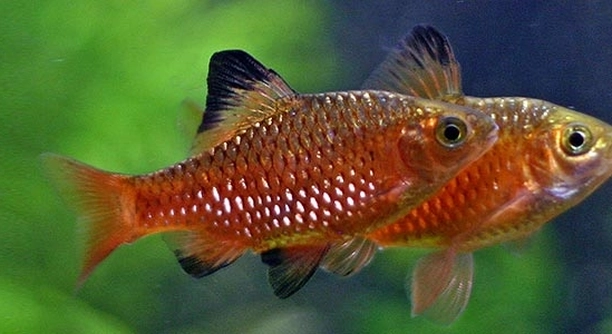
Raising Rosy Barbs can be rewarding, but beginners often face challenges that slow their progress. Understanding common mistakes can make breeding easier and more successful. Many new hobbyists unknowingly repeat the same errors early on.
Beginners frequently make mistakes such as improper water conditions, inadequate diet, overcrowding, and poor tank maintenance. These errors hinder successful breeding and affect the health of Rosy Barbs, reducing fry survival rates and overall breeding outcomes.
Knowing what to avoid helps improve breeding results and creates a better environment for your fish’s growth and health.
Incorrect Water Parameters
Maintaining the right water conditions is key when breeding Rosy Barbs. Many beginners overlook this, resulting in poor fish health and fewer fry. The water temperature should stay between 74°F and 78°F, with a pH around 6.5 to 7.5. Hardness should be moderate. Fluctuations or extremes stress the fish and reduce breeding success. New breeders often skip regular water testing or fail to change the water frequently. Dirty or unstable water can lead to diseases and reduce fry survival. It’s important to keep the tank clean, remove waste, and ensure good filtration. Monitoring water quality helps create a safe environment for breeding and fry growth.
Ignoring water parameters is a common and easily fixed mistake that affects Rosy Barb breeding outcomes.
Consistent water quality management supports the health of adult fish and improves egg fertilization. It also boosts fry survival by minimizing harmful bacteria and toxins. Proper filtration, gentle water flow, and regular partial water changes promote a stable habitat essential for breeding success.
Overfeeding and Poor Diet
Overfeeding Rosy Barbs is a mistake that can cause water pollution and harm the fish. Feeding too much or the wrong food affects their health and breeding potential. It’s important to provide a balanced diet with high-quality flakes, pellets, and occasional live or frozen foods like brine shrimp or daphnia. Excess food decays quickly, polluting the water and causing ammonia spikes. This stresses the fish and lowers the chance of successful breeding. Feeding small amounts two to three times daily helps keep the fish healthy and the water clean.
A proper diet is essential for strong, healthy parents and viable eggs.
Balanced nutrition supports the fish’s immune system, coloration, and energy levels needed during breeding. Poor diet results in weak fish and fewer eggs produced. Live foods also encourage natural behaviors and stimulate spawning. Monitoring feeding amounts and types maintains water quality and keeps the fish in breeding condition. Avoid overfeeding by removing uneaten food promptly and adjusting portions as needed. This care creates a better environment for Rosy Barbs to breed and raise fry successfully.
Overcrowding the Tank
Overcrowding reduces space for Rosy Barbs to swim and breed properly. Too many fish lead to stress and poor water quality.
When the tank is crowded, fish compete for food and hiding spots, causing aggression and weaker health. Stress from overcrowding can lower spawning activity and fry survival. It also increases waste buildup, making water harder to keep clean. Keeping a proper fish-to-gallon ratio helps maintain a peaceful environment where breeding is more likely to succeed.
A spacious tank allows better oxygen flow and reduces stress levels. Rosy Barbs need enough room to perform natural behaviors, which encourages successful spawning and healthier fry development.
Poor Tank Setup for Breeding
A tank lacking proper plants and hiding places lowers breeding success. Rosy Barbs need calm areas to lay eggs and protect fry.
Using fine-leaved plants or spawning mops provides safe spots for eggs and newly hatched fry. Without these, eggs may get eaten by adults or swept away by strong currents. The tank should have gentle water flow to avoid disturbing eggs. Substrate choice matters too; a bare bottom or fine gravel works best. Lighting should be moderate to mimic natural conditions without stressing the fish. Providing a well-structured environment supports natural spawning behavior and increases fry survival rates.
Adding plants also improves water quality by absorbing nitrates and giving fry places to hide. This reduces predation and helps fry grow strong during their vulnerable early days. A proper setup balances comfort and safety, key to encouraging Rosy Barbs to breed successfully.
Not Separating Adults from Fry
Adult Rosy Barbs often eat their own fry if left together. Separating them protects the young fish from being eaten.
Using a breeding tank or divider helps keep fry safe until they grow larger. This increases survival rates significantly by reducing predation from adults.
Inconsistent Temperature Control
Stable temperature is crucial for Rosy Barb breeding. Sudden drops or rises can stress the fish and stop spawning altogether. Use a reliable heater and thermometer to maintain water between 74°F and 78°F. Keeping temperature steady encourages healthy development of eggs and fry.
Ignoring Signs of Stress
Stress signs like dull colors or hiding indicate problems. Addressing stress early can save the breeding attempt and keep fish healthy.
FAQ
What is the best way to prepare the tank for breeding Rosy Barbs?
Start with a clean tank around 20 gallons or more. Use fine-leaved plants or spawning mops for the fish to lay eggs on. Keep water temperature stable between 74°F and 78°F and maintain a neutral pH of about 7. Provide gentle filtration and avoid strong currents. A dark substrate or bare bottom helps you spot eggs easily. Frequent partial water changes keep the water fresh, which is important for egg health and fry development.
How often should I feed Rosy Barbs during breeding?
Feed small amounts two to three times a day. Use high-quality flakes or pellets supplemented with live or frozen foods like brine shrimp or daphnia to boost their energy. Avoid overfeeding to prevent water pollution, which stresses the fish and harms eggs and fry.
Can I breed Rosy Barbs in a community tank?
It’s possible but not ideal. Other fish may eat the eggs or fry, reducing survival rates. Adults may also stress each other or compete for resources. Using a separate breeding tank increases the chance of success and allows better care for eggs and fry.
How long does it take for Rosy Barb eggs to hatch?
Eggs usually hatch within 24 to 36 hours after spawning. Keep water clean and temperature steady to support development. Once hatched, fry are very small and need gentle care and special food like infusoria or finely crushed flakes.
What should I feed Rosy Barb fry?
Start with tiny live foods like infusoria or commercially available fry food. As they grow, introduce baby brine shrimp and finely crushed flakes. Feed small amounts frequently to support growth without fouling the water.
How do I prevent adults from eating the fry?
Separate adults from the fry immediately after spawning. Use a breeding tank, divider, or net breeder. This protects the young fish during their most vulnerable stages and increases survival rates.
What are common signs of stress in Rosy Barbs?
Dull coloration, hiding, erratic swimming, or loss of appetite can all signal stress. Stress reduces breeding chances and can cause disease. Check water quality, temperature, and tank conditions if you notice these signs.
Can I use tap water for breeding Rosy Barbs?
Tap water is usually fine if properly treated to remove chlorine or chloramine. Use a water conditioner before adding it to the tank. Test the water regularly for pH, ammonia, nitrites, and nitrates to ensure safe conditions.
How often should I change the water during breeding?
Perform partial water changes of 20-30% every few days to keep water clean and stable. Avoid large or sudden changes that shock the fish. Clean water improves egg survival and fry health.
What do I do if eggs get fungus?
Remove infected eggs carefully with a siphon or soft tool. Adding antifungal treatments designed for aquarium use can help prevent spread. Good water quality and gentle aeration reduce the chance of fungus growing.
How long until fry become adult Rosy Barbs?
Fry usually grow into juveniles within a few weeks and reach adulthood around 6 months. Proper feeding, water quality, and tank conditions support healthy growth during this time.
Breeding Rosy Barbs can be a rewarding experience, but it requires careful attention to several important factors. Many beginners face challenges simply because they miss or overlook key details like water quality, tank setup, and proper feeding. Keeping water parameters stable and clean is one of the most important steps to success. Small changes in temperature, pH, or cleanliness can affect the health of the fish and their eggs. Paying close attention to these details helps create an environment where Rosy Barbs feel comfortable enough to breed naturally.
Another important part of successful breeding is providing the right tank environment. Plants or spawning mops give the fish places to lay eggs and help protect the fry once they hatch. Overcrowding or mixing adults with fry too soon can lead to eggs or young fish being eaten. Keeping the tank well-organized and giving the fish enough space reduces stress and increases the chances of a healthy batch of fry. A balanced diet is also essential. Feeding high-quality food in the right amounts keeps adult fish healthy and ready to breed. Overfeeding can pollute the water, so careful feeding is necessary to maintain good water quality.
Breeding Rosy Barbs takes patience and attention, but the effort is worthwhile. By avoiding common mistakes like overcrowding, poor water management, and lack of protection for fry, you improve your chances of success. Understanding the needs of Rosy Barbs and keeping a close eye on their environment will help your fish thrive. With steady care and proper preparation, you can enjoy watching your Rosy Barbs grow from eggs to healthy adults. This process is not just about breeding; it’s about learning how to care for your fish in the best way possible.

Hello,
If you enjoy the content that we create, please consider saying a "Thank You!" by leaving a tip.
Every little bit helps us continue crafting quality advice that supports the health, happiness, and well-being of pets around the world, for pets of all shapes, sizes, and species.
We really appreciate the kindness and support that you show us!