
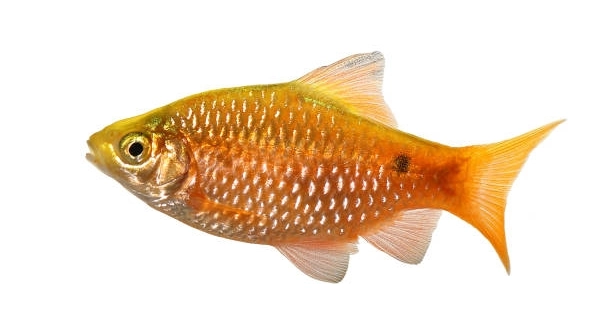
Rosy barbs are popular freshwater fish known for their bright colors and active nature. Many aquarists enjoy keeping them because they adapt well to community tanks. However, sudden changes in their environment can affect their health and behavior.
Rosy barbs generally handle sudden tank moves with moderate stress, which can cause temporary changes in activity and appetite. Proper acclimation and minimizing disturbances reduce negative impacts and support their adjustment to new surroundings.
Understanding how sudden moves affect rosy barbs helps you provide better care and maintain a healthy tank environment for these lively fish.
Stress Responses in Rosy Barbs
When rosy barbs are moved suddenly to a new tank, they often show signs of stress. This stress can include hiding more than usual, swimming erratically, or eating less. These behaviors are natural reactions to changes in their environment. The water parameters, such as temperature and pH, might be slightly different in the new tank, causing discomfort. Rosy barbs rely on stable surroundings to feel safe and secure. A sudden move disrupts their routine, which can make them vulnerable to illness if the stress lasts too long. Watching your fish closely during this time helps you notice any worrying signs early. It’s important to keep the new tank calm, with gentle filtration and minimal noise, to help them adjust. Feeding them lightly during the first few days can encourage eating without overwhelming their system. Overall, patience and careful observation are key after relocating rosy barbs.
Stress from sudden tank moves can affect their immune system and behavior, making careful care essential.
Recognizing these stress signs early can prevent long-term health problems in your rosy barbs. Providing a quiet environment and stable water conditions helps them settle faster. Avoid sudden loud noises or rapid water changes that could increase their stress. Over time, with consistent care, they typically return to their normal, active selves.
Preparing for a Tank Move
Proper preparation before moving rosy barbs can reduce stress significantly. Start by testing the water in both the old and new tanks. Matching temperature and pH levels closely helps prevent shock. Next, acclimate the fish slowly by floating their transport container in the new tank water for about 20-30 minutes. This lets their bodies adjust to the new conditions gradually. Avoid feeding them right before the move, as fish are often less active during transport. Once introduced to the new tank, keep the lighting soft and avoid disturbing the water too much. Using plants or decorations can provide hiding spots that make them feel safer. Maintaining stable water parameters through frequent testing is important for their health. Taking these simple steps before the move can make a big difference in how well your rosy barbs cope with the change.
Signs of Stress to Watch For
Rosy barbs show stress in subtle ways. Look for clamped fins, pale colors, or slower swimming. They may also hide more often or lose their appetite temporarily.
These signs indicate your fish are uncomfortable or anxious. Clamped fins mean they keep their fins close to their bodies, a sign of discomfort. Faded colors happen when stress affects their health. Slower swimming or hiding often means they want to avoid threats. Appetite loss can lead to weakness if it lasts long. Observing these behaviors helps catch problems early. Quick action, like checking water quality and reducing disturbances, can improve their condition. Sometimes, small changes in tank setup can make a big difference.
If stress signs persist, consider isolating affected fish for observation. Providing hiding spots and keeping water conditions stable supports recovery. Stress can make rosy barbs vulnerable to infections, so watch carefully and act promptly to protect their health.
Best Practices After Moving Rosy Barbs
Immediately after a tank move, avoid feeding your rosy barbs heavily. Their appetite may be low due to stress, and overfeeding can pollute the water. Instead, offer small, easily digestible meals.
Maintaining clean water and consistent temperature is crucial. Frequent water tests ensure parameters remain stable, preventing additional stress. Avoid strong water currents or bright lighting that might scare the fish. Adding live plants or decorations provides shelter, helping them feel secure. Limit loud noises or sudden movements around the tank for the first few days. Monitoring behavior closely during this period helps identify any health issues early.
Following these practices helps your rosy barbs adjust smoothly, reducing the risk of illness or long-term stress effects. Consistency and gentle care are key to their recovery after relocation.
Water Quality Importance
Water quality is the most important factor when moving rosy barbs. Sudden changes in temperature, pH, or ammonia levels can cause serious stress or illness.
Keeping parameters stable helps the fish adjust more easily. Frequent testing and partial water changes prevent harmful spikes and keep the environment safe for your rosy barbs.
Acclimation Techniques
Slow acclimation reduces shock during tank moves. Use the drip method by slowly mixing new tank water into the transport container over an hour. This gradual change helps rosy barbs adjust their bodies to the new water conditions. Avoid rushing this process, as it lowers stress and improves survival rates during moves.
Handling and Transport
Handle rosy barbs gently to avoid injuries. Use a soft net and keep the fish in water during transfer. Avoid overcrowding containers, and maintain stable temperatures during transport to reduce stress and prevent shock.
FAQ
How long does it take for rosy barbs to settle after a sudden tank move?
Rosy barbs usually begin adjusting within a few hours but may take up to a week to fully settle. During this time, they might hide more or eat less. With stable water conditions and a calm environment, most fish return to normal behavior within seven days.
Can sudden moves cause long-term health problems for rosy barbs?
Yes, sudden moves can weaken their immune system, making them prone to diseases like fin rot or ich. If stress is prolonged, it can impact growth and lifespan. Minimizing stress during and after the move helps prevent these issues.
What are the best water parameters for rosy barbs?
Ideal conditions include a temperature of 64–72°F (18–22°C), pH between 6.5 and 7.5, and low ammonia or nitrite levels. Stable parameters help reduce stress and support overall health.
Is it necessary to quarantine rosy barbs after moving them?
Quarantining isn’t always required but is a good precaution. It prevents potential diseases from spreading to other fish. A separate tank allows you to monitor health and treat any problems early.
Should I feed rosy barbs right after moving them?
Feeding should be light and infrequent right after the move, as their appetite may be low. Offer small portions of easily digestible food to avoid polluting the tank and overwhelming their system.
How can I reduce stress during transport?
Use a secure, dark container with enough water to cover the fish. Maintain stable temperature and avoid shaking or sudden movements. Adding a few drops of water conditioner can help reduce stress.
What if rosy barbs stop eating for more than three days?
Loss of appetite for several days can indicate stress or illness. Check water quality and tank conditions immediately. If parameters are good, consider consulting a vet or aquatic specialist for advice.
Can decorations and plants help during tank moves?
Yes, live or artificial plants and decorations provide hiding spots that make rosy barbs feel safer. They help reduce stress and encourage natural behavior during adjustment periods.
Is it okay to move multiple rosy barbs at once?
Moving a small group together can reduce stress since rosy barbs are schooling fish. Avoid overcrowding, as tight spaces increase stress and risk of injury.
How often should I test water after moving rosy barbs?
Daily testing is best for the first week after a move. This helps detect harmful changes early. After stability is confirmed, testing can be reduced to once a week.
What signs indicate serious health problems after moving?
Look for lethargy, heavy breathing, white spots, torn fins, or swelling. These signs require immediate attention, possibly including treatment or isolation from other fish.
Are there any medications that help reduce stress in rosy barbs?
Some aquarium stress reducers are available but should be used cautiously. Always follow instructions and avoid overmedicating, which can harm the fish or tank environment.
How does lighting affect rosy barbs after a move?
Bright or sudden changes in lighting can increase stress. Dim lighting or gradual adjustments help them feel secure while settling in the new tank.
Can water changes help after moving rosy barbs?
Yes, partial water changes help maintain water quality and remove toxins. However, avoid large or frequent changes immediately after moving, as this can add more stress.
What is the best way to introduce rosy barbs to a new community tank?
Acclimate them slowly and observe interactions carefully. Provide plenty of hiding spaces and avoid aggressive tank mates. Monitor behavior closely to ensure all fish are adjusting well.
Moving rosy barbs to a new tank can be stressful for both the fish and the keeper. These fish react to sudden changes in their environment with stress behaviors like hiding, clamped fins, or reduced appetite. It is important to understand that this is a natural response. The key is to minimize the impact of the move by preparing carefully and providing stable conditions once the fish are in their new home. Keeping water parameters consistent, using slow acclimation methods, and reducing noise and disturbances all help rosy barbs adjust more smoothly.
After a tank move, close attention to the fish’s behavior is essential. Watching for signs of stress or illness allows for quick action if problems arise. Stress weakens their immune system, making them vulnerable to infections or other health issues. Providing hiding places, gentle filtration, and light feeding encourages recovery and helps maintain their well-being. Patience is necessary because some fish may take several days or even a week to fully settle into the new environment. During this period, keeping conditions calm and stable reduces ongoing stress and supports their natural behaviors.
In summary, moving rosy barbs requires careful planning and ongoing care. Sudden changes are hard for them, but with proper handling and attention, most fish adapt without serious problems. The effort to maintain stable water quality, offer a peaceful environment, and monitor health makes a big difference in their recovery. This approach ensures your rosy barbs remain healthy and active, adding vibrant life to your aquarium for a long time.

Hello,
If you enjoy the content that we create, please consider saying a "Thank You!" by leaving a tip.
Every little bit helps us continue crafting quality advice that supports the health, happiness, and well-being of pets around the world, for pets of all shapes, sizes, and species.
We really appreciate the kindness and support that you show us!