
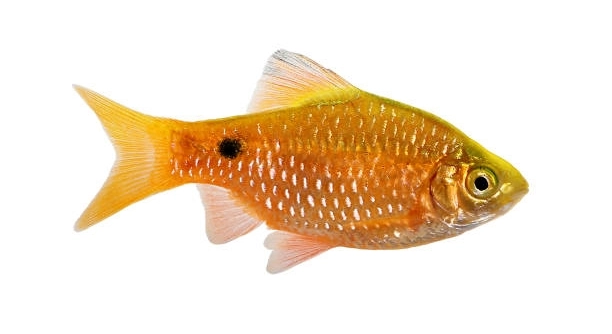
Rosy barbs are popular aquarium fish that many enjoy keeping. Knowing how to tell if they are healthy can make a big difference in their care. Healthy fish usually show clear signs that owners can learn to recognize.
Good rosy barb health is indicated by vibrant coloration, active swimming, clear eyes, smooth scales, normal breathing, healthy appetite, and clean fins. These signs together reflect proper care and a balanced environment for the fish.
Recognizing these signs early can help prevent common health issues and keep your rosy barbs thriving for years.
Vibrant Coloration and Active Swimming
One of the easiest ways to tell if your rosy barb is healthy is by looking at its color. Healthy rosy barbs show bright, rich colors, especially reds and pinks, that stand out clearly. Dull or faded colors can be a sign of stress or illness. Along with their colors, active swimming is a key sign of health. Healthy fish move smoothly and explore the tank without hesitation. They respond quickly to changes around them, like your presence or feeding time. If a fish stays still at the bottom or hides often, it may be feeling unwell. Both vibrant coloration and lively movement show that the fish is comfortable in its environment and getting the nutrition it needs. It’s important to keep the tank clean and maintain proper water conditions to support these healthy behaviors.
Bright colors and lively swimming are good indicators that your rosy barb is feeling well and comfortable.
Watching your fish swim actively around the tank is a simple way to check their well-being. It means they are getting enough oxygen and the right temperature. When they show these signs, you can be confident your care is helping them thrive.
Clear Eyes and Smooth Scales
Clear eyes are another important sign of good health in rosy barbs. Healthy fish have bright, shiny eyes without cloudiness or swelling. Cloudy eyes can signal infections or poor water quality. Smooth scales are also essential. Scales should lie flat against the body without any raised patches, lesions, or missing spots. Rough or damaged scales often point to injury or illness. Keeping the tank clean and providing a balanced diet helps maintain healthy eyes and scales. Avoid sudden changes in water temperature and chemistry, which can stress the fish and cause physical problems. Observing these features closely allows you to catch problems early and keep your rosy barbs healthy and comfortable. Regular water testing and proper feeding routines play a big role in maintaining these signs of good health.
Normal Breathing Patterns
Healthy rosy barbs breathe steadily and calmly. Their gill movement should be smooth and not too fast. Rapid or labored breathing often means stress or poor water quality. Monitoring breathing helps detect problems early before serious illness develops.
Fish breathe by moving water over their gills to extract oxygen. If the water has low oxygen or is polluted, fish may gasp at the surface or breathe rapidly. Stress from overcrowding or sudden changes in temperature also affects breathing. Keeping good filtration and aeration in the tank ensures enough oxygen for your fish. Watching how your rosy barbs breathe daily can help you catch issues quickly, allowing you to adjust tank conditions or check for disease before it worsens.
Maintaining stable water temperature and avoiding overcrowding reduces breathing stress. Regular water testing is key to keeping your fish comfortable and healthy.
Healthy Appetite and Clean Fins
Healthy rosy barbs eagerly eat during feeding times and show interest in food. A good appetite reflects proper nutrition and overall well-being. If a fish refuses food or spits it out, it could be a sign of illness or stress, which requires attention.
Clean fins without tears or discoloration indicate good health. Damaged or frayed fins might result from fights, poor water conditions, or infections. Keeping the tank clean and providing a balanced diet supports fin health. Avoid sharp decorations that could injure fins, and monitor your fish for signs of fin rot or fungal infections. Treating these problems early helps prevent serious damage. Regular observation and care ensure your rosy barbs stay active, eat well, and maintain their beautiful fins. This promotes a longer, happier life for your fish.
Balanced Environment
A stable environment is essential for rosy barb health. Consistent water temperature, clean water, and proper tank size help reduce stress. Sudden changes can harm your fish quickly.
Regular water changes and testing keep the tank safe. Avoid overcrowding to ensure enough oxygen and space for swimming.
Proper Social Behavior
Rosy barbs are social fish that thrive in groups. They swim together peacefully and show no signs of aggression or isolation. Watching their interactions helps assess their well-being. Aggressive behavior or constant hiding may indicate stress or poor health and needs attention.
Consistent Water Quality
Maintaining good water quality is critical. Use a reliable filter and check ammonia, nitrite, and nitrate levels regularly. Keeping these within safe limits prevents disease and supports healthy fish.
Avoiding Stress
Minimizing sudden noise, bright lights, and rough handling helps keep rosy barbs calm and healthy.
FAQ
How often should I check my rosy barb’s health?
It’s a good idea to observe your rosy barbs daily. Look for changes in behavior, color, and activity. Regular quick checks help you catch early signs of illness. Weekly water testing also supports their health by ensuring stable conditions.
What is the best diet for rosy barbs?
Rosy barbs eat a mix of flakes, pellets, and live or frozen foods like bloodworms and brine shrimp. A varied diet keeps them healthy and colorful. Avoid overfeeding; small amounts twice a day work well.
Can rosy barbs live with other fish?
Yes, rosy barbs are social and usually get along with other peaceful fish. Avoid very small or slow-moving fish, as rosy barbs can be nippy. A group of six or more rosy barbs helps reduce aggression among themselves.
How do I know if my rosy barb is stressed?
Signs of stress include faded color, erratic swimming, hiding, and rapid breathing. Stress often comes from poor water quality, overcrowding, or sudden changes in temperature or light.
What are common diseases in rosy barbs?
Common issues include fin rot, ich, and bacterial infections. Look for white spots, torn fins, or lethargy. Early treatment with appropriate medication helps prevent serious problems.
How often should I change the water?
Changing 20-30% of the water weekly keeps the tank clean. Frequent small changes are better than large, sudden ones to avoid shocking the fish. Always use dechlorinated water at the right temperature.
Is tank size important for rosy barbs?
Yes, a minimum of 20 gallons is recommended for a small group. They need space to swim actively. Overcrowded tanks lead to stress and health problems.
What water temperature do rosy barbs prefer?
They thrive in temperatures between 68°F and 78°F (20°C–26°C). Avoid sudden temperature changes, which can cause illness.
How can I encourage my rosy barbs to eat?
Offer fresh food at regular times and avoid overfeeding. If a fish refuses food, check water quality and look for signs of illness.
Can rosy barbs live long in home aquariums?
With proper care, rosy barbs can live 5 years or more. Good water quality, balanced diet, and a stress-free environment increase their lifespan.
Are rosy barbs sensitive to water changes?
They tolerate water changes well if done gradually. Sudden large changes can cause stress or shock. Always match new water temperature and conditions closely to the tank’s.
Rosy barbs are wonderful fish to keep in home aquariums. They bring color and life with their bright scales and active swimming. Taking care of them is not difficult, but it does require attention to certain signs of health. Watching how they look and behave can tell you a lot about their well-being. Simple things like their color, appetite, breathing, and movement all give clues. When these signs are good, it means your fish are comfortable and healthy.
Maintaining a clean and stable environment is very important for rosy barbs. This means keeping the water clean and balanced, avoiding sudden changes in temperature, and making sure they have enough space to swim. Feeding them a proper diet with a variety of foods helps keep their colors bright and their bodies strong. Stress can harm fish quickly, so it is best to keep the tank peaceful and avoid overcrowding. Regular water tests and small water changes help keep the water safe and healthy for your fish.
Knowing the easy signs of good rosy barb health helps you care for them better and catch any problems early. By paying attention to their eyes, fins, breathing, and behavior, you can ensure they live long, happy lives. These fish respond well to gentle care and a balanced environment. With consistent attention and good habits, your rosy barbs will continue to thrive and bring enjoyment to your aquarium for years to come.

Hello,
If you enjoy the content that we create, please consider saying a "Thank You!" by leaving a tip.
Every little bit helps us continue crafting quality advice that supports the health, happiness, and well-being of pets around the world, for pets of all shapes, sizes, and species.
We really appreciate the kindness and support that you show us!