
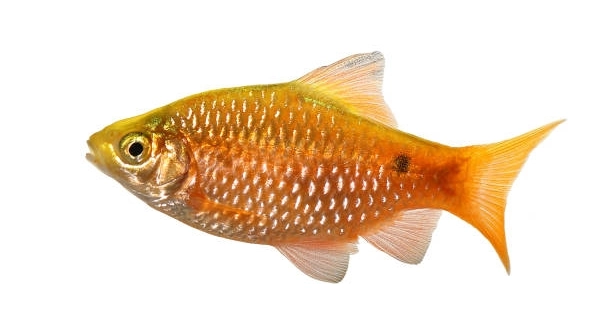
Rosy barbs are small, colorful fish that many people keep in home aquariums. They are active swimmers and often show lively behavior. Understanding how they react to their environment can help owners care for them better.
Rosy barbs have limited ability to recognize repetition in their surroundings. Their learning is mostly based on simple conditioning rather than complex memory. They respond to repeated stimuli through habituation but do not demonstrate advanced pattern recognition.
Knowing how rosy barbs respond to repetition can improve how we interact with them and enrich their living space in aquariums.
How Rosy Barbs Learn from Repetition
Rosy barbs mainly learn through simple repetition and consistent experiences. When they see the same action or stimulus multiple times, they begin to recognize it as normal or safe. This process, called habituation, helps them ignore things that do not affect them. For example, if a fish repeatedly sees a shadow above the tank, it will eventually stop reacting with fear. However, their learning ability is not very complex. They do not understand patterns or sequences like humans do. Instead, their brains react mainly to immediate and repeated signals. This limited learning capacity means owners should be patient and use gentle, consistent cues when trying to train or influence their behavior. Sudden or infrequent changes might confuse them, so steady repetition is key.
This learning style shows that rosy barbs respond best to calm and stable environments where they can get used to repeated events without stress.
Regular repetition helps reduce stress and builds trust between the fish and their environment.
Signs of Repetition Recognition in Rosy Barbs
Rosy barbs show clear signs when they recognize repetition. Their behavior becomes predictable, and they stop reacting to harmless events.
For example, if you feed them at the same time every day, they will start to swim eagerly near the surface at those times. They also stop hiding when exposed to repeated movements or sounds that do not harm them. However, their reactions are simple and mainly based on safety, not understanding complex sequences. This means they can learn routine but do not really “think” about repetition as humans do. Recognizing these signs can help you provide a better environment that feels secure and familiar for your fish. Using this knowledge, you can create feeding or interaction routines that make your rosy barbs comfortable and less stressed over time.
Factors Affecting Repetition Recognition
Several factors influence how well rosy barbs recognize repetition. These include the type of stimulus, its frequency, and the fish’s environment. Fish in stable tanks with minimal disturbances tend to learn repeated cues faster.
The nature of the stimulus is important. Visual cues, like light changes or movements, are often easier for rosy barbs to notice repeatedly. Auditory stimuli, such as tapping on the tank, might cause stress rather than learning. Frequency matters too—events repeated too quickly or too slowly may not register well. Consistent timing helps the fish build a pattern. The environment plays a role as well; a cluttered or noisy tank can distract them, making it harder to focus on repeated signals.
When owners understand these factors, they can better plan interactions. Keeping the tank calm and using clear, steady signals makes it easier for rosy barbs to recognize and respond to repetition.
Training Tips for Rosy Barbs
Using simple, gentle repetition helps train rosy barbs to respond to cues like feeding time or tank cleaning. Consistency is the key. Start by repeating the same action or signal at the same time daily. This might be tapping the glass lightly or showing food before feeding. Keep the signal brief and clear.
Avoid sudden or harsh actions that could scare the fish. Positive repetition helps build trust and reduces stress. Over time, your rosy barbs will begin to associate your signals with certain events. Patience is important, as progress can be slow. Remember, they learn through habit, not complex understanding, so keep interactions simple and steady.
Small changes in routine can cause confusion, so stick to the same pattern. This approach helps make daily care smoother for both the fish and their owner.
Common Misunderstandings About Rosy Barbs’ Learning
Many people expect rosy barbs to remember things like pets do, but their learning is much simpler. They do not form long-term memories in the way mammals do.
They respond mainly to repeated, immediate signals and rely on instinct over memory.
Why Repetition Matters in Tank Care
Repetition helps create a stable environment for rosy barbs. Regular feeding times and consistent light cycles make their world predictable and less stressful. When fish know what to expect, they stay calmer and healthier. Unpredictable changes can cause anxiety, so repeating daily routines supports their well-being.
Signs of Stress from Repetition Overload
Too much repetition or sudden repetitive noise can stress rosy barbs. They might swim erratically or hide more often. Watch for these signs to avoid causing harm.
FAQ
Can rosy barbs learn from repetition like other fish?
Yes, rosy barbs learn mainly through simple repetition and habituation. They respond to repeated signals by becoming less reactive over time. However, their learning is basic and based on safety cues rather than complex understanding. They can recognize routines but do not remember or understand patterns deeply.
How long does it take for rosy barbs to recognize a repeated event?
The time varies depending on the stimulus and environment. Usually, if a signal is repeated consistently every day, rosy barbs begin to react within a few days to a week. The more stable the tank environment, the quicker they adapt. Irregular or inconsistent repetition slows down their recognition.
What kinds of repetition do rosy barbs respond to best?
Visual cues, like feeding gestures or light changes, work best. Rosy barbs are sensitive to movement and light patterns. Gentle tapping on the tank can also be effective but should be used carefully to avoid stress. Repetition works best when it is calm, steady, and predictable.
Can too much repetition harm rosy barbs?
Yes, excessive or loud repetitive stimuli can cause stress. Constant tapping or sudden noises may make them nervous or cause erratic swimming. It’s important to keep signals gentle and spaced out to avoid overwhelming the fish. A calm and consistent environment helps maintain their health.
Do rosy barbs understand human interaction through repetition?
They don’t understand humans in a complex way but can associate repeated actions with outcomes, such as feeding. If you tap lightly or approach the tank at the same time daily, they may swim toward you expecting food. This is habit, not conscious understanding.
How can I use repetition to reduce my rosy barbs’ stress?
Keep feeding and light schedules consistent. Use the same gentle signals before feeding, like showing food or tapping softly. Avoid sudden or loud noises. Repetition helps create a sense of safety by making the environment predictable, which reduces anxiety.
Is it helpful to change the routine sometimes?
Changing the routine often can confuse rosy barbs and cause stress. They thrive on stability. Minor changes can be okay if done slowly, but frequent disruptions may make them hide or act nervously. It’s best to stick to regular patterns.
Can rosy barbs learn tricks through repetition?
They have limited capacity for trick learning. They can associate simple signals with feeding but cannot perform complex behaviors. Training should focus on basic routines rather than expecting them to learn tricks like dogs or other pets.
What are signs that my rosy barbs recognize repetition?
Look for predictable behavior, like swimming toward the surface at feeding times or calming down when a repeated sound happens. They stop reacting fearfully to harmless events that occur regularly. These signs show they have learned to expect and accept certain repeated cues.
How do tank conditions affect repetition learning?
A clean, quiet, and stable tank helps rosy barbs focus on repeated signals. Poor water quality, clutter, or frequent disturbances distract them and slow learning. Creating a calm environment supports their ability to recognize and react to repetition.
Rosy barbs are simple fish when it comes to learning and understanding their surroundings. Their ability to recognize repetition is limited but important for their well-being. They respond mostly to repeated actions or signals that help them feel safe and comfortable. When they experience the same things over time, like feeding or light changes, they begin to expect these events and react less nervously. This kind of learning helps reduce stress and makes their environment more predictable, which is very good for their health.
It is important for anyone caring for rosy barbs to keep this in mind. Using gentle, steady repetition in daily routines helps these fish adjust and feel secure. Whether it’s feeding at the same time each day or signaling feeding with a small tap or light change, consistent cues make a difference. Sudden or loud noises, or constantly changing routines, can confuse and upset rosy barbs. So, patience and a calm approach are key when interacting with them. Understanding their simple way of learning allows owners to create a better home for their fish.
In the end, repetition matters because it shapes how rosy barbs live comfortably in captivity. It is not about teaching them tricks or expecting complex behavior, but about providing a steady, familiar setting. This simple approach helps the fish stay calm and healthy. With time and care, these small fish learn to trust their surroundings through repeated experiences. This knowledge can make caring for rosy barbs easier and more rewarding for anyone who keeps them in an aquarium.

Hello,
If you enjoy the content that we create, please consider saying a "Thank You!" by leaving a tip.
Every little bit helps us continue crafting quality advice that supports the health, happiness, and well-being of pets around the world, for pets of all shapes, sizes, and species.
We really appreciate the kindness and support that you show us!