
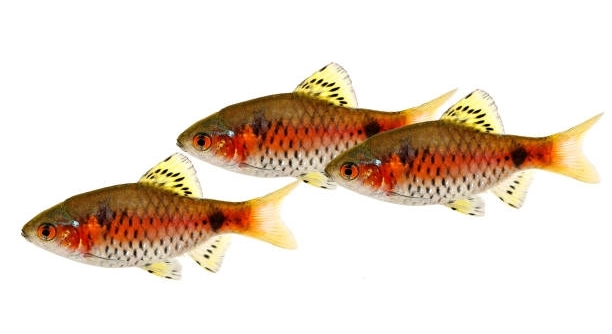
Rosy barbs are popular aquarium fish known for their lively colors and active behavior. Keeping them healthy requires careful attention to subtle signs of stress. Recognizing these signs early can help prevent serious health problems.
Seven subtle movements often indicate stress in rosy barbs. These include erratic swimming, fin clamping, hiding more than usual, sudden darting, loss of appetite, frequent gasping at the surface, and rubbing against objects. Each behavior signals discomfort or environmental issues.
Knowing these stress indicators can improve your fish’s well-being. This guide will help you spot early warning signs and take action to create a better home for your rosy barbs.
Erratic Swimming Patterns
Erratic swimming is one of the earliest signs that your rosy barb might be feeling stressed. Instead of their usual smooth, graceful movement, stressed fish often swim in quick, jerky bursts or circle the tank repeatedly. This behavior shows they are unsettled or trying to escape something uncomfortable in their environment. Changes in water temperature, poor water quality, or aggressive tank mates can all trigger this reaction. Watching your fish closely for this kind of swimming can help you spot problems before they get worse. Addressing water conditions and tank setup usually helps calm their behavior. If ignored, erratic swimming can lead to exhaustion or injury, so prompt action is important.
Erratic swimming means the fish is uncomfortable. It may need a cleaner tank or fewer aggressive neighbors.
By adjusting water temperature and improving filtration, you can often reduce this behavior. Also, removing aggressive fish or adding plants for hiding spaces makes the tank less stressful for your rosy barbs. Regular observation will help you catch this sign early and keep your fish calm.
Fin Clamping
Fin clamping occurs when a rosy barb keeps its fins pressed close to its body instead of spreading them out naturally. This is a subtle but clear sign of stress or illness. Fish often clamp their fins to protect themselves or because they feel weak. It can be caused by poor water quality, sudden changes in the environment, or disease. When you notice fin clamping, it’s important to check the water parameters and look for other signs like discoloration or lethargy. Sometimes, fin clamping goes hand in hand with other stress movements, so watch carefully for combined symptoms. Early intervention with water changes or treatments can help your fish recover quickly.
Maintaining stable water conditions and a clean tank is the best way to prevent fin clamping. Avoid sudden changes in temperature or lighting, which can stress the fish. Providing a calm environment reduces their need to protect themselves and helps keep fins relaxed and healthy.
Hiding More Than Usual
Hiding often means your rosy barb feels threatened or stressed. If they spend more time behind decorations or plants than swimming openly, something might be wrong.
When rosy barbs hide frequently, it usually points to discomfort in their environment. Changes like new tank mates, poor water quality, or sudden noises can cause them to seek shelter. Hiding reduces their exposure to stress but also means they are not thriving. It’s important to check water parameters and ensure the tank conditions are stable. Adding more plants or hiding spots can help fish feel safe and reduce stress.
If hiding continues despite good conditions, it might signal illness or injury. Observing other behaviors like reduced appetite or slow movement can help determine if a vet visit or special treatment is needed. Taking action early can improve their comfort and health.
Sudden Darting
Sudden darting is a quick, sharp movement that shows your rosy barb is startled or stressed. This behavior can stress the fish further if it happens often.
Frequent darting often occurs because the fish feels unsafe or is reacting to sudden changes. Flickering lights, loud noises, or aggressive tank mates can cause this reaction. Over time, constant darting can wear down the fish, affecting its health. Creating a calm and stable environment helps reduce this behavior. Avoid tapping the glass or making sudden movements near the tank to keep them relaxed.
If your rosy barb darts without a clear reason, check for parasites or irritants in the water. Some infections cause itching or discomfort, making the fish move suddenly. Addressing water quality and monitoring tank conditions can reduce darting and support your fish’s well-being.
Loss of Appetite
Loss of appetite is a common sign that a rosy barb is stressed or unwell. If your fish stops eating or shows little interest in food, it’s a signal to check their environment.
Poor water quality, illness, or stress from tank mates can cause appetite loss. Prompt action can prevent further health decline.
Gasping at the Surface
Gasping at the water surface indicates low oxygen levels or poor water conditions. Rosy barbs may struggle to breathe and seek air near the top.
Improving aeration and checking filtration often helps. Regular water changes are important to keep oxygen levels safe and reduce stress.
Rubbing Against Objects
When rosy barbs rub or scrape against decorations or the tank walls, it may mean irritation from parasites or rough water conditions. This behavior can damage their skin if it continues.
What causes stress in rosy barbs?
Stress in rosy barbs usually comes from poor water quality, overcrowding, sudden changes in environment, or aggressive tank mates. Inconsistent temperature or low oxygen levels can also make them uncomfortable. These factors disturb their natural behavior and weaken their immune system, leading to stress signs.
How can I improve water quality to reduce stress?
Regular water changes are key. Aim for changing 20-30% of the tank water weekly. Use a good water filter and test the water often for ammonia, nitrites, and nitrates. Avoid overfeeding, as leftover food can pollute the water quickly. Keeping the tank clean and stable helps your fish stay calm and healthy.
What tank size is best for rosy barbs?
Rosy barbs need at least 20 gallons of space for a small group. They are active swimmers and do better in groups of six or more. A larger tank reduces aggression and stress by giving them room to swim and hide. Overcrowding leads to poor water quality and tension.
Can tank mates cause stress in rosy barbs?
Yes, aggressive or territorial fish can stress rosy barbs. They prefer peaceful, similar-sized fish as tank mates. Avoid housing them with large or overly aggressive species that may chase or nip at them. Observing interactions helps identify if any fish cause stress.
How do I know if my rosy barb is sick or just stressed?
Stress often shows through behaviors like hiding or fin clamping. Illness signs include visible spots, torn fins, swollen body, or unusual swimming. If stress behaviors persist and worsen, or physical symptoms appear, the fish may be sick and need treatment.
What steps should I take if I notice stress signs?
First, test water parameters and improve quality if needed. Check tank mates for aggression and reduce overcrowding. Provide hiding spots with plants or decorations. Maintain stable temperature and lighting. If problems continue, consider consulting a vet for possible illness.
How often should I feed rosy barbs to avoid stress?
Feed them small amounts twice daily, only what they can eat in a few minutes. Overfeeding causes leftover food to decay and pollute water, stressing your fish. A balanced diet with high-quality flakes, pellets, and occasional live or frozen food supports their health.
Can changes in lighting affect rosy barb stress?
Sudden or very bright lighting can startle and stress rosy barbs. Using a consistent light schedule of about 10-12 hours per day helps maintain their natural rhythm. Dimmer lighting or shaded areas in the tank can provide comfort if the fish seem nervous.
Is quarantine necessary for new rosy barbs?
Quarantining new fish for at least two weeks before adding them to the main tank helps prevent introducing diseases or parasites. It also reduces stress on both new and existing fish by ensuring a healthy environment before mixing.
What role do plants and decorations play in reducing stress?
Plants and decorations offer hiding spots and reduce open space that can feel threatening to shy fish. They help break lines of sight, lowering aggression between fish. A well-decorated tank mimics natural habitats and promotes calm, stress-free behavior.
How important is water temperature in stress management?
Stable water temperature between 65°F and 75°F is ideal. Sudden temperature changes can shock rosy barbs and increase stress. Using a reliable heater and thermometer ensures consistent conditions. Avoid placing the tank near drafts or heat sources that cause fluctuations.
Can stress cause disease in rosy barbs?
Yes, chronic stress weakens the immune system, making rosy barbs more vulnerable to infections like ich, fin rot, or fungal diseases. Preventing stress is important for disease resistance and overall health. Early detection and treatment of stress signs reduce illness risk.
Are there any behavioral changes to watch for that indicate improving or worsening stress?
Improvement shows as more normal swimming, better appetite, and relaxed fins. Worsening stress includes increased hiding, constant darting, fin clamping, or rubbing against objects. Monitoring these behaviors regularly helps you react in time to keep your fish healthy.
What should I do if my rosy barb is rubbing against objects?
Rubbing usually signals irritation from parasites or poor water conditions. Check water quality and treat for parasites if needed. A salt bath or medicated treatments may help but consult a vet or fish expert before use. Keeping the tank clean reduces irritation causes.
How long does it take for rosy barbs to recover from stress?
Recovery time varies with the cause and severity. Minor stress can improve within days after fixing water quality or tank setup. More serious issues or illness may take weeks and require treatment. Patience and consistent care are essential for full recovery.
Rosy barbs are lively and colorful fish that bring beauty to any aquarium. However, like all living creatures, they can experience stress that affects their health and behavior. Recognizing subtle movements that show stress is important for anyone who cares for these fish. Paying close attention to signs like erratic swimming, hiding, fin clamping, and other behaviors helps catch problems early. Early detection allows for quick action to improve their environment and reduce stress, which is key to keeping rosy barbs happy and healthy.
Maintaining a clean and stable tank environment is the best way to prevent stress. Regular water changes, proper filtration, and monitoring water temperature and quality are essential tasks. It is also important to consider the social dynamics in the tank by choosing compatible tank mates and avoiding overcrowding. Adding plants and decorations can provide hiding places, making the fish feel safer. Small changes like these can have a big impact on the well-being of your rosy barbs and reduce the chance of stress-related health problems.
Stress can lead to illness if left unchecked, so it’s important to stay observant and respond quickly to any unusual behaviors. Sometimes, changes in movement or appetite may seem minor, but they can be the first signs of a bigger issue. By understanding what to look for and how to react, you create a supportive environment where your rosy barbs can thrive. Taking these steps helps you enjoy their natural beauty and lively behavior for a long time.

Hello,
If you enjoy the content that we create, please consider saying a "Thank You!" by leaving a tip.
Every little bit helps us continue crafting quality advice that supports the health, happiness, and well-being of pets around the world, for pets of all shapes, sizes, and species.
We really appreciate the kindness and support that you show us!