
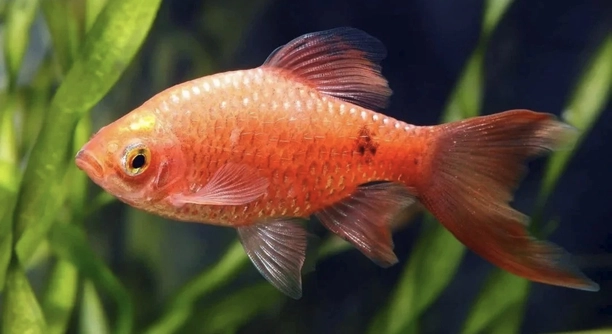
Are your rosy barbs swimming in circles or hiding more than usual? You might be missing a few key care essentials.
Many new owners overlook the specific needs of rosy barbs, which can lead to stress, illness, or behavior changes. Proper tank setup, water conditions, diet, and social structure are crucial to keeping them healthy and active.
Simple adjustments in care can make a big difference in your rosy barbs’ behavior, comfort, and overall health over time.
Inadequate Tank Size
Rosy barbs are active swimmers and need plenty of space to thrive. A small tank can quickly lead to stress, aggression, and poor health. Many new owners assume that a 10-gallon tank is enough, but this species grows to about six inches and does best in a group. A tank smaller than 30 gallons restricts movement, causing territorial behavior and reduced oxygen levels. Limited space also increases waste buildup, making the water harder to maintain. If rosy barbs are confined, they may nip at tank mates or display dull coloration. A larger tank encourages natural swimming patterns and a healthier environment overall.
A 30-gallon tank is the minimum for a small group, but a 40-gallon or larger setup is ideal.
The added space allows room for plants, proper filtration, and swimming zones. It also helps reduce the frequency of water changes and gives the fish room to develop natural social behavior.
Poor Water Quality
Many owners underestimate how sensitive rosy barbs are to unstable water conditions.
These fish require clean, well-filtered water with stable parameters to stay healthy. High ammonia or nitrate levels can lead to stress, disease, and even death. Regular testing is essential. You’ll need a reliable filter, consistent water changes, and an understanding of their ideal pH (6.0–8.0) and temperature range (74–79°F). If the water is too cold, they become sluggish. If it’s too warm, their metabolism speeds up, increasing waste production. Uneaten food also affects quality, so don’t overfeed. Good aeration helps keep oxygen levels stable. Poor water maintenance can lead to fin rot, white spots, or labored breathing. Make small water changes weekly (20–30%) instead of large ones that can shock them. Clean substrate and remove decaying plants or waste regularly. Balanced water keeps them active, vibrant, and free of preventable illness.
Incomplete Diet
Many new owners rely too heavily on generic flakes or pellets, missing the variety rosy barbs need. A one-type diet can lead to dull coloration and sluggish behavior over time.
Rosy barbs do best with a balanced mix of high-quality flakes, protein sources, and plant matter. Supplement their diet with blanched vegetables like zucchini or spinach, and rotate in frozen or live foods like bloodworms or brine shrimp twice a week. This variety improves their energy, color, and digestion. Feeding small amounts twice a day also helps prevent uneaten food from sinking and spoiling the water. Always remove excess food after feeding. A balanced diet supports long-term health and avoids deficiencies that can weaken their immune system or cause bloating.
Skipping vegetables or protein-rich treats may not cause immediate issues, but over time, it can leave them undernourished. Healthy rosy barbs are active, social, and display bold coloration when fed a proper mix.
Lack of Social Companionship
Rosy barbs are shoaling fish and become anxious or aggressive when kept alone. Many owners don’t realize they need a group of five or more to feel secure. One or two fish may chase others or hide constantly, showing signs of stress.
When kept in small numbers, rosy barbs can develop unhealthy social dynamics or even become bullies. A group of at least five helps them feel secure and reduces tension in the tank. They establish a natural pecking order, which keeps behaviors balanced. Watching them swim and interact in a group also makes their movements more natural and predictable. They’re less likely to nip at other species when their social needs are met. If your tank is large enough, increasing the group to seven or more improves their comfort even further. Providing enough hiding spots and open swimming space makes group life more manageable and reduces any dominance issues.
Inconsistent Lighting Schedule
Rosy barbs need a stable day-night cycle to feel secure. Leaving lights on too long or irregular lighting can cause stress and disrupt their natural behavior. Aim for 8 to 10 hours of consistent light daily using a timer.
Without regular lighting, they may become skittish or overly aggressive. Consistency helps regulate their activity, feeding habits, and sleep patterns. Avoid placing the tank near windows to prevent sudden light changes or algae growth from excess sunlight.
Lack of Enrichment
A plain tank leaves rosy barbs bored and inactive. Add live or silk plants, driftwood, and smooth rocks to give them places to explore. This helps reduce stress and encourages natural behaviors. Spread out decorations to create hiding spots and open swimming areas.
Using Strong Currents
Strong filters can create harsh currents that tire out rosy barbs. Use a filter with adjustable flow or add plants to break the current. They prefer moderate movement that mimics slow-flowing rivers.
FAQ
How often should I change the water in my rosy barb tank?
Changing 20 to 30 percent of the water weekly is ideal. This keeps waste levels low and maintains stable water parameters. Avoid large, infrequent water changes, as sudden shifts can stress the fish and cause health problems. Regular partial changes support a balanced environment.
Can rosy barbs live with other fish species?
Yes, but choose tank mates carefully. Rosy barbs are semi-aggressive and may nip at slow-moving or long-finned fish. Suitable companions include other active, medium-sized species like danios, barbs, or larger tetras. Avoid slow, delicate fish that can become targets of fin nipping.
What is the ideal temperature for rosy barbs?
They thrive between 74 and 79°F (23 to 26°C). Temperatures outside this range can stress them and weaken their immune systems. Use a reliable heater and thermometer to maintain stable temperatures, especially in cooler climates.
How do I know if my rosy barbs are stressed?
Signs include hiding, loss of color, erratic swimming, or fin clamping. Stress often results from poor water quality, overcrowding, or improper tank conditions. Acting quickly to improve their environment can prevent illness.
Are rosy barbs suitable for beginners?
They are fairly hardy but need proper care to thrive. New owners often overlook their need for a spacious tank, good water quality, and social groups. With attention to these needs, rosy barbs can be rewarding and lively pets.
What should I feed rosy barbs daily?
A mix of high-quality flakes or pellets designed for tropical fish is a good base. Supplement with frozen or live foods like bloodworms or brine shrimp twice a week. Occasionally add blanched vegetables for fiber and nutrients. Feed small amounts twice daily, removing leftovers to prevent water issues.
How many rosy barbs should I keep together?
At least five to seven. They are shoaling fish that rely on groups for security and social interaction. Small groups can become aggressive or stressed. Larger groups spread out aggressive behavior and promote natural swimming.
Can rosy barbs tolerate a range of pH levels?
They prefer slightly acidic to neutral water, with pH between 6.0 and 8.0. Sudden changes should be avoided. Consistent water parameters reduce stress and support good health. Test water regularly to maintain stable conditions.
What type of filter is best for rosy barbs?
A filter that provides moderate water flow and effective biological filtration is best. Adjustable filters or sponge filters help avoid strong currents, which can tire out the fish. Regular filter maintenance ensures clean water and stable conditions.
How can I prevent fin nipping among rosy barbs?
Provide enough space, keep them in proper group sizes, and maintain good water quality. Adding plants and hiding spots can reduce tension. Avoid mixing with slow or long-finned species that may trigger aggression. Proper diet also helps minimize aggressive behavior.
Final Thoughts
Rosy barbs are beautiful and active fish that can bring life to any aquarium. However, they have specific needs that must be met to keep them healthy and happy. New owners often miss important details like tank size, water quality, and social needs, which can lead to problems. Paying attention to these factors from the beginning can help avoid stress and illness. Providing a proper environment shows respect for the fish and improves their lifespan.
Meeting their basic needs is not difficult but requires commitment. A spacious tank with clean, well-maintained water creates a stable home. Feeding a varied diet supports their health and vibrant colors. Keeping them in groups helps reduce aggression and encourages natural behavior. Even small adjustments, like controlling the light schedule and adding decorations, make a difference in their wellbeing. When these factors are considered, rosy barbs will display more natural activity and social interaction.
Taking care of rosy barbs involves ongoing effort but is rewarding. They respond positively to good care by becoming more energetic and colorful. Being aware of their needs helps prevent common mistakes and improves the overall aquarium experience. This knowledge empowers owners to provide a better life for their fish. With proper care, rosy barbs can thrive and become a pleasant, lively addition to any home aquarium.

Hello,
If you enjoy the content that we create, please consider saying a "Thank You!" by leaving a tip.
Every little bit helps us continue crafting quality advice that supports the health, happiness, and well-being of pets around the world, for pets of all shapes, sizes, and species.
We really appreciate the kindness and support that you show us!