
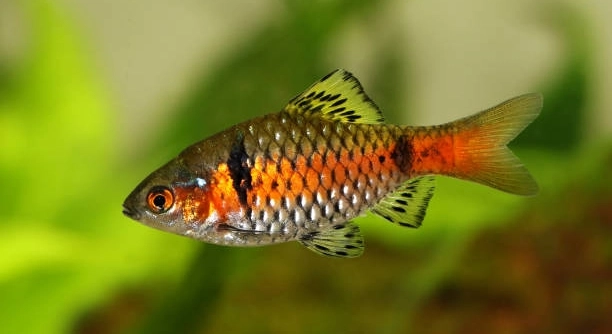
Is your usually calm rosy barb suddenly darting around the tank, acting more energetic than usual and leaving you slightly puzzled?
Rosy barbs can become hyper due to changes in water quality, temperature fluctuations, breeding behavior, or environmental stress. This sudden activity may also be linked to tank mates or a lack of stimulation in their habitat.
From water conditions to tank setup, understanding the cause behind this shift can help you create a more stable and comfortable environment.
Common Reasons for Hyper Behavior in Rosy Barbs
Rosy barbs can show sudden hyperactivity when their tank environment changes. Poor water conditions, such as high ammonia or low oxygen levels, are often to blame. These fish are sensitive to changes and can react strongly to even minor shifts in their surroundings. Temperature spikes or drops can also trigger energetic swimming. Additionally, rosy barbs are social fish, and being kept alone or in a tank with aggressive mates can lead to stress-related behavior. In other cases, their increased energy might signal breeding readiness, especially if males are chasing females around. Lack of stimulation, such as a bare tank or insufficient space to swim, may also cause them to act restless. Providing the right tank conditions and understanding their needs can make a big difference. Watching for other signs like fin damage or hiding can help you determine if the behavior is playful or something more serious.
Other fish in the tank can influence your rosy barb’s energy. Sometimes, it’s a reaction to bullying or overcrowding.
Making sure your tank meets their needs helps reduce stress. A well-maintained environment with clean water, proper lighting, and enough plants or hiding spots keeps them more relaxed. Avoid sudden changes in routine, as stability supports calm behavior.
How to Calm Down an Overactive Rosy Barb
Stress often makes rosy barbs act erratically. Identifying what’s bothering them is key to calming things down.
Start by checking your water parameters using a test kit. Ammonia and nitrite should be at zero, and nitrate should stay below 20 ppm. Keep the temperature steady between 74–78°F. If you’ve made any changes to lighting or the layout recently, try returning things to how they were before. Ensure your rosy barb isn’t being chased or harassed by tank mates. Adding live plants or decor gives them places to explore and rest. Feed them on a regular schedule and avoid overfeeding, which can lead to water issues. If the tank is too small or lacks swimming space, they may feel cramped and restless. A 20-gallon tank or larger is ideal for a small group of barbs. Also, rosy barbs do better in groups of five or more. Being alone or in pairs can lead to stress-related behavior.
Signs the Behavior Might Be a Problem
If your rosy barb is bumping into tank walls, gasping near the surface, or hiding more than usual, it may be stressed. Erratic swimming paired with changes in appetite or color can also signal that something isn’t right.
Hyperactivity caused by stress usually comes with other visible changes. Look for frayed fins, sudden aggression, or avoidance of food. These signs can suggest illness, poor water quality, or tension in the tank. Sudden changes in lighting or environment can make things worse. If you’ve recently added new tank mates or moved decorations around, observe your fish closely. Rosy barbs may respond by becoming overly active, but it’s their way of showing they’re not comfortable. Use a testing kit to check water parameters and make sure filtration is working properly. Keeping track of when the hyperactivity started can also help identify patterns tied to tank conditions or handling.
If the behavior continues despite stable water conditions, there could be a health concern. Parasitic infections or internal issues sometimes show up as odd swimming or bursts of movement. Watch for clamped fins, rapid gill movement, or bloating. These symptoms often require treatment. If unsure, consulting a vet with fish experience may be necessary.
Environmental Changes That Affect Behavior
Changes in lighting schedules, tank setup, or temperature can quickly impact how your rosy barb acts. Even something simple like moving decorations can cause stress or overstimulation, especially if done suddenly or too often.
Water quality shifts are among the most common causes of sudden behavior changes. A partial water change with a large temperature difference or a chemical imbalance can leave your rosy barb unsettled. Always test the water before and after making any changes. Use a thermometer to confirm temperature accuracy, and avoid using untreated tap water. Rearranging plants, rocks, or decor can confuse fish that have grown used to their surroundings. Try to make changes gradually and give them time to adjust. Keeping lights on for too long or too brightly may also agitate your fish. A regular day-night cycle helps stabilize their energy and sleep rhythm. Even small details like vibrations or noises from nearby electronics can have an effect.
When to Be Concerned
If your rosy barb’s hyperactivity is sudden and paired with odd symptoms like weight loss, faded color, or floating issues, it may be serious. These changes can point to illness or poor living conditions that need immediate attention.
Ongoing behavior that doesn’t improve after water adjustments or environmental fixes should be monitored closely. If the activity level remains high despite stable conditions, it could mean a hidden health issue is present and may require professional care.
Feeding Habits and Energy Spikes
Feeding can temporarily boost your rosy barb’s energy, especially if they’ve just eaten high-protein or live foods. This behavior is normal and usually short-lived. However, irregular feeding schedules or overfeeding can cause imbalances that affect behavior. If they become overly active after meals or seem frantic when fed, consider smaller portions. Stick to a consistent routine, feeding once or twice daily in moderation. Avoid sudden changes in food type or amount. Providing a balanced diet with plant-based flakes, pellets, and the occasional treat helps maintain even energy levels and supports overall health.
Final Tip to Keep in Mind
Keeping their tank peaceful and consistent is key. Rosy barbs thrive in stable, well-maintained environments with regular care and minimal disruptions.
FAQ
Can rosy barbs become hyper due to boredom?
Yes, rosy barbs can become hyper when they’re bored. These fish are naturally active and need stimulation. A bare tank or lack of enrichment can lead to restlessness. Without plants, hiding spots, or enough swimming space, they may swim erratically or constantly pace the glass. Adding live plants, rocks, or driftwood helps keep them engaged. You can also switch out or rearrange decorations every few weeks to create a sense of novelty. Keeping them in small groups (five or more) supports social interaction, which helps reduce hyper or anxious behavior caused by isolation or boredom.
Is it normal for rosy barbs to chase each other around the tank?
Chasing is normal among rosy barbs, especially during breeding or when establishing dominance. If the chasing is brief and no one gets hurt, it’s likely harmless. However, constant chasing, fin nipping, or signs of injury suggest a problem. Overcrowding, lack of hiding spaces, or an uneven male-to-female ratio can increase aggressive chasing. Aim for two females per male to reduce tension. Providing space and plenty of plant cover gives fish room to escape or avoid unwanted attention. If one fish is being singled out or looks stressed, you may need to separate them temporarily or rearrange the tank layout.
Can sudden temperature changes make my rosy barb act strange?
Yes, sudden drops or spikes in temperature can affect your rosy barb’s behavior. Even a few degrees difference can cause stress, hyperactivity, or sluggishness. Rosy barbs prefer stable temperatures between 74°F and 78°F. Fluctuations can happen after large water changes or if the tank is placed near a window or vent. Always check water temperature before adding new water, and use a reliable aquarium heater to keep conditions steady. If your barb becomes restless or breathes quickly after a temperature shift, test the water and monitor them closely for signs of ongoing stress or illness.
Does lighting impact rosy barb behavior?
Lighting plays a role in how rosy barbs behave. Strong, direct lighting for long periods can make them restless or overly active. These fish benefit from a clear day-night cycle to regulate their natural activity levels. Keep lights on for about 8 to 10 hours daily, and avoid sudden light changes. Use a timer if possible to maintain consistency. If your fish appear agitated when lights turn on or off, try dimming the light slowly or using floating plants to create shaded areas. A predictable light schedule helps reduce stress and supports healthier, calmer behavior.
What if my rosy barb only acts hyper at certain times of the day?
Some rosy barbs become more active during specific times, especially around feeding. This behavior is normal and often tied to their internal clock or feeding habits. If hyperactivity happens at the same time each day, it may be anticipation. However, if it’s sudden or intense, check for environmental changes or stressors nearby. Sometimes noise, vibrations, or increased activity in the room can affect their behavior. Try observing the tank at different times to see what triggers the reaction. If it’s only brief and doesn’t come with other symptoms, it’s usually nothing to worry about.
How can I tell the difference between playful and stressed behavior?
Playful behavior is usually smooth and consistent—your rosy barb swims with ease, interacts with tank mates, and explores the tank naturally. Stressed behavior, on the other hand, includes darting, hiding, clamped fins, rapid breathing, or refusing food. If they appear frantic, bump into glass, or constantly stay near the surface, it’s likely stress-related. Monitor water quality, check for aggression, and make sure they have hiding spots. A relaxed rosy barb will glide calmly through the water, while a stressed one will often show repetitive or jerky movement patterns.
Should I separate a hyper rosy barb from the group?
Only separate the fish if it’s harming others or appears injured. Rosy barbs are social and prefer to live in groups. Removing one can increase stress and lead to more erratic behavior. If aggression is the issue, try rearranging the tank or adding hiding spaces to break sightlines. A larger tank may also reduce territorial behavior. If the fish remains hyper despite these changes, check for underlying issues like illness or water problems before isolating it. Use separation as a short-term solution, and reintroduce the fish gradually if the behavior improves.
Final Thoughts
Rosy barbs are active fish by nature, but sudden changes in their behavior can signal something more than just energy. If your rosy barb becomes overly hyper out of nowhere, it’s important to observe what else is happening in the tank. Check their environment first—things like water temperature, lighting, or a shift in tank layout can all affect how your fish behaves. Sometimes, something as small as a new decoration or a recent water change can throw them off balance. Keeping a steady environment helps reduce stress and keeps your fish calm and healthy.
It’s also important to understand what normal rosy barb behavior looks like. They often swim around quickly, chase each other, and explore their space. However, when that energy becomes constant, frantic, or paired with signs like clamped fins or loss of color, that’s when you need to take a closer look. Watch their habits during feeding time and check how they interact with tank mates. Fish that are bullied, bored, or left alone in a small group can become restless or aggressive. Providing a balanced diet, enough swimming space, and a peaceful setup supports better behavior over time.
Keeping a close eye on their daily behavior is one of the best ways to catch problems early. If your rosy barb suddenly changes its activity level, it’s not always something serious, but it does mean something has shifted. Whether it’s a stress response or just playful energy, paying attention to details helps you take better care of them. Creating a stable, peaceful home with room to swim, clean water, and a consistent routine gives your rosy barbs the best chance at staying calm and healthy. In the end, a little attention and consistency go a long way when it comes to supporting the well-being of your fish.

Hello,
If you enjoy the content that we create, please consider saying a "Thank You!" by leaving a tip.
Every little bit helps us continue crafting quality advice that supports the health, happiness, and well-being of pets around the world, for pets of all shapes, sizes, and species.
We really appreciate the kindness and support that you show us!