
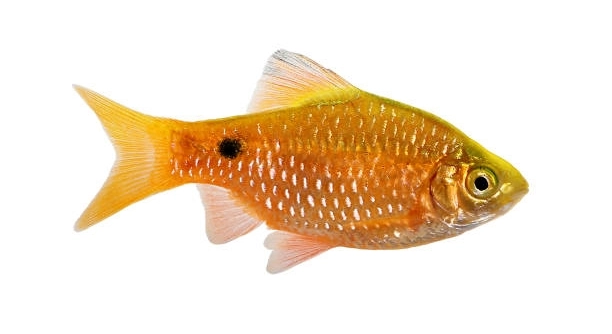
Rosy barbs are popular freshwater fish often kept in groups. Their social behavior and interactions can be fascinating to observe. Many fish owners notice different dynamics forming within their tanks over time.
Rosy barbs do not technically pick favorites in a group, but they can show preferences by spending more time near certain tank mates or responding more actively to specific individuals. This behavior is linked to social hierarchy and comfort rather than true favoritism.
Understanding how rosy barbs interact can improve your aquarium’s harmony. Observing their subtle social cues reveals important aspects of their group behavior and well-being.
Understanding Social Behavior in Rosy Barbs
Rosy barbs are naturally social fish that prefer living in groups. They establish a loose hierarchy, which helps maintain order within the tank. This hierarchy isn’t rigid but influences how individuals interact. Some fish may swim closer to others or show more active behaviors near certain tank mates. This behavior is not about favoritism but rather comfort and familiarity. Fish that feel secure with others tend to spend more time nearby, while less comfortable fish may stay on the outskirts. These social bonds help reduce stress and promote healthier living conditions. Observing how your rosy barbs behave around each other can reveal patterns in their relationships. These patterns can change as fish grow or as the group composition shifts. Understanding this helps in managing your tank better, ensuring that all fish have space and feel safe.
Rosy barbs rely on social cues to interact and adjust their behavior within the group. These cues support group stability and reduce aggression.
Tank conditions, like space and hiding spots, directly affect social interactions. Limited space can increase tension and disrupt natural behaviors. Fish require enough room to swim freely and establish territories without constant conflict. Adding plants and decorations creates areas for retreat and reduces stress. Proper water quality and stable temperatures also keep fish calm and cooperative. When these needs are met, rosy barbs form more balanced social groups. This makes observing their behavior more enjoyable and helps prevent common problems like bullying or hiding. Adjusting tank setup to meet these needs improves both fish health and group dynamics.
Signs Rosy Barbs Show Preferences
Rosy barbs demonstrate preferences by spending more time near certain fish or mirroring their movements. They may also engage in playful chasing or synchronized swimming with particular tank mates. This behavior is more about social compatibility than true favoritism. Fish that match in activity level and temperament tend to bond more easily. Additionally, healthier or more confident fish often become central figures in the group, attracting others. These social interactions can fluctuate based on individual personalities and environmental factors. Watching for these signs helps in identifying the strongest social connections in your tank. It also guides decisions about which fish to keep together or separate for better harmony. Recognizing these subtle signs improves your understanding of rosy barbs’ natural behavior. This awareness helps maintain a peaceful and thriving aquarium community.
How Group Size Affects Rosy Barbs’ Behavior
Rosy barbs behave differently depending on the size of their group. Smaller groups may show more aggression and stronger bonds between individuals, while larger groups tend to have a more stable social structure with less conflict.
In small groups, fish interact more frequently with the same individuals, which can lead to dominance struggles or stronger alliances. These interactions are intense because there are fewer options for socializing. In contrast, larger groups allow fish to spread their attention among many tank mates. This reduces competition and often results in a calmer environment. However, overcrowding can cause stress and disrupt these benefits. Proper tank size and group number must be balanced to support natural behavior. A typical rosy barb group includes at least six individuals to promote healthy social interaction and reduce aggression.
Group size also influences how shy or outgoing individual fish become. In larger groups, timid fish often feel safer and are more likely to explore the tank. Smaller groups might cause these fish to hide more due to increased pressure from more dominant individuals.
Environmental Factors That Influence Social Preferences
Tank setup plays a significant role in how rosy barbs interact with each other. A well-structured environment with plants, hiding spots, and open swimming areas encourages natural behaviors and reduces stress among the fish.
Environmental complexity allows fish to choose where and with whom they spend their time. Rosy barbs may prefer certain spots that offer security or good visibility. These choices affect which tank mates they interact with more often. Without enough space or hiding places, fish might feel trapped or threatened, causing tension and disrupting social bonds. Clean water, proper temperature, and balanced lighting further support calm behavior. Adjusting these factors improves social dynamics, allowing preferences to develop naturally and enhancing overall group harmony. Observing these changes can help in making thoughtful adjustments to the tank environment, leading to a healthier and more peaceful aquarium.
Personality Differences Among Rosy Barbs
Each rosy barb has a unique personality that influences its interactions. Some are more active and social, while others prefer to stay quiet and observe. These traits affect how fish choose companions and form groups.
More outgoing barbs tend to engage in playful behavior and lead group movements. Shyer individuals often follow or keep to themselves. These differences create a natural balance within the group, shaping social preferences and interactions.
Impact of Feeding Times on Social Behavior
Feeding times often highlight social hierarchies in rosy barbs. Dominant fish may eat first or claim the best spots near food, while less dominant fish wait or eat more cautiously.
Regular feeding routines help reduce aggression. Predictability allows fish to feel secure and focus on feeding rather than competing. Consistent feeding also encourages positive social interactions by limiting conflicts over food.
How Health Affects Social Bonds
Healthy rosy barbs are more active and engage more with the group. Ill or stressed fish tend to isolate themselves or become targets of mild aggression.
Maintaining good water quality and nutrition supports strong social bonds by keeping all fish energetic and well.
FAQ
Can rosy barbs really pick favorites among their group?
Rosy barbs do not form favorites like humans do, but they show social preferences. They tend to spend more time near certain fish with compatible behavior or temperament. These preferences are influenced by comfort, familiarity, and social hierarchy rather than personal favoritism.
How can I tell if my rosy barbs are showing social preferences?
Look for patterns in how they swim and interact. Fish that often swim side by side, follow each other, or engage in playful chasing likely have stronger social bonds. Changes in these patterns can indicate shifts in group dynamics or health.
Does tank size affect rosy barbs’ social behavior?
Yes, tank size plays a big role. Larger tanks allow more space for individual territories and reduce competition. Overcrowding causes stress and aggression, disrupting natural social behaviors. Keeping at least six barbs in a tank with sufficient space promotes stable groups.
Do rosy barbs prefer specific tank mates?
Rosy barbs generally get along well with other peaceful, active fish of similar size. They avoid overly aggressive or very timid species. Compatible tank mates reduce stress and support healthy social interaction among rosy barbs.
What environmental factors influence their social choices?
Tank setup is important. Plants, hiding spots, and open swimming areas give fish options to choose where they feel safest. Clean water, stable temperature, and lighting also help reduce stress and promote positive interactions.
How does feeding time affect social dynamics?
Feeding highlights social hierarchy since dominant fish eat first or control feeding spots. Regular, predictable feeding helps reduce conflicts by allowing fish to anticipate mealtimes and feel secure, which supports calmer group behavior.
Can illness affect how rosy barbs interact with each other?
Yes, unhealthy fish often isolate themselves or become targets of aggression. Maintaining good water quality and nutrition keeps fish energetic and socially active, supporting stronger group bonds.
Do rosy barbs need to be in groups?
Rosy barbs are schooling fish and thrive best in groups of six or more. Being in a group reduces stress and allows natural social behaviors to develop. Alone, they may become shy, stressed, or aggressive.
Can rosy barbs change their social preferences over time?
Yes, social preferences can shift due to changes in group composition, fish maturity, or environment. New arrivals or the loss of tank mates can alter interactions, so ongoing observation is important for tank management.
Is aggression common among rosy barbs?
Some aggression happens naturally as fish establish social order. However, excessive aggression usually stems from overcrowding, poor tank conditions, or incompatible tank mates. Managing these factors helps keep aggression at normal levels.
How do rosy barbs communicate social status?
They use body language like chasing, nipping, or displaying fins to assert dominance or submission. These signals maintain group structure without serious harm. Understanding these cues can help identify and manage conflicts.
What should I do if aggression becomes a problem?
Check tank size, water quality, and number of fish first. Adding plants or decorations provides hiding spots and breaks line of sight, reducing stress. Separating overly aggressive fish or increasing group size may also help restore balance.
Do rosy barbs form lifelong bonds?
No, their bonds are flexible and based on current group dynamics. They adjust relationships as needed for survival and comfort. This flexibility helps the group remain stable despite changes.
Can personality affect how rosy barbs interact?
Yes, individual differences in activity and temperament shape social choices. More outgoing fish may lead, while shy fish follow or stay apart. Recognizing these traits can guide tank setup and group management.
Are there signs of stress related to social dynamics?
Fish hiding often, losing color, or refusing to eat can indicate stress from social pressure. Improving tank conditions or adjusting group composition can reduce stress and improve fish welfare.
What is the best way to encourage healthy social behavior?
Maintain a clean, spacious tank with good water quality, balanced diet, and plenty of hiding spots. Keep groups of six or more and choose compatible tank mates. Regular observation helps catch issues early.
Final Thoughts
Rosy barbs are social fish that naturally form groups with complex interactions. While they do not pick favorites like humans, their behavior shows clear preferences based on comfort, familiarity, and social structure. These preferences influence how they swim together, share space, and respond to each other. Understanding these social dynamics helps aquarium owners create a healthier environment that meets the fish’s needs. Watching your rosy barbs over time allows you to see these subtle behaviors and adjust care accordingly.
Maintaining proper tank conditions is essential for supporting rosy barbs’ social behavior. Adequate space, clean water, and appropriate tank mates reduce stress and allow natural interactions to develop. Providing hiding spots and plants also helps fish feel secure and reduces conflict. Group size matters, too; keeping at least six rosy barbs encourages balanced social groups and reduces aggression. Feeding routines that are consistent and calm support peaceful interactions and help maintain harmony within the tank.
Observing rosy barbs closely offers insight into their personalities and social preferences. Each fish may behave differently depending on health, temperament, and environmental factors. Illness or poor water quality can lead to isolation or increased aggression, so regular maintenance and care are important. By understanding these behaviors and needs, fish owners can foster a peaceful, thriving community. Proper care creates a tank where rosy barbs can comfortably interact and display their natural social behavior, making the aquarium experience more rewarding.

Hello,
If you enjoy the content that we create, please consider saying a "Thank You!" by leaving a tip.
Every little bit helps us continue crafting quality advice that supports the health, happiness, and well-being of pets around the world, for pets of all shapes, sizes, and species.
We really appreciate the kindness and support that you show us!