
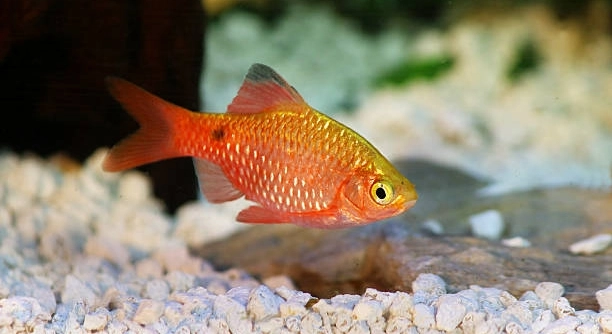
Keeping a Rosy Barb tank interesting is important for these lively fish. Enrichment helps promote natural behaviors and keeps the fish active and healthy. Simple changes to their environment can make a big difference in their well-being.
Seven quick enrichment ideas for Rosy Barb tanks include adding varied plants, introducing floating decorations, using gentle water flow, providing diverse hiding spots, offering live or frozen foods, rearranging tank features regularly, and incorporating safe tank mates. These strategies enhance stimulation and reduce stress.
These practical tips will help you create a vibrant and engaging environment for your Rosy Barbs, supporting their health and natural behavior.
Adding Varied Plants for Natural Comfort
Including a variety of plants in your Rosy Barb tank helps mimic their natural habitat. Different plants provide hiding spots, resting areas, and visual interest. Some fast-growing species like hornwort or water sprite work well because they offer shelter without requiring much care. Floating plants can diffuse light, which softens the environment and reduces stress. Live plants also improve water quality by absorbing nitrates. Artificial plants can be used, but live ones bring extra benefits that support fish health and behavior. It is important to arrange plants at different heights and densities to create a dynamic and layered tank environment. This encourages exploration and reduces boredom. Rosy Barbs will appreciate a tank that feels safe and stimulating, which plants help achieve effectively.
Plants contribute not only to aesthetics but also to the biological balance of the tank. They create a healthier environment overall.
A well-planted tank provides your Rosy Barbs with areas to explore and hide, reducing aggression and promoting natural behaviors. It supports better water conditions, which means fewer health issues. By choosing easy-care plants and mixing textures, you create a lively and comforting habitat that encourages your fish to thrive.
Introducing Floating Decorations for Enrichment
Floating decorations add new layers of interest and stimulation to the tank. These objects break up open swimming space and encourage the fish to interact with their environment in different ways.
Floating decorations create shaded areas and varied textures, which make the tank feel less predictable. Rosy Barbs use these areas to rest or dart around, helping to keep them active and engaged. Examples include floating logs, small rafts, or safe synthetic lily pads. These pieces can be rearranged frequently to maintain novelty, preventing the tank from becoming monotonous. The presence of floating objects also provides a slight sense of security by offering partial cover from above. When choosing decorations, ensure they do not obstruct filtration or limit swimming space excessively. Proper balance between open areas and floating decor supports natural swimming patterns while offering mental enrichment. This simple addition to the tank setup can improve your fish’s overall quality of life.
Using Gentle Water Flow to Stimulate Activity
Gentle water flow simulates natural currents, encouraging Rosy Barbs to swim actively. It also helps distribute oxygen and nutrients evenly throughout the tank. Proper water movement supports their health without causing stress or fatigue.
Creating gentle water flow involves adjusting the filter output or adding a small air stone. This movement encourages fish to exercise and explore, preventing boredom and lethargy. Strong currents should be avoided, as Rosy Barbs prefer moderate swimming conditions. Water flow also helps keep the tank clean by preventing debris buildup. It enhances gas exchange at the water surface, increasing oxygen levels vital for fish health. By carefully managing flow, you create a dynamic but comfortable environment. This balance helps maintain natural behaviors and overall tank stability.
A consistent but gentle current mimics the conditions of their native rivers and streams. This makes your tank environment more engaging and healthier, promoting active and happy Rosy Barbs.
Providing Diverse Hiding Spots for Comfort
Varied hiding spots reduce stress by giving Rosy Barbs safe places to retreat when needed. This lowers aggression and supports natural instincts.
Hiding places can be created with rocks, caves, or dense plant clusters. These offer shelter from bright light and provide security during rest or social interactions. Using different materials and sizes ensures each fish finds a preferred spot. Regularly rearranging these hiding areas can prevent territorial disputes and stimulate exploration. It is important to avoid sharp or unstable decorations that could harm the fish. Providing enough hiding spots for the whole group reduces conflict and creates a more peaceful tank environment. Hiding spots also encourage shy or stressed fish to come out gradually, improving overall tank dynamics. This simple enrichment improves your Rosy Barbs’ comfort and well-being, contributing to their long-term health and happiness.
Offering Live or Frozen Foods for Variety
Live and frozen foods add important nutrients and encourage natural hunting behavior. They are more stimulating than dry flakes or pellets alone.
These foods improve diet diversity and increase fish activity. Options like brine shrimp, daphnia, or bloodworms are well-suited for Rosy Barbs.
Rearranging Tank Features Regularly
Changing the layout of plants, decorations, and hiding spots keeps the environment fresh. This prevents boredom and encourages exploration.
Frequent rearrangement challenges your Rosy Barbs to adapt to new surroundings. It also helps maintain their curiosity and reduces territorial behavior, promoting a more harmonious tank.
Incorporating Safe Tank Mates
Adding compatible fish species creates social interaction and variety. Choose peaceful, similarly sized fish to avoid stress or aggression.
Maintaining a Clean and Stable Environment
A clean tank with stable water parameters supports fish health and enrichment efforts. Regular water changes and monitoring prevent disease and promote activity.
FAQ
How often should I change the plants or decorations in my Rosy Barb tank?
It’s a good idea to rearrange or change plants and decorations every few weeks or once a month. This keeps the environment interesting and helps prevent fish from getting bored. However, avoid making too many changes too quickly, as this can cause stress. Gradual adjustments work best for maintaining a stable, stimulating habitat.
What types of live foods are best for Rosy Barbs?
Brine shrimp, daphnia, and bloodworms are excellent live food options. These foods provide essential nutrients and promote natural hunting behaviors. You can also offer mosquito larvae or tubifex worms occasionally. Make sure live foods come from a reliable source to avoid introducing diseases.
Can I use artificial plants instead of live ones?
Yes, artificial plants are an option, especially if you want low maintenance. However, live plants contribute to water quality by absorbing nitrates and providing oxygen. If you choose artificial plants, clean them regularly to prevent algae buildup.
How strong should the water flow be in a Rosy Barb tank?
Water flow should be gentle to moderate. Strong currents can tire out Rosy Barbs or cause stress. Adjust your filter output or use a diffuser to create soft movement in the water, which encourages natural swimming without overwhelming your fish.
Are floating decorations necessary?
Floating decorations are not mandatory but are beneficial. They create shaded areas and add variety to the tank’s vertical space. This helps reduce stress and encourages exploration. Simple floating logs or safe synthetic plants work well.
What are good tank mates for Rosy Barbs?
Choose peaceful fish of similar size to avoid aggression. Good options include danios, platies, and some peaceful tetras. Avoid overly aggressive or very small fish that Rosy Barbs might bully or eat. Always research compatibility before adding new fish.
How often should I feed live or frozen foods?
Offer live or frozen foods one to two times a week as a supplement to regular flakes or pellets. This keeps your fish diet balanced and interesting. Overfeeding can pollute the tank, so feed small amounts your fish can consume quickly.
How important is hiding space in the tank?
Hiding spaces are very important for reducing stress and aggression. They give shy or weaker fish places to retreat. This encourages natural behavior and helps maintain a peaceful community. Use a mix of caves, plants, and decorations to provide variety.
Will my Rosy Barbs get bored without enrichment?
Yes, Rosy Barbs can become bored if their environment lacks stimulation. This may lead to lethargy or increased aggression. Providing plants, decorations, water movement, and varied food encourages activity and keeps your fish healthy.
Can I use rocks and caves as hiding spots?
Rocks and caves are excellent hiding spots if they are smooth and stable. Avoid sharp edges or unstable structures that could injure fish. Secure decorations well to prevent accidents and create safe retreats for your Rosy Barbs.
How do I maintain water quality while adding plants and decorations?
Live plants help maintain water quality by absorbing harmful substances. Regular water changes and proper filtration are still necessary. Clean decorations as needed to avoid algae buildup, and monitor water parameters regularly to ensure a healthy environment.
What is the best lighting for a Rosy Barb tank?
Moderate lighting is best. Too bright can stress the fish, while too dim limits plant growth. Use a timer to provide consistent light periods, usually 8–10 hours per day. Floating plants can help diffuse light if needed.
How often should I clean the tank?
Perform partial water changes of 20–30% weekly or biweekly, depending on tank size and stocking. Clean the substrate with a siphon and rinse filter media in tank water to maintain beneficial bacteria. Avoid full tank cleaning, which can disrupt the environment.
Can enrichment reduce aggression among Rosy Barbs?
Yes, enrichment like hiding spots, plants, and varied tank layout reduces aggression by providing space for retreat and breaking up territories. Keeping a balanced group size and compatible tank mates also helps maintain peace.
What signs indicate my Rosy Barbs are stressed?
Signs of stress include hiding excessively, loss of color, erratic swimming, or loss of appetite. Stress can result from poor water quality, overcrowding, or lack of enrichment. Address these issues quickly to protect your fish’s health.
Final Thoughts
Creating an engaging environment for your Rosy Barbs is essential to their health and happiness. These fish are active and curious by nature, so providing enrichment can help them thrive in captivity. Simple changes such as adding plants, decorations, or gentle water flow can make a significant difference. These elements encourage natural behaviors like exploring, hiding, and foraging. A well-enriched tank reduces stress, limits aggression, and promotes overall well-being. Taking time to observe your fish and adjust their environment based on their needs will lead to a more balanced and peaceful aquarium.
It is also important to remember that enrichment does not mean complexity. Even small adjustments like offering live or frozen foods occasionally or rearranging tank features can keep your Rosy Barbs interested and active. Variety is key when it comes to both diet and environment. Making sure there are safe places to hide and different textures to explore provides mental and physical stimulation. Over time, these changes will help your fish feel more secure and comfortable. This, in turn, supports their immune system and longevity, making your care efforts worthwhile.
Maintaining a clean and stable tank is the foundation of successful enrichment. Regular water changes, proper filtration, and monitoring water parameters are crucial for fish health. Enrichment should complement good husbandry practices, not replace them. By combining a healthy environment with thoughtful enrichment ideas, you create a space where Rosy Barbs can display natural behaviors and remain vibrant. The goal is to provide a habitat that feels dynamic yet safe, supporting your fish’s needs throughout their life in your care.

Hello,
If you enjoy the content that we create, please consider saying a "Thank You!" by leaving a tip.
Every little bit helps us continue crafting quality advice that supports the health, happiness, and well-being of pets around the world, for pets of all shapes, sizes, and species.
We really appreciate the kindness and support that you show us!