
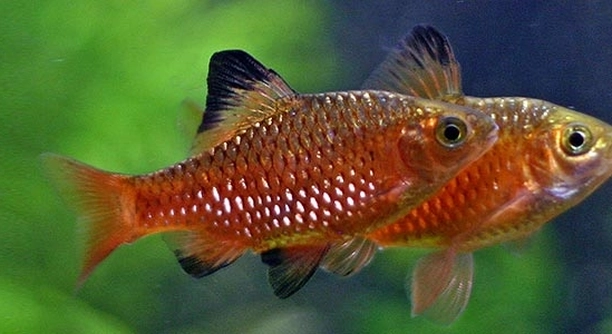
Have you ever walked past your fish tank and felt like your rosy barbs were watching your every move, almost expecting something?
Rosy barbs are able to detect movement and changes in light near their tank, allowing them to sense when a person is approaching. This response is based on visual cues and learned associations with feeding or activity.
These behaviors may seem small, but they reveal just how observant and adaptable these freshwater fish really are.
How Rosy Barbs React to Movement
Rosy barbs are active fish that rely heavily on their vision. They often learn to associate certain visual cues—like a shadow or movement near the tank—with feeding time. Over time, they may start to swim toward the front of the tank or become more active when someone approaches. This is not because they recognize you in the way a dog might, but because they have formed a connection between motion and the arrival of food. Their sharp eyesight helps them pick up on changes outside the tank, and their behavior reflects anticipation. Many fish owners notice a pattern: once the rosy barbs see a person near the tank regularly, they start showing signs of excitement. This is a form of learned behavior. While it may look like they’re watching or responding emotionally, it’s more of a simple cause-and-effect reaction developed through repetition and feeding routines.
This behavior is often mistaken for emotional recognition, but it’s mostly based on learned habits and instincts.
Rosy barbs do not rely on smell like some other species. Their sense of vision plays a much larger role in how they interact with the outside environment. This makes them very responsive to movement and light.
Why Your Fish Responds Differently Over Time
Feeding routines and consistency shape your fish’s behavior. If you often feed them at the same time each day, they start to expect food when they see you. This can explain why their behavior becomes more noticeable over time.
Changes in behavior can also depend on the tank’s setup, lighting, and your interaction patterns. Rosy barbs adapt quickly to repeated routines. If you suddenly walk by the tank at different hours or stop interacting with them, they may show less reaction. Their memory isn’t long-term in the way humans experience it, but they do retain short-term associations. Also, if they live in a busy area of your home, they may become used to constant motion and stop reacting unless something stands out—like someone pausing near the tank or making a noise. On the other hand, in a quieter space, even the smallest movements can catch their attention. Their behavior reflects a balance of instinct, environment, and learned experience. Keeping things consistent is the best way to build recognizable reactions in your rosy barbs.
Environmental Factors That Influence Awareness
Lighting, tank placement, and background activity all influence how rosy barbs react when someone approaches. A tank near a window or busy area can desensitize them, while a quiet spot may make them more alert to even slight movements.
Light levels affect visibility, so a brightly lit tank lets them see you more clearly. If the tank is dim or has a dark background, they may react more strongly when someone suddenly appears. A peaceful environment allows them to stay calmer, which helps them notice changes more precisely. If you often make sudden movements or the tank is in a high-traffic area, they might become less responsive due to overstimulation. Their behavior can shift depending on how predictable the surroundings are. A balanced setup—steady lighting, limited noise, and regular feeding—can help maintain consistent reactions and reduce stress. Simple adjustments to their environment can make a noticeable difference in their awareness.
If your rosy barbs seem skittish, check for tank glare, reflective surfaces, or vibrations. These can cause confusion or distraction, making it harder for them to focus on movement outside the tank. A calm setup makes it easier for them to connect human activity with food or interaction.
Recognizing Patterns and Building Trust
Rosy barbs are quick to form associations, especially when patterns are repeated daily. Feeding at the same time, turning on lights in a consistent way, and gently approaching the tank can help create familiarity. Over time, they may swim toward you in response.
Unlike pets that seek affection, rosy barbs respond to consistency and environmental cues. They notice movement but only react to it if they’ve learned it means something. Creating a predictable pattern helps reduce fear and encourages interaction. Avoid tapping the glass or sudden gestures—these can reset any trust you’ve built. Give them time to adjust and keep changes minimal. Even simple steps like walking slowly or standing still near the tank can help them feel more secure. Rosy barbs respond better when they feel safe. Repeating routines helps them learn that your presence isn’t a threat and may even mean it’s time to eat.
Common Misunderstandings About Fish Behavior
Many people believe rosy barbs recognize them personally, but they are mostly reacting to routine and visual signals. Their excitement near feeding time is a learned response, not a sign of emotional attachment or recognition.
It’s also easy to think they’re bored if they stop reacting, but they may just be used to your movements.
How to Encourage Positive Reactions
If you want your rosy barbs to stay responsive, try keeping feeding times regular and avoid unpredictable gestures near the tank. Use gentle motions, keep noise levels low, and limit distractions like tapping or sudden lighting changes. These small efforts can support a more responsive and relaxed fish.
Signs Your Rosy Barbs Are Comfortable
Active swimming, quick response to movement, and regular feeding behavior are signs of comfort. A calm fish that explores the tank and reacts to you in a predictable way is likely feeling safe and well-adjusted.
FAQ
Can rosy barbs actually see people outside the tank?
Yes, rosy barbs can see people and movement outside their tank. Their eyes are well adapted to detect changes in light, motion, and shapes. If the water is clear and the glass is clean, their visibility is even better. They may not see every detail clearly like humans do, but they can definitely tell when something or someone is nearby. This ability allows them to respond quickly to possible threats or to prepare for feeding. That’s why they often swim to the front of the tank when someone walks by—it’s a visual response based on movement and learned behavior.
Do rosy barbs know who you are?
Not in the way dogs or cats might recognize their owners. Rosy barbs don’t form personal attachments, but they can learn to associate certain patterns or cues with rewards. If you are the one who feeds them regularly, they may begin to respond to your presence more than others simply because they’ve made the connection between you and food. This is a form of conditioning, not recognition in the emotional sense. They are reacting to what your presence means, not necessarily identifying you as a unique individual.
Why do they stop reacting sometimes?
There are a few reasons this can happen. First, they might be full or just not hungry. Second, if you’ve been moving around the tank often, they might have become desensitized to it. Third, changes in water quality or temperature can affect their energy levels. A sudden shift in routine, loud noises, or nearby activity can also make them feel uneasy, causing them to stay hidden or less active. If they’ve stopped reacting altogether, it’s good to check their environment and health to rule out any issues.
Is it okay to tap on the glass to get their attention?
It’s not recommended. Tapping on the glass creates strong vibrations that can stress fish out. Even a light tap can sound loud and feel intense to them. Over time, repeated tapping can make them anxious or cause them to retreat when someone approaches. If you want to interact with your rosy barbs, it’s better to stand nearby, move slowly, or approach around feeding time. Let them come to the front on their own. Creating a calm and predictable environment is more effective than startling them into reacting.
Do rosy barbs get bored without stimulation?
While they don’t need toys like other pets, rosy barbs do benefit from a stimulating environment. Plants, hiding spots, open swimming areas, and occasional changes in scenery help keep them active. A tank that offers variety encourages natural behavior like exploring and darting around. When the environment stays exactly the same for too long, they may appear less active. Adding small changes or varying their diet slightly can help keep them engaged. However, make changes slowly and in moderation to avoid stressing them out.
Can they learn tricks or follow your finger?
Rosy barbs can sometimes be trained to follow a finger or move toward a target, especially if it’s paired with food rewards. This type of learning takes patience and consistency. If you move your finger along the glass and feed them shortly after, they may begin to associate your hand with feeding. Over time, they might swim along with your finger expecting a treat. Just keep in mind they aren’t performing tricks in a playful way—they’re responding to a routine you’ve taught them.
Is their behavior different when kept alone versus in a group?
Yes, rosy barbs are schooling fish, and they are much more active and comfortable in groups. When kept alone, they may become more anxious or withdrawn. In a group, they interact with each other constantly and feel more secure, which often makes them more responsive to their surroundings as well. A group also encourages natural behaviors like shoaling and darting around the tank. If you want your rosy barbs to thrive and remain alert and social, keeping them in groups of at least five is recommended.
How can I tell if they’re stressed or scared?
Signs of stress include darting quickly around the tank, hiding for long periods, faded colors, clamped fins, or refusing to eat. A scared rosy barb may avoid the front of the tank or freeze in one spot when someone approaches. Stress can be caused by sudden movements, loud noises, poor water quality, or too few hiding spaces. If your fish start acting differently, it’s a good idea to check the tank’s conditions and reduce disturbances. A healthy, comfortable fish is active, eats regularly, and responds naturally to light and motion.
Final Thoughts
Rosy barbs are simple fish, but their behavior can be surprisingly thoughtful. They may not recognize faces or form deep bonds, but they do learn patterns. If you feed them regularly and move slowly near the tank, they start to associate your presence with food and safety. This is why they often swim to the front when you approach. It’s not affection, but it is a reaction based on what they’ve experienced. Over time, these small habits become part of their routine, and they react accordingly. It can feel personal, even if it’s not in the way other pets respond.
The way you set up the tank and interact with them makes a big difference. Rosy barbs rely mostly on their vision, so they respond best to things they can see clearly. Tanks placed in calm areas with steady lighting tend to support better reactions. Loud noises, tapping, or constant motion near the tank can make them nervous or cause them to ignore movement altogether. If your fish stop reacting to you, it may not mean something is wrong with them—it might just mean they’ve adapted to the environment or grown used to the activity around them. Keeping things consistent usually helps them stay alert and engaged.
It’s easy to misread their behavior, especially when they seem excited to see you. But understanding that their actions are shaped by patterns and simple instincts can help you take better care of them. With a bit of attention to their surroundings and some gentle, consistent interaction, rosy barbs can become more active and responsive. They don’t need complicated routines or special training—just a safe, predictable space and regular care. Watching them react to your approach can still be a rewarding part of keeping them, even if it’s not emotional recognition. What matters most is that they feel secure and stay healthy in their tank.

Hello,
If you enjoy the content that we create, please consider saying a "Thank You!" by leaving a tip.
Every little bit helps us continue crafting quality advice that supports the health, happiness, and well-being of pets around the world, for pets of all shapes, sizes, and species.
We really appreciate the kindness and support that you show us!