
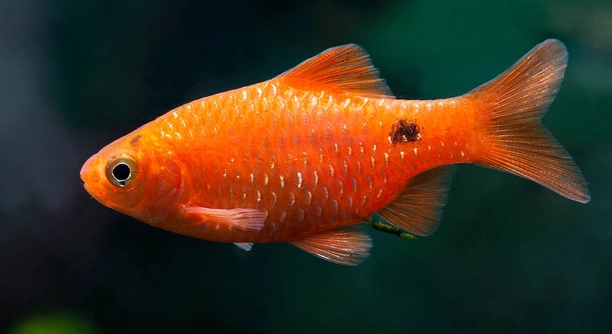
Rosy barbs are vibrant and active fish that need the right environment to thrive. Maintaining their tank properly is essential for their health and happiness. One important factor is ensuring the filter strength matches their needs.
A filter that is too strong for rosy barbs can create excessive water flow, causing stress and difficulty swimming. This imbalance may lead to weakened health and behavioral changes, reducing their overall well-being. Choosing the appropriate filter strength is critical for their care.
Understanding the effects of strong filtration will help you create a better habitat for your rosy barbs. This article outlines key signs to watch for and ways to improve their tank environment.
Restlessness and Erratic Swimming
When the filter is too strong for rosy barbs, you may notice them swimming in a restless or erratic way. The powerful current pushes them around, making it hard to swim calmly or maintain position. They might dart quickly or swim against the flow constantly, which tires them out. This behavior shows that the tank environment is causing stress. In nature, rosy barbs prefer gentle flowing water, so a strong filter disrupts their natural swimming patterns. Over time, this can weaken their stamina and make them more prone to illness. Adjusting the filter to create a gentler flow helps them swim comfortably and reduces stress. Observing how your fish move can be a clear sign that the filter needs to be set to a lower level.
Strong currents interfere with rosy barbs’ natural behavior and can cause them to appear agitated or unsettled.
Recognizing restless swimming is important. When you see your rosy barbs struggling against the water flow, it is a clear indication that the filter is too strong. Lowering the filter power or redirecting the flow can create a calmer environment. Using sponge filters or adding flow diffusers also helps reduce water speed. This adjustment encourages healthier behavior and allows your fish to swim normally. Ensuring the right water flow will keep your rosy barbs active and comfortable in their tank.
Fin Damage and Clamped Fins
Fin damage or clamped fins can develop when rosy barbs live in a tank with overly strong filtration. The constant force of the current can cause their delicate fins to tear or wear down over time. Clamped fins, where the fins stay close to the body, also signal stress or discomfort. This limits their ability to swim properly and can increase vulnerability to infections. When the filter strength matches their needs, fins stay healthy and open naturally. Inspect your fish regularly for any signs of damage. If you notice torn or clamped fins, it may be time to reduce the filter power or reposition the filter output. Proper filtration not only keeps the water clean but also ensures it is gentle enough to protect your rosy barbs’ fins from harm.
Loss of Appetite
A strong filter can stress rosy barbs, causing them to lose interest in food. When fish feel unsettled by strong currents, they may stop eating or eat less frequently. This change can affect their health quickly if not addressed.
Reduced feeding often results in weakened immune systems and slower growth. Fish under stress divert energy from digestion to coping with their environment. Without proper nutrition, they become vulnerable to disease and may show duller colors. Ensuring the filter strength suits their needs helps maintain a calm atmosphere, encouraging normal feeding behavior. Monitoring their appetite closely can alert you early to any issues caused by excessive water flow.
Making adjustments like lowering filter speed or adding plants for shelter can improve feeding habits. Rosy barbs will feel more secure and regain their appetite once the environment feels stable.
Excessive Debris Accumulation
A filter that is too strong may push debris into corners or create uneven water flow, causing waste to build up in certain areas. This can make cleaning more difficult and reduce water quality, even with filtration in place. Uneven debris distribution may lead to dirty spots in the tank, increasing maintenance time and stress for both fish and owner.
Strong currents may also prevent particles from settling into the filter properly, causing more waste to remain in the water. This accumulation can harm water parameters, which directly affects the health of rosy barbs. Adjusting the filter to a moderate flow ensures better debris capture and circulation. Combining a gentler filter flow with regular tank cleaning keeps the environment cleaner and safer. Proper balance between filtration strength and water movement supports both cleanliness and fish comfort.
Increased Stress Levels
Strong water currents cause continuous stress for rosy barbs. Stress weakens their immune system, making them prone to illnesses.
Stress from excessive flow can lead to behavioral changes like hiding or sluggishness. Reducing filter strength helps calm them and supports their health.
Difficulty Resting
Rosy barbs need calm areas to rest and recover energy. Strong currents disrupt these spots, forcing constant swimming. This lack of rest wears them down over time, affecting their overall vitality and well-being.
Reduced Breeding Activity
When water flow is too strong, rosy barbs often avoid breeding. The unstable environment prevents them from building nests or spawning naturally, which can hinder successful reproduction.
Increased Energy Use
Strong filtration forces rosy barbs to swim harder, using more energy. This leaves less energy for growth, immune function, and normal activities.
FAQ
How can I tell if my filter is too strong for rosy barbs?
If your rosy barbs are constantly struggling to swim, hiding more than usual, or showing torn fins, these are signs the filter is too strong. Watch their behavior closely—restlessness and loss of appetite also indicate stress from strong currents. Adjusting the filter to a gentler flow usually improves their condition quickly.
What is the ideal filter strength for rosy barbs?
Rosy barbs thrive in tanks with moderate water flow. The filter should circulate the water well but not create a strong current that pushes fish around. A good rule is to aim for a filter flow rate about 4 to 5 times the tank volume per hour. Using flow diffusers or placing plants near the filter output can soften the current.
Can a strong filter damage rosy barb fins permanently?
Continuous exposure to strong currents can cause fin damage or clamping, but this damage is often reversible if the environment improves. Lowering filter strength and providing hiding spots helps fins heal. If damage is severe or infection sets in, treatment may be necessary, but early intervention usually prevents lasting harm.
Is it better to have weaker filtration to avoid stressing rosy barbs?
While weaker filtration reduces stress from water flow, it should not compromise water quality. A balance is essential—effective filtration without excessive current. Using sponge filters or adding filter guards can help maintain clean water and a gentle flow suitable for rosy barbs.
How often should I clean my filter if I reduce its strength?
Reducing filter strength may require more frequent maintenance to avoid clogging. Check the filter media weekly and clean or rinse as needed. Regular water changes remain important to maintain water quality and keep your rosy barbs healthy.
Can adding plants help reduce the effects of a strong filter?
Yes, plants act as natural flow breakers, creating calm areas in the tank. They provide shelter and reduce stress caused by strong currents. Adding floating or tall plants near the filter output softens the flow and offers resting spots for rosy barbs.
What other equipment can help manage strong water flow?
Using flow diffusers, spray bars, or baffle attachments on your filter can reduce water speed. Sponge filters also provide gentle filtration. These tools help create a more suitable environment without sacrificing water cleanliness.
How quickly will rosy barbs recover after lowering filter strength?
Improvement can often be seen within days as fish become less stressed and start swimming normally. Full recovery, especially for fin damage or appetite loss, may take several weeks. Consistent care and a stable environment speed up this process.
Can a strong filter cause health problems beyond stress and fin damage?
Yes, prolonged stress weakens the immune system, making rosy barbs more vulnerable to infections and diseases. Stress can also stunt growth and reduce lifespan. Maintaining appropriate filter strength is crucial for long-term health.
Is it normal for rosy barbs to avoid certain tank areas near the filter?
If the filter is too strong, rosy barbs may avoid areas with high current. This uneven tank use can limit their movement and increase stress. Adjusting flow to distribute water more evenly encourages natural swimming and exploration.
Finding the right filter strength for rosy barbs is important to keep them healthy and comfortable in their tank. Filters help maintain clean water, but if the flow is too strong, it can cause stress and physical issues for these fish. Rosy barbs prefer gentle to moderate water movement, so it is important to monitor how your fish behave and adjust the filter accordingly. Paying attention to their swimming patterns, appetite, and fin condition can give clear signs if the filtration is too powerful.
Adjusting the filter strength may take some trial and error, but it is worth the effort to create a better environment. Sometimes simply lowering the flow rate or redirecting the output can make a big difference. Adding plants or decorations near the filter can also help break up strong currents and provide calm areas for your rosy barbs to rest. Keeping the tank clean through regular maintenance is important as well, especially if you reduce filter power, to prevent buildup of waste and keep water quality high.
Overall, balancing effective filtration with a comfortable water flow is key for rosy barbs’ well-being. Strong filtration alone does not guarantee a healthy tank if it creates constant stress. By observing your fish closely and making adjustments as needed, you can support their natural behaviors and promote long-term health. A calm, stable environment will allow your rosy barbs to swim freely, eat well, and display their vibrant colors beautifully. Taking the time to manage filter strength carefully benefits both the fish and your enjoyment of the aquarium.

Hello,
If you enjoy the content that we create, please consider saying a "Thank You!" by leaving a tip.
Every little bit helps us continue crafting quality advice that supports the health, happiness, and well-being of pets around the world, for pets of all shapes, sizes, and species.
We really appreciate the kindness and support that you show us!