
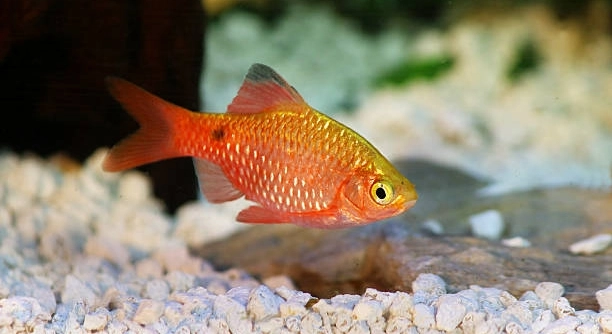
Setting up a Rosy Barb tank can be a rewarding experience for beginners. These colorful fish add vibrancy and activity to any home aquarium. Proper preparation helps ensure a healthy and thriving environment for your Rosy Barbs.
The key to setting up a Rosy Barb tank involves selecting the right tank size, maintaining proper water parameters, providing suitable plants and decorations, and establishing a balanced diet. Regular monitoring and gradual acclimation support fish health and reduce stress.
Following these straightforward tips will make the process easier and more enjoyable. With careful attention, your Rosy Barbs will flourish in their new home.
Choosing the Right Tank Size
For Rosy Barbs, a minimum tank size of 20 gallons is essential. These fish are active swimmers and need space to move freely. A larger tank also helps maintain stable water conditions, which is important for their health. Keeping them in groups of at least six reduces aggression and stress. Proper filtration and aeration support a clean and oxygen-rich environment. Make sure the tank has a secure lid, as Rosy Barbs can jump. Adding gravel or sand as substrate provides a natural setting. Live plants like Java fern or Anubias offer hiding spots and improve water quality. Lighting should mimic a natural day-night cycle to regulate their activity. Regular water changes of 20 to 30 percent each week help keep nitrate levels low. Test the water frequently for pH, ammonia, nitrite, and nitrate to avoid sudden shifts. This preparation ensures a stable and comfortable home for your fish.
A 20-gallon tank with good filtration and space for six or more Rosy Barbs promotes healthy, active fish and a balanced aquarium environment.
Maintaining the right tank size and setup creates a comfortable habitat, reducing stress and encouraging natural behavior. This foundation is critical before adding any fish.
Water Conditions and Maintenance
Rosy Barbs thrive in water temperatures between 74°F and 79°F. Keeping the pH level between 6.5 and 7.5 is ideal, with moderate hardness. Consistent temperature and chemistry prevent illness and support normal activity. A reliable heater and thermometer help maintain these parameters. Avoid sudden changes in water temperature or quality, which can stress the fish. Performing weekly partial water changes removes toxins and keeps the environment healthy. Using a water conditioner to treat tap water eliminates chlorine and chloramines. Testing kits make it easy to monitor ammonia, nitrite, nitrate, and pH levels regularly. Clean the tank and equipment as needed, but avoid over-cleaning beneficial bacteria. Regular maintenance is essential for a long-lasting, thriving aquarium. Proper care of water conditions ensures your Rosy Barbs stay vibrant and energetic.
Selecting Suitable Plants and Decorations
Choosing plants like Java fern, Anubias, and hornwort works well with Rosy Barbs. These plants provide hiding spots and help improve water quality. Avoid sharp or rough decorations that might injure the fish. Smooth rocks and driftwood create a natural feel.
Live plants offer oxygen and absorb nitrates, supporting a healthier tank environment. Floating plants help diffuse light and reduce stress by providing shaded areas. Arrange decorations to allow open swimming spaces, as Rosy Barbs are active swimmers. Avoid overcrowding the tank to maintain good water circulation. A natural setup helps the fish feel secure and encourages natural behavior. Changing the tank layout occasionally can keep the environment stimulating.
Artificial plants can be used but don’t provide the same benefits as live ones. Consider the tank’s overall balance between plants, decorations, and open space. Proper arrangement enhances both aesthetics and fish well-being.
Feeding and Nutrition
Feeding Rosy Barbs a varied diet is essential for their health. Provide high-quality flakes or pellets formulated for tropical fish as a staple. Supplement with live or frozen foods like brine shrimp, daphnia, or bloodworms for added protein. Vegetables such as blanched spinach or peas can be offered occasionally.
Feed small amounts two to three times daily, avoiding overfeeding. Excess food can foul the water and cause health problems. Watch their behavior to adjust feeding amounts. Balanced nutrition supports vibrant color, strong immune systems, and active swimming. Providing a mix of food types ensures all dietary needs are met. Fresh food variety mimics their natural diet and helps prevent boredom with meals.
Monitoring feeding habits closely allows you to catch early signs of illness or stress. Maintaining proper nutrition is a key part of keeping Rosy Barbs healthy and lively.
Acclimating Your Rosy Barbs
Introduce new Rosy Barbs slowly to avoid shock. Float the sealed bag in the tank for about 20 minutes to match temperatures. Gradually add small amounts of tank water into the bag over an hour.
This process helps the fish adjust to water chemistry and temperature changes, reducing stress. Patience during acclimation supports their health and helps prevent illness.
Monitoring Fish Behavior
Watch for signs of stress or illness such as lethargy, loss of appetite, or unusual swimming patterns. Early detection allows for quicker treatment and better outcomes.
Regular observation helps ensure your Rosy Barbs stay healthy and active, making tank management easier.
Avoiding Overcrowding
Overcrowding can cause stress and poor water quality. Keep groups moderate and provide enough space for swimming and hiding.
Proper stocking levels maintain a balanced environment, essential for Rosy Barbs’ well-being.
FAQ
How often should I change the water in my Rosy Barb tank?
Changing about 20 to 30 percent of the water weekly helps maintain a clean and healthy environment. This routine removes harmful toxins like nitrates and keeps water parameters stable. Regular water changes reduce the risk of disease and stress for your fish.
What temperature is best for Rosy Barbs?
Rosy Barbs thrive in water between 74°F and 79°F. Keeping the temperature steady within this range supports their immune system and activity levels. Sudden temperature changes should be avoided as they can cause stress and illness.
Can Rosy Barbs live with other fish?
Yes, Rosy Barbs are generally peaceful and can live with other similar-sized, non-aggressive fish. They do best in groups of six or more, which reduces aggressive behavior within their own species. Avoid slow-moving or long-finned fish, as Rosy Barbs might nip their fins.
What should I feed my Rosy Barbs?
A varied diet is important. High-quality flakes or pellets made for tropical fish should be the base. Supplement with live or frozen foods such as brine shrimp, bloodworms, or daphnia to add protein. Occasional vegetables like peas or spinach provide essential nutrients.
How do I know if my Rosy Barbs are healthy?
Healthy Rosy Barbs are active, have bright colors, and eat well. Watch for signs of illness like clamped fins, lethargy, or white spots. Early detection of problems improves chances for treatment and recovery.
Why are my Rosy Barbs hiding a lot?
Hiding can indicate stress, poor water conditions, or illness. Check water quality and temperature first. If those are stable, assess tank mates and tank setup. Providing plenty of plants and decorations can help them feel secure.
How big do Rosy Barbs get?
Rosy Barbs typically grow up to 2.5 to 3 inches in length. Their size means they need a spacious tank with enough room to swim and interact.
Can Rosy Barbs jump out of the tank?
Yes, Rosy Barbs are known to jump, especially if startled or stressed. Keeping a secure lid on your aquarium prevents escapes and injuries.
How do I introduce new Rosy Barbs to my tank?
Acclimate new fish by floating their bag in the tank for 20 minutes to equalize temperature. Gradually add small amounts of tank water into the bag over the next hour before releasing them. This reduces shock and stress.
What causes Rosy Barbs to lose color?
Color fading often results from poor water quality, stress, or inadequate diet. Ensuring stable conditions and feeding a varied, nutritious diet helps maintain their vibrant colors.
Is it necessary to use a water conditioner?
Yes, treating tap water with a water conditioner removes chlorine and chloramines that are harmful to fish. This step is essential before adding water to the tank.
How many Rosy Barbs should I keep together?
Keeping at least six Rosy Barbs together reduces aggression and encourages natural schooling behavior. Smaller groups may lead to stress and fighting.
What type of filtration is best for a Rosy Barb tank?
A filter that provides both mechanical and biological filtration is best. It keeps the water clean and supports beneficial bacteria that break down waste products.
How can I tell if my Rosy Barbs are stressed?
Signs of stress include hiding, erratic swimming, loss of appetite, and faded colors. Stress can be caused by poor water quality, overcrowding, or incompatible tank mates.
Can Rosy Barbs live in a planted tank?
Yes, Rosy Barbs do well in planted tanks. Plants offer hiding places and help maintain water quality. Choose hardy plants that can withstand the activity level of these fish.
What is the ideal pH for Rosy Barbs?
The ideal pH range is between 6.5 and 7.5. Keeping pH stable within this range supports their overall health and behavior.
How often should I feed my Rosy Barbs?
Feed small amounts two to three times daily. Avoid overfeeding to prevent water pollution and health issues. Only provide what they can consume within a few minutes.
Why are my Rosy Barbs chasing each other?
Chasing can be a sign of establishing hierarchy, especially in smaller groups. Ensure you have enough space and at least six fish to reduce aggressive behavior.
What should I do if my Rosy Barb gets sick?
Isolate the sick fish in a quarantine tank if possible. Test water parameters and correct any issues. Use appropriate medication as recommended for the diagnosed illness.
Can Rosy Barbs tolerate tap water?
Tap water must be treated with a water conditioner before use. Once treated, Rosy Barbs can live comfortably in tap water that meets their temperature, pH, and hardness needs.
How long do Rosy Barbs live?
With proper care, Rosy Barbs typically live 5 to 7 years. Good tank maintenance and diet contribute to their longevity.
Are Rosy Barbs good for beginner fishkeepers?
Yes, Rosy Barbs are hardy and adapt well to community tanks, making them a good choice for beginners who maintain proper tank conditions.
What are common diseases affecting Rosy Barbs?
Common issues include ich, fin rot, and fungal infections. Most can be prevented with good water quality and early treatment.
Can I keep Rosy Barbs in a small tank?
Small tanks under 20 gallons are not suitable. They require space to swim and stable water conditions that larger tanks better provide.
Do Rosy Barbs require special lighting?
Standard aquarium lighting is sufficient. Too bright lighting can stress them, so including shaded areas with plants is beneficial.
How do I clean the tank without harming the fish?
Perform partial water changes and clean algae off surfaces gently. Avoid harsh chemicals and over-cleaning to protect beneficial bacteria.
Can Rosy Barbs live without a heater?
In tropical climates, they might survive without a heater, but consistent temperature is safer. A heater maintains a stable environment year-round.
Setting up a tank for Rosy Barbs can be very rewarding when done properly. These fish are active and colorful, which makes them a great addition to many home aquariums. Creating the right environment starts with choosing an appropriate tank size and ensuring good water conditions. A 20-gallon tank or larger offers enough space for a small group of Rosy Barbs to swim freely and stay healthy. Maintaining stable temperature, pH, and cleanliness is essential to keep stress low and promote natural behavior. Regular water changes and careful monitoring are simple but effective ways to maintain water quality.
Providing proper food and nutrition is another key factor for a thriving Rosy Barb tank. Feeding high-quality flakes or pellets designed for tropical fish covers most dietary needs. Adding occasional live or frozen foods, like brine shrimp or bloodworms, supplies extra protein that keeps your fish strong and colorful. Including some vegetable matter, such as blanched spinach or peas, helps balance their diet. Overfeeding should be avoided because leftover food can pollute the tank and harm water quality. Observing your fish’s eating habits will help you adjust feeding amounts and detect any health issues early.
Setting up the tank carefully with plants, decorations, and proper filtration makes a comfortable home for Rosy Barbs. Live plants not only improve water quality but also provide hiding spots that reduce stress. Decorations should be smooth to prevent injury and arranged to leave open swimming areas. Filtration systems that handle mechanical and biological filtration keep the water clear and safe. Taking time with acclimation helps your fish adjust to new water conditions slowly, which lowers the chance of shock or illness. By following these basic guidelines, you can create a stable and enjoyable environment where Rosy Barbs will flourish and provide enjoyment for years.

Hello,
If you enjoy the content that we create, please consider saying a "Thank You!" by leaving a tip.
Every little bit helps us continue crafting quality advice that supports the health, happiness, and well-being of pets around the world, for pets of all shapes, sizes, and species.
We really appreciate the kindness and support that you show us!