
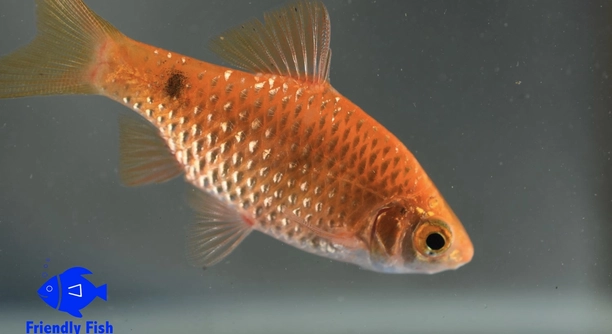
Are your Rosy Barbs active, colorful, and always exploring their tank, making you wonder if they’re truly thriving?
Rosy Barbs are thriving when they display vibrant coloration, consistent activity, healthy appetites, and stable social behavior. Clean fins, responsive movement, and regular interaction with their environment are also key signs of overall health and well-being.
Small changes in their behavior or appearance can reveal important details about their tank life and general health.
Bright and Consistent Coloration
Healthy Rosy Barbs have a noticeable reddish or pink hue that stays strong throughout the day. This vibrant color reflects good water quality, proper diet, and a stress-free environment. When they feel safe and their needs are met, their colors remain rich and eye-catching. Faded or pale coloration could indicate stress or poor conditions. Consistent lighting and a balanced diet high in carotenoids help maintain their natural brightness. Avoid overfeeding, as this affects both water clarity and fish health. Keep tank decor minimal and natural-looking to reduce stress. Make sure they have room to swim and hide as needed. Regular tank cleaning and stable temperatures also play a big role. If their color suddenly fades, check the filter, water temperature, and feeding habits. Healthy fish should look as lively as they act. When you see those deep rosy tones every day, it’s a good sign things are going well.
Color changes can happen quickly, so it’s important to monitor them closely each day.
A bright and steady color isn’t just attractive—it’s one of the clearest signs your Rosy Barbs are thriving. When their color deepens after feeding or stays stable throughout the week, you’re on the right track.
Active Swimming Patterns
A healthy Rosy Barb is always on the move, gliding across the tank with energy and purpose.
They enjoy open swimming space and often travel in groups. If they’re consistently darting around or playing in the current, they’re likely feeling their best. Sudden inactivity, hiding, or unbalanced swimming can mean something’s wrong. Active swimming is a key indicator of both physical health and emotional comfort. It’s important to provide enough space and keep the tank layout simple but stimulating. Plants, smooth rocks, and gentle water flow help support their natural instincts. Avoid overcrowding, as it can stress them and change their behavior. Watch for any changes in how they swim or interact with others. A thriving Rosy Barb will keep moving, occasionally pausing but never staying still for too long. Their active patterns tell you a lot about their comfort with the tank’s conditions and their overall health. Keep observing to make sure their habits stay steady.
Healthy Appetite
Rosy Barbs that eat eagerly and consistently are showing clear signs of thriving. A steady appetite means their digestive system is functioning properly and they’re comfortable in their environment. Skipped meals or disinterest in food can indicate stress, poor water quality, or underlying illness.
Feed small amounts twice a day, offering a variety of high-quality flakes, pellets, and occasional live or frozen foods. Watch how quickly they respond when food hits the water—healthy fish will swim up immediately and eat actively. If food is left behind or they seem disinterested, test the water and observe them closely. Overfeeding leads to bloating and water issues, so only give what they can finish in two minutes. Rotate their diet to include color-enhancing foods and natural protein sources. Appetite reflects both physical and emotional health, and regular feeding routines build a sense of security for the fish.
A thriving Rosy Barb will eat at a steady pace without aggression. If you notice one fish dominating the food, distract with food on both sides of the tank. All fish should get a fair share without competition or frantic chasing. Watch for smooth, steady feeding without gulping, floating food, or visible bloating. Their interest in eating should feel balanced, not frantic.
Clear Eyes and Clean Fins
Rosy Barbs with clear, bright eyes and smooth, tear-free fins are in good health. Cloudy eyes or ragged fins usually signal stress, water issues, or injury. Healthy fins move gently as they swim and shouldn’t stick together or appear frayed.
Check their eyes regularly for cloudiness, swelling, or discoloration. These symptoms can point to bacterial infections or poor water conditions. Clean fins should look even, with no tears, discoloration, or signs of rot. Injuries can happen in overcrowded tanks or if sharp decorations are used. Replace anything with rough edges and give them enough space to move freely. Poor fin health is also tied to poor diet, so be sure they’re eating well. Look for natural fin movement and full extension during swimming. If they’re clamped or dragging, something is off. Spotting these changes early helps prevent more serious problems from developing and keeps your Rosy Barbs in top condition.
Stable Social Behavior
Rosy Barbs thrive in groups and should swim together peacefully. Chasing is normal during play or mild pecking order behavior, but constant aggression or isolation signals stress. A calm, active group means they’re comfortable and well-adjusted in their environment.
Watch for any fish that stays apart or hides constantly. This can be a sign of bullying, illness, or discomfort with tank conditions. Healthy group dynamics are easy to spot—everyone stays active, interacts often, and none seem overly dominant or withdrawn.
Responsive to Stimuli
Rosy Barbs should react quickly when you approach the tank, during feeding, or when the room lights change. Slow reactions or hiding may suggest stress or illness. Healthy fish will explore, swim toward movement, and show curiosity. This responsiveness shows their mental alertness and comfort. Test water if behavior seems off.
Regular Breathing
Their breathing should be smooth and steady, with gills moving evenly. Fast or uneven gill movement can signal poor oxygen levels, stress, or water issues. Healthy Rosy Barbs breathe calmly, even after active swimming.
FAQ
How often should I feed my Rosy Barbs?
Feed them twice a day in small amounts they can finish within two minutes. Overfeeding can lead to poor water quality and health issues like bloating. A varied diet of flakes, pellets, and frozen or live food supports their health and keeps them active and colorful.
What water temperature do Rosy Barbs prefer?
Rosy Barbs thrive in water temperatures between 72°F and 78°F (22°C to 26°C). Sudden changes can stress them, so use a reliable heater and thermometer to keep things stable. Consistent temperature helps with digestion, energy, and overall comfort in the tank.
How many Rosy Barbs should be kept together?
They are social fish and do best in groups of at least five. A small group keeps them active, reduces stress, and helps prevent aggressive behavior. Keeping too few can cause them to become shy or overly dominant toward others in the tank.
Why is one Rosy Barb hiding all the time?
Constant hiding could mean stress, illness, or bullying from other fish. Check water quality, observe tankmates for aggression, and ensure hiding spots aren’t overused. If one fish stays hidden too often, isolate it for observation or make changes to the tank setup.
Are Rosy Barbs aggressive?
They’re generally peaceful but can become semi-aggressive if kept in small numbers or cramped spaces. Fin-nipping and chasing may happen if they’re bored or under stress. A large group and enough swimming space help reduce these behaviors and keep the tank calm.
Do Rosy Barbs need plants in their tank?
Live or artificial plants are helpful, giving them places to explore and rest. Choose smooth-edged plants like Java fern or Anubias to avoid fin damage. Plants also provide shelter, reduce stress, and improve the tank’s oxygen levels. Make sure they don’t crowd the swimming area.
What size tank is best for Rosy Barbs?
A minimum of 20 gallons is needed for a small group, but 30 gallons or more is ideal. These fish are very active and need space to swim. A longer tank allows better movement and helps prevent territorial behavior, especially in larger groups.
Why are my Rosy Barbs losing their color?
Faded colors can mean poor diet, stress, or low-quality water. Feed them a variety of nutrient-rich foods, check for stable water parameters, and reduce any tank stressors. Good lighting and consistent care usually bring their color back within a few days.
How can I tell if my Rosy Barbs are stressed?
Signs of stress include pale color, hiding, erratic swimming, clamped fins, and loss of appetite. Stress often comes from sudden tank changes, poor water conditions, or bullying. Maintain a routine, test water weekly, and avoid overcrowding to help reduce stress.
Do Rosy Barbs need a filter in their tank?
Yes, a good filter is essential for clean water and healthy fish. Rosy Barbs produce waste quickly, and poor filtration leads to ammonia buildup. Choose a filter that matches your tank size and clean it regularly to keep things running smoothly.
Can Rosy Barbs live with other fish?
They do well with other peaceful or semi-aggressive fish of similar size. Avoid pairing them with long-finned or slow-moving species, as Rosy Barbs may nip fins. Ideal tankmates include danios, tetras, or rainbowfish that can keep up with their active nature.
How often should I clean their tank?
Do partial water changes (25%) once a week and remove leftover food or waste daily if needed. Clean algae from the glass and rinse the filter media monthly in tank water to avoid killing helpful bacteria. Clean water helps keep Rosy Barbs healthy and stress-free.
Final Thoughts
Keeping Rosy Barbs healthy and happy is not hard once you understand what to look for. Their behavior, appetite, color, and group dynamics tell you a lot about how well they’re doing in the tank. When their colors stay bright, they swim actively, and respond to feeding, it usually means their environment is supporting them well. These small signs may seem easy to miss at first, but once you become familiar with their normal routines, it’s easier to spot changes that may need attention. Regular observation is key, and even a few minutes each day can help prevent future problems.
A thriving Rosy Barb tank doesn’t just come from feeding them on time. It’s about keeping the water clean, maintaining a steady temperature, and making sure there’s enough space for them to move freely. Their fins should be clean, eyes clear, and gill movement smooth. Watching their group behavior can also reveal a lot—peaceful swimming and balanced interaction mean they feel secure. Even slight changes, like one fish hiding more or not eating, could be a sign that something’s off. Quick action can make a big difference. Simple tools like water test kits and a reliable heater or filter go a long way in keeping things balanced.
These fish are full of personality and bring life to any tank when they’re thriving. Keeping them healthy does take effort, but the reward is a bright, lively group of fish that interact with each other and their surroundings in a natural, energetic way. With steady care and attention, they can remain vibrant and active for years. It’s always worth taking time to learn their habits and notice when anything shifts. Being proactive with maintenance and feeding will help prevent most common problems. In the end, Rosy Barbs are strong, social fish that do well when given a stable, low-stress tank. When you see them swimming together, full of color and life, it’s a clear sign you’re doing things right.

Hello,
If you enjoy the content that we create, please consider saying a "Thank You!" by leaving a tip.
Every little bit helps us continue crafting quality advice that supports the health, happiness, and well-being of pets around the world, for pets of all shapes, sizes, and species.
We really appreciate the kindness and support that you show us!