
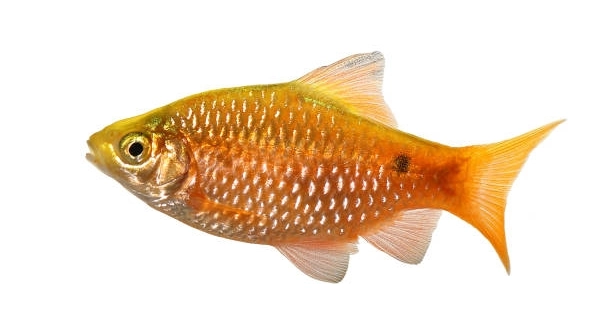
Rosy barbs are popular aquarium fish known for their bright colors and lively behavior. Many fish owners enjoy watching them swim and interact in their tanks. Proper care is important to keep these fish healthy and happy.
Rosy barbs can be overstimulated by excessive light exposure, which may cause stress and behavioral changes. Consistent bright or prolonged lighting disrupts their natural rhythm, leading to potential health issues if not managed properly.
Understanding how light affects rosy barbs helps maintain a balanced environment, ensuring these vibrant fish thrive in home aquariums.
How Light Affects Rosy Barbs’ Behavior
Rosy barbs rely on a natural light cycle to regulate their daily activities. Too much light can overstimulate them, causing increased swimming speed and restlessness. When exposed to constant bright light, they may become stressed, which weakens their immune system and makes them more prone to disease. In some cases, excessive light can also lead to faded colors, reducing the vibrant look that many fish owners appreciate. It’s important to balance the lighting duration and intensity in your aquarium. Ideally, they should experience about 8 to 12 hours of light per day, mimicking their natural environment. Using a timer can help maintain this consistent schedule. Avoid placing the tank in direct sunlight, as it increases light exposure and can cause temperature fluctuations. By managing light carefully, you create a calm, healthy space where your rosy barbs can thrive without feeling overwhelmed or anxious.
Maintaining a proper light schedule supports their natural behavior and overall well-being in the tank environment.
A steady light cycle also helps control algae growth in the aquarium. Too much light encourages algae, which can reduce water quality and harm fish. Balancing light keeps your tank clear and healthier for your rosy barbs.
Signs of Light Overstimulation in Rosy Barbs
Light overstimulation can cause noticeable changes in rosy barbs. They might swim frantically or hide more often. You may see them flashing—rubbing against objects—due to irritation. Their colors may become dull or less vibrant as stress takes a toll. Over time, overstimulation can weaken their immune system, making them vulnerable to infections. Fish that are stressed by too much light also tend to eat less and show reduced activity during usual feeding times. Watching your fish daily will help you notice these changes early. Adjusting the light schedule or dimming the light can improve their comfort. Creating shaded areas in the tank using plants or decorations provides a refuge for barbs when they need to escape bright light. These steps reduce stress and promote a healthier aquarium atmosphere for your fish to enjoy.
Managing Light Exposure for Rosy Barbs
Controlling light exposure is key to preventing overstimulation in rosy barbs. Use a timer to ensure the aquarium receives a consistent light cycle, usually between 8 to 12 hours daily. Avoid placing the tank where sunlight hits directly.
Reducing light intensity helps keep your fish calm. If your lighting is very bright, try using a dimmer or adding floating plants to soften the light. These natural shades create spots where rosy barbs can rest without stress. Adjusting the environment in this way helps mimic their natural habitat and supports their health.
Also, consider turning off the aquarium lights at night to maintain a proper day-night rhythm. Sudden changes in lighting can confuse the fish, so always make adjustments gradually. These small steps make a big difference in managing light stress and encouraging peaceful behavior in your rosy barbs.
Choosing the Right Lighting for Rosy Barbs
Selecting the right aquarium lighting is important for both fish health and tank appearance. LED lights with adjustable brightness are a good choice, as they allow you to control light levels easily. Avoid harsh or very intense lighting that can cause discomfort to your fish.
Soft, natural light colors tend to be less stressful for rosy barbs. Full-spectrum lights that simulate daylight work well, supporting fish coloration without overwhelming them. Using plants and decorations that filter or block excess light can also help create a balanced environment. This setup ensures your fish stay comfortable and vibrant, reducing the risk of overstimulation and promoting a healthy aquarium.
Creating Shade in the Aquarium
Adding plants or decorations creates shaded areas where rosy barbs can rest away from bright light. These spots help reduce stress and offer a sense of security. Natural shade is important for fish comfort and well-being.
Floating plants are especially useful for diffusing light. They block some rays while still allowing enough light for the tank to look bright and healthy. This balance supports both the fish and plant life.
Effects of Overstimulation on Health
Chronic light overstimulation can weaken rosy barbs’ immune systems, making them more vulnerable to infections and diseases. Stress from too much light reduces their ability to fight off illness and may lead to longer recovery times.
How to Adjust Lighting Gradually
Sudden changes in light can shock rosy barbs. Adjust light intensity or duration slowly over several days to help fish adapt without stress or confusion.
FAQ
Can too much light kill rosy barbs?
Excessive light alone is unlikely to directly kill rosy barbs, but it can cause serious stress and weaken their immune system. This makes them more vulnerable to diseases and infections, which can become fatal if left untreated. Managing light exposure helps keep them healthy and strong.
How long should aquarium lights stay on for rosy barbs?
A light cycle of 8 to 12 hours per day is ideal for rosy barbs. This mimics their natural environment and helps regulate their behavior and sleep patterns. Using a timer can keep the lighting consistent and prevent overstimulation.
What kind of light is best for rosy barbs?
Soft, full-spectrum LED lighting works well because it simulates natural daylight without being too harsh. Adjustable brightness is helpful so you can reduce intensity if needed. Avoid overly bright or fluorescent lights that can stress the fish.
Why do my rosy barbs hide when the light is on?
Hiding during bright light often indicates the fish are stressed or uncomfortable. They naturally seek shaded or darker areas when light is too strong. Creating hiding spots with plants or decorations can help them feel safe and reduce this behavior.
Can light overstimulation affect rosy barbs’ color?
Yes, constant or intense light can dull their colors over time. Stress from overstimulation causes the fish to lose some vibrancy. Proper lighting and shaded areas help maintain their bright, healthy appearance.
How quickly should I adjust the lighting if I need to change it?
Make changes gradually over several days to avoid shocking your fish. Sudden shifts in light intensity or schedule can cause confusion and stress. Slowly dim or extend lighting in small steps until you reach the desired level.
Is it okay to have aquarium lights on all day?
No, continuous lighting is harmful. Fish need a period of darkness to rest and maintain their natural cycles. Leaving lights on all day disrupts their routine and can cause overstimulation and health issues.
What other signs show my rosy barbs are stressed by light?
Besides hiding or flashing, stressed fish may swim erratically, lose appetite, or show rapid gill movement. Noticing these signs early helps you take action to improve their environment.
How do plants help reduce light stress?
Plants provide natural shade, breaking up intense light and creating calm spots in the tank. Floating and tall plants offer areas where fish can escape bright rays, which lowers stress and promotes healthier behavior.
Can I use a timer to manage light for rosy barbs?
Yes, timers are highly recommended. They ensure the light turns on and off at the same time daily, keeping a consistent day-night cycle. This consistency reduces stress and supports your fish’s natural rhythms.
Final Thoughts
Taking care of rosy barbs means paying attention to their environment, and light plays a big role in their well-being. Too much light can make them feel stressed and uncomfortable. It can change how they behave, how they look, and even affect their health. Finding the right balance of light is important. It helps your fish stay calm and healthy, so you can enjoy watching their bright colors and lively movements without worry.
Using a consistent light schedule is one of the easiest ways to prevent problems. Most rosy barbs do best with about 8 to 12 hours of light each day. A timer can help keep this schedule steady, so you don’t have to guess or remember when to turn the lights on or off. Creating shaded areas in the tank with plants or decorations also gives the fish places to rest away from bright light. These small changes make a big difference in reducing stress and supporting their natural habits.
Remember, it’s not just about the length of time the light is on, but also how strong the light is. Bright, harsh lighting can upset rosy barbs just as much as having the light on for too long. Soft, adjustable lights are best for keeping the tank looking nice without overwhelming the fish. Watching your rosy barbs closely will help you see signs of discomfort early. When you notice changes in behavior or color, adjusting the lighting or adding shade can help bring them back to a calm and healthy state. By paying attention to these details, you’ll create a safe and comfortable home for your rosy barbs to thrive.

Hello,
If you enjoy the content that we create, please consider saying a "Thank You!" by leaving a tip.
Every little bit helps us continue crafting quality advice that supports the health, happiness, and well-being of pets around the world, for pets of all shapes, sizes, and species.
We really appreciate the kindness and support that you show us!