
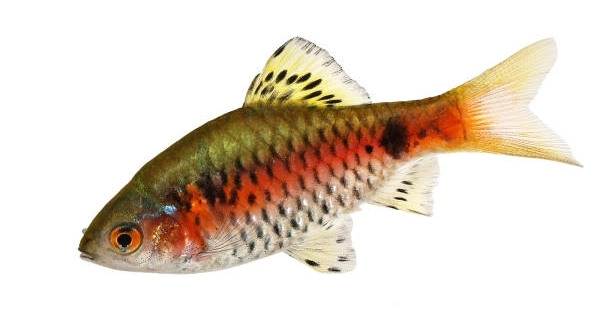
Raising rosy barbs can be a rewarding experience for any fish enthusiast. Ensuring their health during breeding is important for strong, vibrant offspring. Proper nutrition plays a key role in supporting their reproductive success and overall vitality.
Feeding rosy barbs a balanced diet rich in proteins, vitamins, and essential nutrients improves their breeding health. Specific foods like live brine shrimp, daphnia, and high-quality flakes contribute to better fertility, increased egg production, and healthier fry development.
Knowing which foods enhance your rosy barbs’ breeding health helps create the best environment for their growth. These dietary choices support their natural instincts and improve breeding outcomes effectively.
Live Brine Shrimp for Boosted Vitality
Live brine shrimp are one of the best foods to support rosy barb breeding health. These tiny creatures are packed with protein and essential nutrients that help improve fish stamina and fertility. Feeding live brine shrimp stimulates natural hunting behavior, which encourages activity and improves overall fish well-being. This protein-rich food promotes stronger muscle development and better egg production in female rosy barbs. It also enhances the coloration of both adults and their offspring, making them more vibrant and healthy-looking. When offered regularly, live brine shrimp can reduce stress and strengthen immune systems, increasing the chances of successful breeding. Their natural composition closely matches the rosy barb’s dietary needs in the wild, making them an excellent addition to a breeding tank.
Adding live brine shrimp twice or thrice a week can make a significant difference in breeding health. It is important to keep the shrimp fresh and free from contaminants.
Offering live brine shrimp improves not only reproductive success but also fry survival rates. It creates a natural feeding environment that mimics what rosy barbs would find in their natural habitat. The shrimp’s high protein content boosts egg quality and supports developing embryos, leading to healthier and more robust fry. Additionally, the movement of live shrimp encourages adult fish to stay active, which helps maintain their physical condition during breeding periods. For best results, ensure the brine shrimp are small enough for the fish to eat comfortably. Using live brine shrimp as a staple food strengthens the overall breeding process and supports the long-term health of the entire rosy barb population in the tank.
High-Quality Flake Foods for Daily Nutrition
High-quality flake foods offer balanced nutrition that helps maintain rosy barbs’ health between live feedings. They are formulated to provide essential vitamins and minerals that support growth and immune function.
These flakes often include ingredients such as spirulina and fish meal, which promote healthy coloration and vitality. Regular feeding of premium flakes ensures consistent energy levels and better breeding readiness. Choosing flakes with a good protein percentage is key for reproductive success, as it sustains energy needed for spawning. They are convenient and can be fed daily, making it easier to maintain a nutritious diet. Using flakes alongside live foods creates a well-rounded feeding plan that enhances the fish’s breeding potential while maintaining overall health.
Daphnia as a Natural Fertility Booster
Daphnia, also known as water fleas, are an excellent live food option for boosting rosy barb fertility. Their high nutritional content, particularly in proteins and vitamins, makes them ideal for preparing fish for breeding. Daphnia encourage fish to increase their feeding activity, which in turn supports reproductive functions. They are rich in carotenoids that help enhance the natural colors of rosy barbs, a sign of good health and breeding readiness. Feeding daphnia regularly can help improve egg quality and increase spawn size, contributing to a higher success rate in breeding. They also aid in digestion, preventing common problems that can reduce fertility.
In addition to nutritional benefits, daphnia help keep the fish active. This activity is important for muscle tone and overall condition during breeding periods. Their gentle movement stimulates natural feeding responses, encouraging rosy barbs to consume more food and thus receive more nutrients.
To get the best effects from daphnia, offer them two to three times weekly. Be sure to source clean, pesticide-free daphnia to avoid health risks. Combining daphnia with other live foods and flakes supports a comprehensive diet that maximizes breeding health. Daphnia are especially useful when preparing fish for spawning events, giving them the extra boost needed for successful reproduction.
Fresh Vegetables for Balanced Diet
Fresh vegetables provide fiber and essential nutrients that support digestion and overall health in rosy barbs. Including small amounts of blanched spinach or zucchini can improve nutrient absorption.
Regular feeding of vegetables helps maintain a balanced diet, which is crucial during breeding. These plant-based foods contribute vitamins that live and flake foods may lack, supporting immune strength and steady energy. Vegetables also aid in preventing constipation, which can affect breeding health. Adding vegetables once or twice a week complements a protein-rich diet and helps keep the digestive system working smoothly.
Frozen Bloodworms as a Protein Source
Frozen bloodworms are a popular protein-rich food that can improve rosy barb breeding health. They are convenient and easy to store, providing high nutritional value similar to live foods. Bloodworms are rich in iron and essential amino acids, which support reproductive functions and egg development. Feeding frozen bloodworms several times a week adds variety to the diet and helps keep fish interested in their food. Their soft texture is suitable for fry and adult rosy barbs, making them a versatile feeding option.
Using frozen bloodworms in combination with live and flake foods creates a balanced feeding plan. This variety ensures rosy barbs receive all necessary nutrients for optimal breeding health. Bloodworms also encourage active feeding behavior, which is important for maintaining good physical condition. Regular feeding supports strong muscle tone and better spawning results. Care should be taken to thaw bloodworms properly before feeding to preserve their nutritional quality. Overall, frozen bloodworms are an excellent protein supplement that enhances breeding success and supports fish vitality.
Fresh Peas for Improved Digestion
Fresh peas help keep rosy barbs’ digestive systems healthy. They provide fiber that prevents constipation and supports nutrient absorption, which is essential during breeding.
Blanching peas before feeding softens them, making them easy for fish to eat. Peas offer vitamins like A and C that strengthen immune health, important when fish face the stress of spawning. Including peas in the diet twice a week adds variety and helps balance protein-heavy foods. Their fiber content encourages regular bowel movements, preventing common digestive issues that can reduce breeding success. Regular feeding of peas supports overall well-being and energy levels during critical breeding periods.
Peas also contribute antioxidants that protect cells from damage, helping fish recover faster from breeding exertion. They encourage a healthy gut environment, which improves the efficiency of other nutrients consumed. This supports better growth and development in both adults and fry. Offering fresh peas occasionally supports long-term health and enhances the chance of successful reproduction by keeping fish in good physical shape.
Spirulina for Enhanced Color and Immunity
Spirulina is a natural algae supplement rich in protein and antioxidants. It boosts coloration and strengthens the immune system, both key for breeding health.
Including spirulina powder or flakes in the diet increases vitamin intake, helping fish fight diseases during stressful breeding times. Its pigments enhance rosy barb colors, making them more attractive mates. Spirulina also improves energy metabolism, supporting stamina needed for spawning activities. Regular use strengthens resilience against infections, which can otherwise weaken breeding performance. Adding spirulina a few times a week balances other foods and promotes better overall health.
This supplement also promotes healthy skin and scales, reducing the risk of fungal or bacterial infections common in breeding tanks. Spirulina’s nutritional profile supports rapid recovery after spawning and improves fry vitality. Using spirulina complements live and frozen foods by filling nutritional gaps, creating a more complete diet. Its antioxidant properties reduce inflammation and support cellular repair, ensuring the fish remain strong and ready for multiple breeding cycles.
Cooked Egg Yolk for Protein Boost
Cooked egg yolk is an easy, high-protein food that supports rosy barb breeding health. It supplies essential amino acids needed for growth and reproduction.
Small amounts given once or twice a week help improve egg quality and fry development. Be sure to offer finely mashed yolk to avoid water fouling.
Garlic as a Natural Immune Booster
Garlic helps boost rosy barbs’ immune systems, making them stronger during breeding. Its natural antibacterial properties protect against common infections and reduce stress-related illnesses. Adding small amounts of crushed garlic to their food improves appetite and digestion, which supports better nutrient uptake. Regular feeding helps maintain health during breeding cycles, ensuring fish stay active and resilient.
Frozen Mysis Shrimp for Enhanced Nutrition
Frozen mysis shrimp provide a nutrient-rich protein source ideal for breeding rosy barbs. They contain essential fatty acids that support egg development and fry growth. Feeding mysis shrimp increases fertility and improves overall breeding outcomes. Their soft texture is easy for fish of all sizes to consume, making them a versatile choice. Including frozen mysis shrimp in the diet several times a week adds valuable nutrients that live or flake foods might lack. This helps maintain a well-rounded diet, improving vitality and reproductive success in rosy barbs.
Wheat Germ Flakes for Growth Support
Wheat germ flakes offer high protein and vitamins that support growth and breeding health. They are gentle on digestion and help maintain energy levels.
FAQ
What is the best diet for boosting rosy barb breeding health?
A balanced diet combining live foods like brine shrimp and daphnia, along with high-quality flakes, frozen bloodworms, and vegetables, offers the best support for breeding. These foods provide essential proteins, vitamins, and minerals that improve fertility and offspring health. Feeding a variety of nutrient-rich foods keeps rosy barbs strong and ready for spawning.
How often should I feed live foods to my rosy barbs?
Feeding live foods two to three times per week is ideal. This frequency provides enough protein and nutrients without overfeeding. Live foods like brine shrimp and daphnia encourage natural feeding behavior and stimulate activity, both important for breeding health.
Can frozen foods replace live foods in their diet?
Frozen foods like bloodworms and mysis shrimp can partially replace live foods but should not completely substitute them. Frozen foods offer similar nutrients but lack the natural movement that encourages feeding activity. Combining frozen and live foods ensures a balanced diet.
Are vegetables necessary for breeding rosy barbs?
Yes, vegetables like peas, spinach, or zucchini add fiber and essential vitamins that support digestion and immune health. Feeding vegetables once or twice a week prevents digestive issues and helps maintain overall well-being during breeding.
How does spirulina help rosy barbs during breeding?
Spirulina enhances coloration and boosts the immune system with antioxidants and vitamins. Its nutrients help fish stay healthy and resistant to disease, especially during the stress of breeding. Including spirulina in the diet a few times weekly improves stamina and overall vitality.
Is it safe to feed cooked egg yolk to rosy barbs?
Cooked egg yolk is safe and nutritious if given in small amounts. It provides important proteins needed for egg production and fry development. Make sure to mash the yolk finely and avoid overfeeding to prevent water quality problems.
Can garlic improve breeding health?
Garlic has natural antibacterial properties that boost the immune system and reduce infections. Adding small amounts of crushed garlic to the diet improves appetite and digestion, supporting better nutrient absorption. It helps fish stay healthy and active during breeding cycles.
How do I avoid overfeeding when trying to improve breeding health?
Feed small amounts multiple times a day rather than large portions at once. Remove uneaten food after 5 minutes to maintain water quality. Maintaining a balanced feeding routine prevents obesity and keeps fish in optimal condition for breeding.
What signs show that rosy barbs are ready to breed?
Bright colors, increased activity, and chasing behavior are common signs. Males often become more vibrant and display courting behaviors. Females may appear fuller with eggs. Proper nutrition helps enhance these natural signs and supports successful spawning.
Can diet alone guarantee successful breeding?
Diet is critical but not the only factor. Water quality, tank conditions, and stress levels also play important roles. A healthy diet improves breeding chances, but maintaining a clean, well-structured environment is equally important for success.
How do I prepare live foods safely?
Always source live foods from reliable suppliers to avoid parasites or contaminants. Rinse live foods before feeding, and avoid introducing them directly from unknown sources. Cultivating live foods at home can help control quality and safety.
How long before breeding should I improve their diet?
Start enhancing their diet at least two weeks before the planned breeding period. This gives fish time to build up energy reserves, improve egg quality, and increase fertility rates. Consistent feeding of nutrient-rich foods during this time is essential.
What are common mistakes to avoid with breeding diets?
Avoid overfeeding, relying on only one type of food, and neglecting vegetables or supplements like spirulina. Poor water quality due to leftover food also harms breeding health. Providing variety, controlling portions, and maintaining tank cleanliness lead to better outcomes.
Can fry be fed the same foods as adults?
Fry need smaller, softer foods like newly hatched brine shrimp or finely crushed flakes. Gradually introduce adult foods as they grow. Proper nutrition at the fry stage ensures healthy development and increases survival rates.
How do frozen foods affect water quality?
Thawed frozen foods can foul water if not eaten quickly. Remove leftovers promptly to maintain cleanliness. Using frozen foods sparingly and in small amounts prevents water quality issues that can stress fish and reduce breeding success.
Rosy barbs need good nutrition to breed well and stay healthy. Feeding them a balanced diet with different types of foods helps support their breeding health. Live foods like brine shrimp and daphnia provide important proteins and vitamins that boost fertility and egg quality. Frozen foods such as bloodworms and mysis shrimp add variety and essential nutrients, while high-quality flakes supply daily vitamins and minerals. Including fresh vegetables like peas helps with digestion and overall well-being. Giving your fish a mix of these foods will improve their chances of successful breeding and keep them strong during the process.
It is also important to remember that feeding should be done carefully. Overfeeding can harm water quality and stress the fish, which may reduce breeding success. Offering small portions several times a day and removing uneaten food helps keep the tank clean and the fish healthy. Using supplements like spirulina or garlic can further improve immune health and coloration, making the fish more vibrant and resistant to disease. Preparing foods properly, such as blanching vegetables and finely mashing egg yolks, ensures they are easy to eat and digest. A well-planned feeding routine supports not only breeding but also the long-term health of rosy barbs.
Along with good nutrition, other factors like tank conditions and water quality play a key role in breeding success. Providing a clean, stable environment with proper temperature and hiding places encourages natural breeding behavior. Watching for signs like bright colors and active chasing can help you know when your rosy barbs are ready to spawn. Feeding nutrient-rich foods at least two weeks before breeding gives fish time to build energy and produce healthy eggs. By combining proper diet with good care and environment, you increase the chances of raising strong, healthy fry and enjoying the rewarding experience of rosy barb breeding.

Hello,
If you enjoy the content that we create, please consider saying a "Thank You!" by leaving a tip.
Every little bit helps us continue crafting quality advice that supports the health, happiness, and well-being of pets around the world, for pets of all shapes, sizes, and species.
We really appreciate the kindness and support that you show us!