
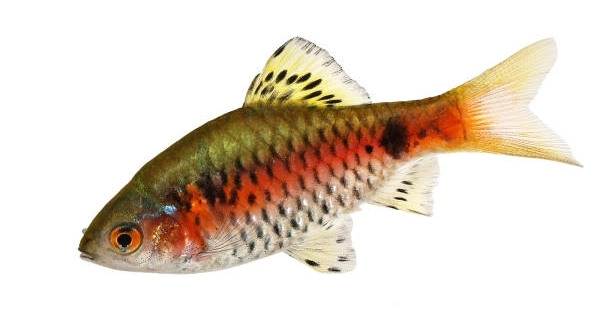
Rosy barbs are popular freshwater fish often kept in home aquariums. Many fish owners wonder if these lively creatures can experience boredom when their environment lacks stimulation. Understanding their behavior helps create a better habitat for them.
Rosy barbs do not experience boredom in the same way humans do, but a lack of environmental enrichment can lead to stress and reduced activity. Providing varied stimuli supports their natural behavior and overall well-being in captivity.
Knowing how to keep rosy barbs engaged can improve their health and happiness. This article explains what factors influence their behavior and how to create a suitable environment for them.
How Rosy Barbs React to a Boring Environment
Rosy barbs are active fish that thrive in tanks with movement and variety. When their environment is plain or lacks interest, they may swim less or hide more often. Without stimulation, they can become stressed, which affects their health. Fish need things to explore, such as plants, decorations, or even other fish. Changes in lighting or water flow can also keep them alert. In a dull tank, rosy barbs might lose their bright color and seem less lively. Their behavior can be a clear sign of how they feel. Observing your fish helps you understand if they need more attention in their environment. Keeping their tank clean and adding new elements now and then can prevent boredom. It’s important to remember that a happy fish is usually an active one, showing natural behavior that you can enjoy watching.
Adding some movement or variety in the tank helps keep rosy barbs active and healthy.
Keeping rosy barbs interested means changing their environment in small ways regularly. You can add plants that sway or objects to swim around. Even rearranging decorations can provide new places for them to explore. Fish also benefit from companions, as they are social and enjoy swimming in groups. Feeding them different types of food can add some excitement. These small efforts make a big difference in their mood and activity. When rosy barbs feel engaged, they show brighter colors and swim more confidently. Watching their behavior after changes can help you learn what they like best. This way, you create a comfortable and lively tank that suits their needs.
Signs That Rosy Barbs Need More Stimulation
Changes in behavior can show when rosy barbs feel unstimulated.
If your rosy barbs start hiding, swimming slowly, or losing color, it could mean they need more stimulation. Fish kept alone or in empty tanks often show signs of boredom or stress. They might also ignore food or act restless. These are signals that their environment does not meet their natural needs. Adding plants, rocks, or other fish can help. Creating currents or varying the light can also improve their surroundings. Observing these changes early helps prevent health issues. A well-stimulated fish is more active, curious, and colorful. The goal is to provide a balanced habitat where they feel safe but also have enough variety to keep their interest. Regularly checking on their behavior ensures they stay happy and healthy in your care.
How to Keep Rosy Barbs Engaged
Providing a mix of plants, decorations, and companions can help keep rosy barbs interested. Changing elements occasionally prevents their environment from becoming dull.
Variety is key for keeping rosy barbs active. Live plants give them places to hide and explore, while decorations add structure to their tank. Grouping them with other rosy barbs encourages natural schooling behavior, which helps reduce stress. Switching up the layout or adding new items every few weeks keeps their environment fresh. Feeding a varied diet also offers mental stimulation, as they get to explore different tastes and textures. These simple steps promote natural behaviors and keep your fish lively.
Environmental changes should be gradual to avoid stressing rosy barbs. Sudden shifts in water temperature, lighting, or tank layout can cause discomfort. Instead, introduce new decorations slowly and monitor their reaction. Regular observation helps you see what they respond to best, allowing adjustments over time. Consistent care paired with thoughtful enrichment creates a healthy setting where rosy barbs thrive and remain engaged without stress.
The Importance of Social Interaction for Rosy Barbs
Rosy barbs are social fish that do best in groups. Isolating them can lead to boredom and stress.
Keeping rosy barbs in groups supports their natural behavior and reduces anxiety. They feel safer and more confident swimming with others. A minimum group of five is recommended to encourage schooling and reduce aggression. When kept alone, rosy barbs may become withdrawn or display unusual behaviors. Social interaction also stimulates activity, making the fish more colorful and vibrant. Group dynamics allow them to communicate and establish a natural routine. Proper social settings create a more balanced and enriching environment, which benefits their physical and mental health. Ensuring your rosy barbs have company helps maintain a lively and healthy aquarium.
Tank Size and Space Matter
Rosy barbs need enough room to swim freely. A cramped tank can lead to stress and inactivity.
A minimum of 20 gallons is recommended for a small group. More space allows natural movement and reduces aggression. Overcrowding can cause boredom and health problems.
How Lighting Affects Activity
Lighting influences rosy barbs’ behavior and mood. Balanced light cycles help maintain their natural rhythms. Too much light can cause stress, while too little may reduce activity and color vibrancy.
The Role of Water Quality
Clean water is essential for healthy, active rosy barbs. Poor water quality can make them lethargic or sick.
Adding New Elements Gradually
Introduce new decorations or plants slowly. Sudden changes may stress the fish and disrupt their comfort.
FAQ
Can rosy barbs get bored if they are alone?
Yes, rosy barbs are social fish and usually need the company of their own kind. When kept alone, they can become less active and show signs of stress. Being in a group helps them feel safe and encourages natural behaviors like schooling and exploring.
How often should I change the tank setup to keep rosy barbs interested?
Small changes every few weeks are best. Rearranging decorations or adding new plants can keep their environment stimulating. Too frequent changes might stress the fish, so it’s important to watch how they respond and keep adjustments gradual.
What types of decorations are good for preventing boredom in rosy barbs?
Live plants, smooth rocks, and safe artificial decorations work well. These provide hiding spots and new areas to explore. Avoid sharp objects that could harm the fish. Floating plants can also add variety by creating shaded areas.
Is it okay to add other fish species to keep rosy barbs company?
Yes, but choose peaceful species that share similar water needs. Aggressive or very large fish can stress rosy barbs. Ideal tankmates are other small, calm community fish that won’t compete for the same space or food aggressively.
Does feeding variety help with stimulation?
Definitely. Offering different types of food like flakes, pellets, frozen, or live foods can keep rosy barbs interested. It mimics their natural feeding habits and provides mental stimulation as they explore different textures and tastes.
What are signs that my rosy barbs are bored or stressed?
Look for hiding more often, swimming slowly, losing color, or refusing food. These behaviors may signal that their environment is lacking stimulation or that they are feeling uncomfortable. Adjusting their surroundings often helps.
Can rosy barbs be trained or respond to interaction?
While they don’t learn tricks like some pets, rosy barbs do recognize feeding times and may respond to the presence of their owner. Regular feeding schedules and gentle movement near the tank can create a positive routine for them.
How important is water quality for keeping rosy barbs active?
Water quality is crucial. Dirty or poorly maintained tanks cause stress and illness, making fish less active. Regular water changes, proper filtration, and monitoring water parameters keep rosy barbs healthy and energetic.
What tank size is best for a small group of rosy barbs?
A 20-gallon tank is the minimum for a small group of about five rosy barbs. Larger tanks provide more swimming space, reduce aggression, and allow for better environmental enrichment.
Can sudden changes in the tank cause boredom or stress?
Sudden changes often cause stress rather than boredom. It’s better to introduce new decorations, plants, or tankmates slowly. This helps rosy barbs adjust without feeling threatened or confused.
Does lighting affect their mood and activity levels?
Yes, proper lighting helps maintain their natural day-night cycles. Too bright or too dim light can cause stress or inactivity. A balanced light schedule supports their health and encourages natural behaviors.
Are rosy barbs active during the day or night?
They are primarily active during the day. Rosy barbs use daylight to find food and swim around. At night, they rest in sheltered areas, so a regular light-dark cycle is important for their well-being.
Is it necessary to have a filter in the tank?
Yes, a filter keeps water clean and oxygen-rich. Good filtration reduces harmful waste and maintains a stable environment, which is essential for keeping rosy barbs healthy and active.
How can I tell if my rosy barbs are happy?
Happy rosy barbs swim actively, display bright colors, interact with tankmates, and show interest during feeding. They explore their environment and don’t hide excessively. These behaviors usually indicate comfort and good health.
What can I do if my rosy barbs seem bored despite enrichment?
Check water quality, tank size, and social setup first. If all basics are met, try introducing new plants or decorations slowly. Sometimes, adding a few more tankmates or changing feeding routines helps stimulate their interest. Patience is important as they adjust.
Rosy barbs are lively fish that benefit greatly from a well-thought-out environment. They do not feel boredom in the same way humans do, but they can become stressed and less active if their tank lacks variety and stimulation. Providing enough space, social companions, and environmental enrichment helps keep them healthy and happy. Simple changes like adding plants, decorations, and different foods make their daily life more interesting. This supports their natural behaviors and can prevent problems related to stress and inactivity.
It is important to pay attention to how rosy barbs behave. Signs like hiding too much, swimming slowly, or losing color can mean they need more stimulation or better care. Keeping their water clean and stable is another key factor in their well-being. Regular water changes and proper filtration help maintain a safe home for them. Lighting and tank layout also influence how active and comfortable they feel. Small adjustments made over time can improve their quality of life significantly.
Taking the time to understand and meet the needs of rosy barbs benefits both the fish and the owner. A lively, colorful tank is more enjoyable to watch, and the fish live longer, healthier lives. By offering a balanced environment with social interaction, space, and variety, you create a better home for these beautiful fish. The effort to maintain their tank and enrich their surroundings pays off with happy, active rosy barbs that show their natural charm every day.

Hello,
If you enjoy the content that we create, please consider saying a "Thank You!" by leaving a tip.
Every little bit helps us continue crafting quality advice that supports the health, happiness, and well-being of pets around the world, for pets of all shapes, sizes, and species.
We really appreciate the kindness and support that you show us!