
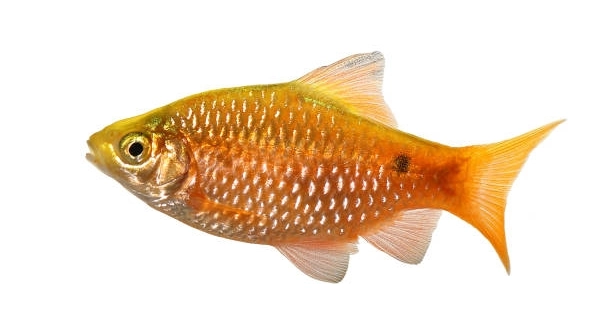
Do you ever find yourself adding a little extra food to your fish tank, thinking it might make your Rosy Barbs happier and healthier?
Overfeeding Rosy Barbs can lead to digestive problems, water pollution, and increased stress. This behavior not only affects their health but also disrupts the tank’s overall ecosystem, potentially causing harmful spikes in ammonia and nitrite levels.
Understanding how overfeeding impacts both your fish and their environment can help you avoid common mistakes and maintain a healthy aquarium.
Signs Your Rosy Barb Is Overfed
Feeding your Rosy Barb too much can lead to noticeable changes in their behavior and appearance. One of the first signs is a bloated belly. This can make swimming uncomfortable and may even cause buoyancy issues. You might also notice leftover food sinking to the bottom of the tank, which is a sign that your fish isn’t eating everything you give them. Waste production may increase as well, clouding the water and making it harder to keep clean. These signs can show up slowly, so it’s important to keep a close eye on their feeding habits and environment.
A Rosy Barb that eats too much may also become less active and hide more often, which can be easy to overlook.
Behavioral changes, combined with poor water quality, can make your fish feel unwell. Over time, this weakens their immune system, leaving them open to disease and infections that are harder to treat.
How Overfeeding Affects the Tank
Food that isn’t eaten quickly begins to rot, which impacts water quality almost immediately. The tank may start to smell, and filters might clog more often. These conditions make it difficult for Rosy Barbs to live comfortably.
Rotting food and increased waste cause a rise in ammonia, nitrites, and nitrates, all of which are harmful to fish. Even small spikes in these levels can create a toxic environment. Rosy Barbs are hardy, but they can still become stressed or sick from poor water conditions. Over time, algae can grow faster, covering tank surfaces and reducing the amount of oxygen available. Tank mates may also suffer, especially species that are more sensitive to changes. Regular maintenance becomes harder, and the overall balance of the aquarium is disrupted. Reducing how much you feed your Rosy Barbs not only keeps them healthy but also keeps the entire tank clean and stable.
How to Prevent Overfeeding
Feeding Rosy Barbs the right amount starts with creating a simple schedule. Stick to feeding them once or twice a day and only offer as much food as they can finish in under two minutes.
Use a small pinch of food each time and watch closely as they eat. If any food drops to the bottom or floats untouched, you’ve given too much. Remove the leftovers right away to avoid dirtying the water. You can also rotate between flakes, pellets, and frozen food to give them a balanced diet. Avoid feeding them treats too often, even if they seem excited. It’s better to give small, controlled portions. Some fishkeepers even use a food timer to keep everything consistent. Keeping track of how much food disappears within those two minutes helps keep your feeding routine in check and your fish in better shape overall.
Young Rosy Barbs have slightly different needs. They might eat a little more often, especially while growing. You can feed them smaller meals up to three times a day but still keep portions limited. Observe their activity and appetite so you can adjust as needed. As they mature, shift back to the adult feeding schedule. Avoid guessing when feeding; it’s easy to overdo it. Writing down what and how often you feed can be helpful for maintaining healthy habits. Clean the tank regularly to prevent build-up from extra food or waste. A balanced approach helps your Rosy Barbs stay energetic, colorful, and healthy without the risks that come from overfeeding.
What to Do If You’ve Already Overfed
If you’ve already overfed your Rosy Barbs, start by removing the extra food from the tank with a net or siphon. This keeps the water from becoming cloudy or harmful for the fish.
Next, check your water parameters using a basic test kit. Look for ammonia, nitrite, and nitrate levels. If any of these are high, perform a partial water change—about 25% to 50%. Clean the substrate gently to remove any leftover food or waste. Avoid feeding for the next 24 hours to give your fish a break and allow the tank to stabilize. Watch how your Rosy Barbs behave during this time. If they appear sluggish or stay near the surface, they may still be feeling the effects. Make sure your filter is working well and not clogged. Going forward, reduce the amount of food and stick to a set schedule to help prevent this from happening again.
Common Feeding Mistakes
Feeding Rosy Barbs too often is a mistake many make. They might seem hungry, but fish naturally beg for food even when they don’t need it. Stick to a set routine to avoid giving in too easily.
Using the wrong type of food can also cause problems. Flakes that sink too fast or are too large might not get eaten, leading to waste.
Best Foods to Feed Rosy Barbs
Rosy Barbs do well with a variety of foods that include flakes, small pellets, and occasional live or frozen options like bloodworms or brine shrimp. Choose high-quality flakes or pellets made for tropical fish to support their energy and color. Frozen foods are great once or twice a week for extra nutrition. Avoid foods that are too big or too fatty. Feeding a mix keeps them interested and prevents boredom. It also helps provide all the nutrients they need without relying too heavily on one source. A little variety goes a long way in keeping your Rosy Barbs happy and healthy.
Why Consistency Matters
Feeding your Rosy Barbs at the same time each day helps them stay active and reduces stress. A steady routine makes it easier to spot problems early.
FAQ
How often should I feed my Rosy Barbs?
Feed adult Rosy Barbs once or twice a day with only as much food as they can eat in under two minutes. If you have young Rosy Barbs, you can feed them two to three small meals a day while they grow. Avoid feeding more than needed, even if they seem eager. Too much food leads to health problems and dirty water. Sticking to a routine keeps everything simple and helps prevent overfeeding.
Can overfeeding kill my Rosy Barbs?
Yes, overfeeding can lead to serious health issues that may result in death. Too much food causes bloating, constipation, and stress. It also affects water quality by increasing waste and ammonia levels, which can poison the fish. Sick fish are more likely to develop infections or other illnesses. Catching the problem early and adjusting their diet can usually help them recover. If not corrected, overfeeding can be harmful and even fatal over time.
How do I know if my Rosy Barb is overweight?
An overweight Rosy Barb might look rounder than usual, especially in the belly area. You may also notice slower swimming, less energy, or signs of discomfort when moving. If they seem to struggle with buoyancy—floating too much or sinking—that can be a sign of excess food or internal problems. Compare their body shape to healthy examples online or in fishkeeping books. A consistent feeding routine helps prevent this from happening.
Should I fast my Rosy Barbs sometimes?
Yes, fasting your Rosy Barbs one day a week is a good practice. It gives their digestive system a chance to rest and clears out any built-up waste inside their bodies. Fish can go a day without food without any harm, and regular fasting can help prevent bloating and constipation. Choose a day that fits your schedule and stick to it weekly.
What should I do if food keeps sinking to the bottom?
If food sinks before your Rosy Barbs eat it, you may be feeding too much or using food that’s not the right type. Try switching to floating flakes or small pellets that stay on the surface longer. Remove any uneaten food after a couple of minutes to prevent it from rotting. You can also feed smaller amounts more gradually to see how much they actually eat.
Is it okay to use an automatic feeder?
Yes, an automatic feeder can help if you’re busy or away. Make sure it’s set to release the right amount of food and test it before relying on it full-time. Choose a model that’s easy to adjust and can handle the food type you use. Always check your tank regularly to be sure it’s working properly.
Can Rosy Barbs recover from overfeeding?
Most of the time, yes. If caught early, simply cutting back on food and cleaning the tank can make a big difference. Do a water change and give them a short fasting period. Monitor their behavior and appearance closely for a few days. If they improve, continue with smaller, scheduled feedings. If not, they may need more attention or even medication depending on their condition.
What’s the best feeding routine for a healthy tank?
Feed your fish once or twice daily, give them only what they can eat in two minutes, and fast them once a week. Clean the tank regularly, remove uneaten food, and test your water every so often. Balanced food, a set schedule, and routine care all work together to keep your Rosy Barbs healthy and your tank stable.
Final Thoughts
Taking care of Rosy Barbs is simple once you understand their needs, especially when it comes to feeding. Overfeeding is a common mistake, but it’s one that can be easily avoided with the right routine. Giving your fish too much food can harm their health and make the tank harder to manage. You don’t need to feed them a lot to keep them happy. In fact, feeding small amounts once or twice a day is often best. Stick to food they can finish in about two minutes, and remove any leftovers right after. This keeps the water clean and helps your fish stay active and healthy.
When Rosy Barbs are fed correctly, they tend to swim more freely, show brighter colors, and live longer. Overfeeding, on the other hand, often leads to problems like bloating, poor water conditions, and stress. These issues can affect the entire tank, including other fish. Once you notice signs of overfeeding—such as uneaten food, cloudy water, or unusual behavior—it’s important to act quickly. Remove extra food, clean the tank, and reduce feeding for a day or two. Getting back on track is usually simple when you catch it early. With regular care and a little attention to detail, most problems can be prevented before they become serious.
Consistency is the key to a healthy tank. Feeding your Rosy Barbs at the same times each day builds a routine they can adjust to, and it also helps you notice changes in their behavior faster. Try not to rely on guesswork. Use a small pinch of food and observe how much they eat. If you’re ever unsure, it’s better to feed a little less than too much. A good diet, clean water, and a stable environment will keep your Rosy Barbs thriving. With time, feeding them becomes second nature, and you’ll enjoy watching them stay active, colorful, and full of life.

Hello,
If you enjoy the content that we create, please consider saying a "Thank You!" by leaving a tip.
Every little bit helps us continue crafting quality advice that supports the health, happiness, and well-being of pets around the world, for pets of all shapes, sizes, and species.
We really appreciate the kindness and support that you show us!