
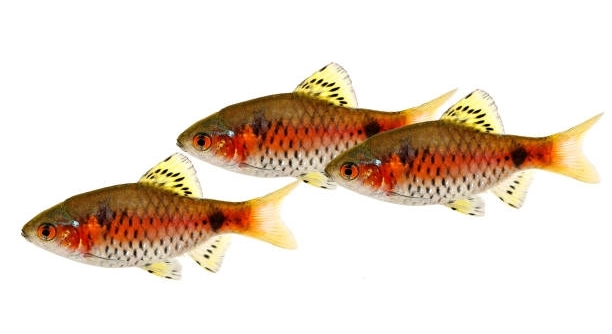
Rosy Barbs are popular freshwater fish known for their bright colors and active nature. Many aquarium enthusiasts enjoy keeping them because they add life and movement to tanks. Proper tank placement is essential for their well-being and display.
Rosy Barbs prefer moderate noise levels and do not thrive in overly loud or chaotic environments. A quiet room with minimal disturbances supports their natural behavior and reduces stress, promoting better health and vibrant coloration in these fish.
Understanding how tank placement affects Rosy Barbs helps ensure a healthy environment. Proper care and positioning can enhance their comfort and make your aquarium a peaceful space for these lively fish.
Understanding Rosy Barbs’ Behavior
Rosy Barbs are naturally active and social fish. They like swimming around in groups and exploring their environment. However, they can become stressed by sudden loud noises or frequent disruptions. Stress can weaken their immune system, making them more prone to illness. A quiet room helps them stay calm and feel secure. It also allows their natural colors to shine more vividly. Placing their tank in a less trafficked area of the home reduces the chances of startling them. Keeping the environment stable supports their natural rhythms and behaviors. This simple step can improve their overall health and lifespan, making the aquarium a pleasant space for both the fish and the owner.
A quiet setting also reduces water agitation caused by vibrations or external noise. This means the tank’s environment remains stable for Rosy Barbs to thrive.
Minimizing stress through careful tank placement is key to maintaining healthy Rosy Barbs. It allows them to display natural behaviors and reduces the risk of disease caused by environmental disturbances. Choosing a calm spot for the tank benefits both the fish and your enjoyment of the aquarium.
Tank Placement Tips for Rosy Barbs
Place the aquarium away from loud appliances and busy rooms to maintain a peaceful atmosphere.
Choosing the right location involves more than avoiding noise. Light exposure plays an important role in the well-being of Rosy Barbs. They prefer moderate lighting rather than intense, direct sunlight which can cause algae growth and temperature fluctuations. Keep the tank away from windows or heating vents. Stable temperatures between 68°F and 78°F support their comfort. Also, avoid placing the tank where vibrations from heavy foot traffic or machinery might disturb the water. Using a sturdy stand reduces movement and noise. Make sure the tank is positioned so you can easily perform maintenance without stressing the fish. Regular water changes and tank cleaning will keep the environment healthy. Overall, the right placement ensures Rosy Barbs remain active, healthy, and visually striking in your home.
Maintaining Water Quality for Rosy Barbs
Water quality is crucial for keeping Rosy Barbs healthy. Regular testing helps track key parameters like pH, ammonia, and nitrate levels. Clean water reduces stress and disease risk.
Consistent water changes remove waste and toxins that build up in the tank. Aim to change 20-30% of the water weekly. Using a good filtration system also keeps the water clear and safe. Avoid overfeeding, as leftover food can pollute the tank quickly. Monitor water temperature to stay within the preferred range of 68°F to 78°F. Stable conditions help Rosy Barbs maintain their energy and color. Keeping the tank environment clean and balanced supports their overall well-being.
Paying attention to water quality reduces illness and extends the life of your fish. It also creates a more pleasant viewing experience, as clear water showcases their bright colors. Proper maintenance is a small effort with big benefits for Rosy Barbs.
Choosing Tank Mates for Rosy Barbs
Select tank mates that share similar size and temperament with Rosy Barbs to avoid aggression or stress.
Compatible fish species include danios, tetras, and peaceful barbs. Avoid slow-moving or long-finned fish that may be nipped. Rosy Barbs enjoy being in groups, so provide at least six to encourage social behavior. Introducing aggressive or overly shy species can disrupt the tank’s balance. Observing fish interactions regularly helps identify and address conflicts early. A well-chosen community promotes harmony and health in the aquarium. Balancing species with similar needs also simplifies feeding and care routines. Thoughtful selection of tank mates improves the quality of life for all fish involved.
Lighting Considerations for Rosy Barbs
Rosy Barbs prefer moderate lighting that mimics natural daylight without being too harsh. Bright or direct light can stress them and encourage algae growth. Soft, even lighting helps them feel secure.
Using a timer to regulate light exposure ensures a consistent day-night cycle. Aim for about 10-12 hours of light daily to support their natural rhythms and maintain plant health in the tank.
Feeding Rosy Barbs
Provide a balanced diet consisting of high-quality flakes, pellets, and occasional live or frozen foods like brine shrimp or bloodworms. Variety supports their health and vibrant color.
Feed small amounts two to three times daily, only what they can consume within minutes. Overfeeding can pollute the tank and cause health issues.
Aquascaping Tips for Rosy Barbs
Include plenty of plants and open swimming areas to mimic their natural habitat. Rosy Barbs appreciate hiding spots and room to swim freely.
Avoid sharp decorations that could injure their fins during active swimming or chasing behavior.
Monitoring Fish Behavior
Regular observation helps detect early signs of stress or illness. Changes in swimming patterns or appetite require prompt attention to prevent bigger problems.
FAQ
Do Rosy Barbs need a lot of space to swim?
Rosy Barbs are active swimmers and do best in tanks with enough room to move freely. A minimum tank size of 30 gallons is recommended for a small group. Providing open swimming areas with some planted sections helps keep them comfortable and less stressed.
Can Rosy Barbs live with other fish?
Yes, they are generally peaceful and can live with other similarly sized and temperament fish. Avoid very small or slow-moving species that may get nipped. Good tank mates include danios, tetras, and other barbs with a calm nature.
How often should I feed Rosy Barbs?
Feed Rosy Barbs two to three times daily in small amounts. Only give what they can finish in a few minutes to avoid leftover food that pollutes the tank. A varied diet of flakes, pellets, and occasional live or frozen foods supports their health and coloration.
What water temperature do Rosy Barbs prefer?
They thrive in temperatures between 68°F and 78°F. Consistent temperature within this range is important for their well-being. Avoid sudden fluctuations as these can stress the fish and increase the risk of disease.
Is it necessary to have a filter in the tank?
Yes, a good filtration system is essential to maintain water quality. It helps remove waste, toxins, and keeps the water oxygenated. Proper filtration reduces maintenance frequency and creates a healthier environment for Rosy Barbs.
How often should water changes be done?
Weekly water changes of 20-30% are recommended to keep the tank clean and free from harmful substances. Regular changes help maintain stable water parameters, which is vital for the fish’s health and stress reduction.
Do Rosy Barbs need specific lighting conditions?
Moderate lighting is best for Rosy Barbs. Avoid intense direct sunlight as it can cause algae growth and stress the fish. Using a timer to maintain a consistent 10-12 hour light cycle mimics natural conditions and benefits both fish and plants.
What are common signs of stress in Rosy Barbs?
Signs include erratic swimming, hiding constantly, loss of appetite, or faded colors. Stress often results from poor water quality, inappropriate tank mates, or sudden changes in environment. Early detection helps prevent illness.
How can I prevent Rosy Barbs from getting sick?
Maintain good water quality, provide a balanced diet, avoid overcrowding, and choose compatible tank mates. Quarantining new fish before introducing them reduces disease risks. Regular tank cleaning and monitoring behavior are important preventative steps.
Can Rosy Barbs breed in a home aquarium?
Yes, they can breed if conditions are right. They prefer a separate breeding tank with fine-leaved plants for egg laying. Spawning usually occurs in warmer water around 75°F. Parents may eat the eggs, so removing adults after spawning is common practice.
Are Rosy Barbs good for beginner fishkeepers?
Rosy Barbs are moderately easy to care for but require stable water conditions and appropriate tank mates. They are a good choice for someone with some basic aquarium experience who can maintain regular tank upkeep.
What should I do if Rosy Barbs become aggressive?
Aggression can happen if the tank is overcrowded or if incompatible fish are present. Increasing the tank size, adding hiding places, or separating aggressive fish may help. Observe carefully and act promptly to avoid injuries.
Can Rosy Barbs live alone?
They are schooling fish and do best in groups of at least six. Keeping a single Rosy Barb can cause stress and lead to unhealthy behaviors. Group living supports their social nature and improves overall health.
What type of substrate is best for Rosy Barbs?
A smooth gravel or sand substrate works well. It is safe for their fins and easy to clean. Avoid sharp or rough substrates that could cause injury during swimming or foraging.
How long do Rosy Barbs typically live?
With proper care, Rosy Barbs can live around 5 to 8 years. Good water quality, a balanced diet, and a stress-free environment contribute to a longer, healthier life.
Rosy Barbs are lively and colorful fish that bring energy to any freshwater aquarium. Their care requires attention to several important factors, including tank placement, water quality, and compatible tank mates. Choosing a quiet spot with moderate lighting helps reduce stress and encourages natural behavior. Ensuring proper water temperature and cleanliness supports their health and vibrant colors. By maintaining these conditions, you create an environment where Rosy Barbs can thrive and display their full beauty.
A well-planned tank setup also includes considering the social nature of Rosy Barbs. These fish do best in groups of six or more, which helps them feel secure and active. Selecting tank mates with similar size and temperament prevents aggression and promotes harmony within the aquarium. Providing plants and open swimming areas balances shelter and freedom, making the habitat both comfortable and engaging for the fish. Regular observation and maintenance are key to catching any problems early, which keeps the fish healthy over time.
Overall, caring for Rosy Barbs involves consistent effort but offers rewarding results. Their vibrant colors and lively movements bring joy to the aquarium environment. By paying attention to quiet tank placement, good water quality, proper feeding, and suitable companions, you set up a healthy home for these fish. This care ensures their well-being and longevity, making Rosy Barbs a valuable and enjoyable addition to your aquarium.

Hello,
If you enjoy the content that we create, please consider saying a "Thank You!" by leaving a tip.
Every little bit helps us continue crafting quality advice that supports the health, happiness, and well-being of pets around the world, for pets of all shapes, sizes, and species.
We really appreciate the kindness and support that you show us!