
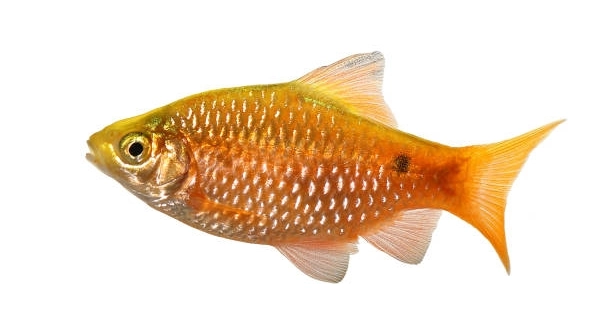
Rosy barbs are popular freshwater fish known for their vibrant colors and lively behavior. Before spawning, they go through several distinct actions that prepare them for breeding. Understanding these behaviors can help aquarium enthusiasts provide the best environment for their fish.
Before spawning, rosy barbs exhibit specific behaviors such as increased activity, chasing, and cleaning the spawning area. Males display brighter colors to attract females, while both genders engage in courtship rituals to ensure successful reproduction.
Recognizing these signs allows hobbyists to support healthy spawning conditions and enjoy observing their rosy barbs’ natural life cycle more closely.
Increased Activity Before Spawning
Before rosy barbs spawn, they often become noticeably more active than usual. This burst of energy includes swimming rapidly around the tank and chasing each other. This behavior helps to stimulate mating readiness and can also serve as a way to establish dominance among males. The increase in movement signals that the fish are preparing for spawning and are responding to environmental cues like temperature changes or water quality improvements. Observing this can help you know when the spawning phase is near, allowing for adjustments in tank conditions if necessary. Sometimes, this activity might seem a bit aggressive, but it is a normal part of their reproductive process.
This increased movement usually lasts several days and marks the beginning of the spawning sequence in rosy barbs.
Providing ample space and a calm environment helps reduce stress during this active period, supporting a better spawning outcome.
Courtship and Display Behavior
Male rosy barbs show brighter colors to attract females. Their vibrant hues are more intense during this time to signal health and readiness to mate. This display plays a key role in courtship, as females tend to choose mates with the most vivid coloration.
Males also engage in chasing and circling females in slow, deliberate movements. This ritual helps stimulate female readiness to lay eggs and encourages pair bonding. It is important to maintain good water quality and stable conditions to support this behavior naturally. Sometimes, males may compete, but this is typical and does not always result in harm if the tank is spacious enough.
Watching these interactions provides insight into the natural breeding behaviors of rosy barbs and helps in creating a successful spawning environment.
Cleaning the Spawning Area
Rosy barbs clean the area where they will spawn by nipping at plants and surfaces. This behavior clears debris and prepares a safe spot for eggs. It helps improve the chances of egg survival by reducing bacteria and fungi in the spawning area.
This cleaning also signals readiness to spawn. Males often lead the cleaning efforts, removing algae or detritus from leaves and rocks. Females may join in, ensuring the area is suitable. A clean spawning site is essential for the eggs to develop properly, and this behavior shows how instinct drives them to prepare carefully.
Providing plenty of live plants or smooth surfaces helps them perform this task naturally. Maintaining good water quality supports the health of both fish and their eggs.
Group Spawning Behavior
Rosy barbs often spawn in groups rather than pairs. Multiple females release eggs while males simultaneously fertilize them, increasing genetic diversity and survival chances. This collective behavior is common in tanks with several fish of breeding age.
Group spawning reduces the pressure on any single pair and helps spread the risk of egg predation. It also encourages more frequent spawning events due to the social stimulation within the group. The environment should be spacious and planted to support this natural behavior and provide hiding spots for eggs.
Understanding group spawning helps in managing breeding tanks more effectively and ensuring that the conditions promote healthy fish interactions. This behavior reflects their instinctual approach to reproduction and survival.
Egg Scattering
Rosy barbs scatter their eggs over plants and substrate instead of building nests. This method spreads eggs widely, reducing the chance that all will be eaten by predators. The scattered eggs settle into crevices where they are better protected.
After scattering, adults usually do not guard the eggs. This natural behavior means it’s important to provide dense plants or spawning mops to give eggs places to hide. This helps improve egg survival despite the lack of parental care.
Increased Appetite Before Spawning
Rosy barbs often eat more before spawning. This increase in appetite fuels the energy they need for reproductive activities. Feeding high-quality food during this time supports their health and readiness.
A balanced diet rich in protein encourages healthy egg development and male vitality, which is essential for successful spawning.
Resting Period After Spawning
After spawning, rosy barbs take time to rest and recover. This pause allows their bodies to regain strength before the next spawning cycle begins.
The resting period varies but is important for maintaining overall health and ensuring continued reproductive success.
FAQ
What conditions do rosy barbs need to spawn successfully?
Rosy barbs require clean, well-oxygenated water with a temperature between 72°F and 78°F to trigger spawning. They also benefit from a slightly acidic to neutral pH, ideally between 6.5 and 7.5. Providing plenty of live plants or spawning mops gives them places to scatter eggs and protects the eggs from being eaten. A stable environment with minimal sudden changes helps reduce stress, which can prevent spawning. Feeding a nutritious diet with high protein content before spawning supports their health and readiness.
How long does the spawning process last in rosy barbs?
The spawning process can take a few hours to a couple of days depending on the group size and tank conditions. During this time, males chase females, and eggs are scattered over plants and substrate. After the eggs are laid and fertilized, adults usually stop caring for them. It is important to remove adults or provide ample hiding spots to protect eggs, as adults may eat them. The eggs typically hatch within 24 to 36 hours, depending on water temperature.
Can rosy barbs spawn in a community tank?
Yes, rosy barbs can spawn in a community tank, but the survival rate of the eggs and fry may be low. Other fish species often eat eggs and young fry. To increase success, consider using a separate breeding tank with similar water conditions and plenty of plants. If using a community tank, provide dense vegetation and hiding places. Keep in mind that frequent spawning in community tanks may stress the fish if conditions aren’t ideal.
How can I tell if my rosy barb is ready to spawn?
Signs that rosy barbs are ready to spawn include increased activity, chasing, and brighter colors in males. Females often develop a fuller belly as eggs mature. You might notice cleaning behavior around plants and substrate where they plan to lay eggs. These behaviors usually begin a few days before actual spawning. Maintaining good water quality and a nutritious diet can encourage these natural signs to appear.
Should I remove adult rosy barbs after spawning?
It is often recommended to remove adults after spawning to protect the eggs from being eaten. Rosy barbs do not show parental care and may consume their own eggs or fry. If removal isn’t possible, provide dense plants or spawning mops to give eggs places to hide. A breeding tank helps increase fry survival by separating adults from eggs immediately after spawning.
What do rosy barb fry eat after hatching?
Rosy barb fry start by eating microscopic foods like infusoria and newly hatched brine shrimp. As they grow, they can eat finely crushed flake foods, powdered fry food, or small live foods such as daphnia. Feeding small amounts frequently supports healthy growth. Clean water is essential during this period to prevent illness and support development.
How often do rosy barbs spawn?
Rosy barbs can spawn multiple times during the warmer months if conditions are right. They usually need a resting period between spawnings that varies depending on health and tank environment. Providing a nutritious diet and maintaining good water quality encourages regular spawning. Over time, this cycle supports population growth but requires careful management to avoid overstocking.
Can I breed rosy barbs without live plants?
While live plants are ideal for egg attachment and hiding places, rosy barbs can spawn without them by using spawning mops or other artificial substitutes. These provide surfaces where eggs can stick and stay protected. Live plants also improve water quality and oxygen levels, benefiting both adults and fry. If live plants are not an option, ensure spawning surfaces are clean and replace spawning mops regularly.
How do I care for eggs and fry to ensure survival?
Keep eggs in clean, well-oxygenated water with stable temperature and pH. Remove adults to prevent egg predation. Once hatched, feed fry appropriate microscopic foods initially, gradually introducing larger foods as they grow. Frequent small feedings and regular water changes help maintain water quality. Avoid sudden changes in tank conditions, which can stress the fry. Providing shelter and gentle filtration supports their safety and development.
What problems might affect rosy barb spawning?
Poor water quality, incorrect temperature, or lack of hiding places can prevent spawning. Stress from overcrowding or aggressive tank mates may also interfere. Disease weakens fish and can stop spawning activity. Feeding inadequate or low-quality food reduces energy and egg production. Monitoring tank conditions regularly and addressing issues early helps maintain a healthy environment for successful spawning.
Final Thoughts
Rosy barbs show many interesting behaviors before they spawn, such as increased activity, courtship displays, and cleaning their spawning area. These natural instincts help them prepare for reproduction and improve the chances of successful breeding. Understanding these behaviors allows aquarists to better support their fish during this important stage. Providing the right environment, including clean water, proper temperature, and plenty of plants or spawning surfaces, plays a key role in encouraging healthy spawning. Watching these behaviors can also make caring for rosy barbs more rewarding.
It is important to remember that rosy barbs do not care for their eggs or fry after spawning, so steps must be taken to protect the young. Removing adults or providing dense plants and hiding places helps improve egg survival. Feeding high-quality food before and during spawning supports the health of both adults and developing fry. Patience is necessary, as the spawning process and fry growth take time. Regular maintenance of the tank and careful monitoring of water conditions are essential to keep the fish healthy and encourage successful breeding.
Spawning rosy barbs offer a fascinating look at fish behavior and biology. While some effort is needed to create ideal conditions, the process itself is straightforward once the basics are understood. With proper care, rosy barbs can reproduce naturally in home aquariums, giving keepers the chance to observe their life cycle up close. Focusing on their natural needs and behaviors helps ensure the well-being of both adult fish and their offspring. This knowledge can enhance the overall experience of keeping rosy barbs and contribute to a thriving aquarium environment.

Hello,
If you enjoy the content that we create, please consider saying a "Thank You!" by leaving a tip.
Every little bit helps us continue crafting quality advice that supports the health, happiness, and well-being of pets around the world, for pets of all shapes, sizes, and species.
We really appreciate the kindness and support that you show us!